Built for the AI Era: Why Questioning, Creativity, and Collaboration Matter More Than Ever
Topics: School Life
Age Range: Preschool
Artificial intelligence (AI) is transforming the way people learn, work, and solve problems. As these technologies become more integrated into daily life, the skills children need to thrive are also evolving. While AI can provide information, generate ideas, and automate tasks, it cannot replace the human abilities that drive innovation, relationships, and meaningful learning. As conversations about AI in early childhood education continue to grow, it is becoming increasingly clear that human-centered skills remain essential. Abilities such as curiosity, creativity, critical thinking, communication, collaboration, and empathy help children adapt to change, solve problems, and connect with others. These skills begin developing in the early years and provide a strong foundation for lifelong learning. This article explores why these qualities matter more than ever in the AI era and how the best early childhood preschools in Lake Worth play a vital role in nurturing them.
The World Children Are Growing Up In
The children of today are growing up in a world that looks very different from the one their parents experienced. Technology is advancing at an incredible pace, and AI is becoming part of everyday life. Children may encounter AI through educational apps, smart speakers, online tools, and many other technologies that help people access information quickly. As AI becomes more capable of answering questions and performing routine tasks, the role of education is also evolving. In the past, success was often associated with memorizing information and recalling facts. While knowledge remains important, today's children will need more than information alone. They will need the ability to think independently, adapt to change, and use what they know in meaningful ways.
The future will likely bring careers, challenges, and opportunities that do not yet exist. Because of this, helping children develop flexible thinking and strong interpersonal skills from an early age is just as important as teaching academic concepts. The goal is not simply to prepare children to use technology, but to help them become thoughtful, capable individuals who can work alongside it. If AI can provide answers in seconds, one of the most valuable skills children can develop is learning how to ask meaningful questions.
Why Asking Questions Matters More Than Having Answers
Children are naturally curious. Anyone who has spent time with a preschooler has likely heard an endless stream of "why," "how," and "what if" questions. Far from being a distraction, these questions are the foundation of learning. When children ask questions, they are actively exploring the world around them. They are making observations, forming ideas, and seeking understanding. Whether they are wondering why plants need water, how birds fly, or what happens when colors mix together, curiosity helps them build knowledge through discovery.
In a world where AI can quickly provide information, the ability to ask thoughtful questions becomes even more important. Technology can generate answers, but it cannot decide what a child should be curious about. It cannot replace the excitement of exploration or the desire to understand how something works. Encouraging children to ask questions helps them become active learners rather than passive receivers of information. It teaches them to investigate, experiment, and think deeply about the world around them. By nurturing curiosity in the early years, parents and educators help children develop a lifelong love of learning that will serve them well throughout their lives.
The Skills AI Cannot Replace
While AI can process information and generate content, it cannot replace the uniquely human qualities that help children connect with others, solve problems, and imagine new possibilities. As technology continues to reshape the way we learn and work, these human-centered abilities are becoming increasingly valuable. In fact, one of the most important goals of AI in early childhood education is not simply introducing children to new technologies, but helping them develop the skills that technology cannot replicate. Many of these abilities begin taking shape through play, exploration, and everyday interactions. Some of the most important include:
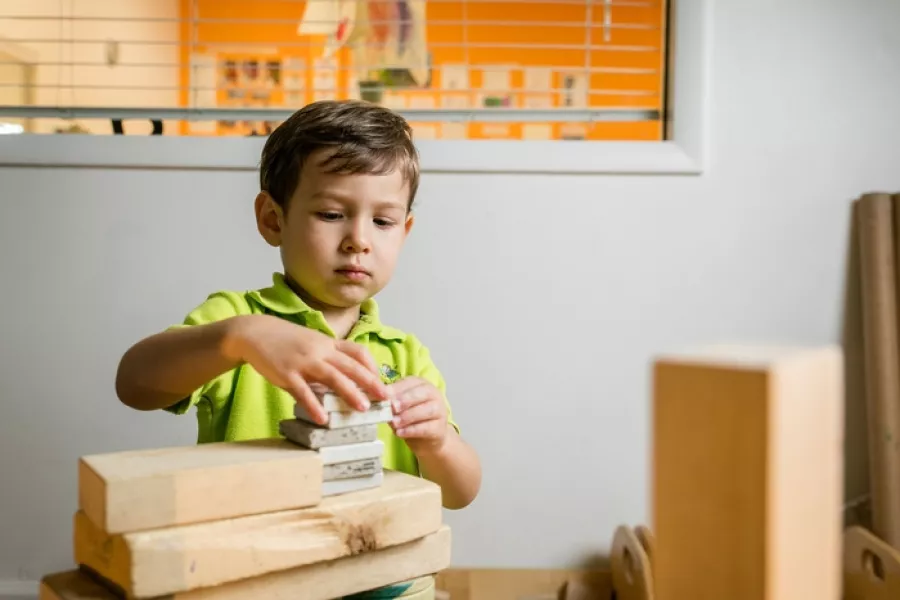
- Creativity: Creativity allows children to imagine, invent, and express their ideas in original ways. Whether they are building with blocks, creating artwork, or engaging in pretend play, children learn to think beyond what already exists. AI can generate content based on patterns, but creativity is rooted in human imagination, experiences, and personal expression.
- Critical Thinking: Critical thinking helps children analyze situations, evaluate information, and make thoughtful decisions. It encourages them to ask questions, consider different perspectives, and think beyond simple answers. As children grow, critical thinking will help them navigate the world and make sense of the information they encounter.
- Problem-Solving: Life is full of challenges, both big and small. Problem-solving helps children learn how to approach obstacles with confidence and persistence. Children develop resilience when they learn that mistakes are opportunities to learn and try again.
- Communication: Strong communication skills help children express their thoughts, feelings, and ideas clearly. They also learn how to listen carefully to others. Effective communication builds confidence, strengthens relationships, and allows children to share their perspectives with the world around them.
- Collaboration: The ability to work with others is an essential life skill. Through group activities, children learn how to share, cooperate, take turns, and contribute to common goals. Collaboration teaches children that different people bring different strengths and ideas, and that working together often leads to better outcomes than working alone.
- Empathy and Emotional Intelligence: Empathy helps children understand and respond to the feelings of others. Emotional intelligence allows them to recognize and manage their own emotions while building positive relationships. These skills support kindness, compassion, and social connection, qualities that are deeply human and cannot be replicated by technology.
No one can predict exactly what the future will look like or how technology will continue to evolve. However, we do know that children will need more than technical knowledge to thrive in an AI-driven world. At our private preschool we help children develop the skills that will remain valuable regardless of how technology changes. These abilities allow children to adapt, build meaningful relationships, and approach new challenges with confidence. As the role of AI in early childhood education continues to expand, it is important to remember that technology is most powerful when it supports, rather than replaces, human development. The goal is not to prepare children to compete with AI, but to strengthen the uniquely human qualities that AI cannot replicate. By nurturing these skills from an early age, we give children a strong foundation for lifelong learning and future success.