Choosing a Preschool For Your Child: A Comprehensive Guide
Topics: School Life
Age Range: Preschool
Your child’s earliest school experiences shape not only their learning but also how they see themselves as learners and friends. Preschool introduces children to structured routines, group dynamics, and a world of discovery outside the home. That’s why choosing a preschool is one of the most important decisions you’ll make during your child’s early years.
But with so many options, philosophies, and questions, the process can feel overwhelming. This guide will walk you step-by-step through how to choose a preschool, what questions to ask, and the things to consider when making your decision, so you can confidently choose a program that fits your family’s values and helps prepare your child for preschool in the best way possible.
Things to Consider When Choosing a Preschool
When comparing preschools, it helps to break your decision down into key factors. Each area contributes to your child’s daily experience and long-term growth. Here’s what to look for when choosing a preschool:
1. Educational Philosophy
Every preschool is guided by an underlying philosophy that shapes how children learn, play, and interact. Understanding these approaches can help you choose a program that fits your child’s personality, your family’s values, and your vision for their future.
Here are the most common preschool philosophies you may encounter:
Reggio Emilia
- Originating in Italy, this approach is child-led and project-based.
- Children explore topics that interest them, with teachers documenting learning through photos, journals, and displays.
- Creativity and expression are emphasized through art, music, and storytelling.
- Parents are considered active partners in learning.
- Great for curious, expressive children who enjoy collaboration.
Montessori
- Emphasizes independence, self-directed exploration, and hands-on materials.
- Classrooms are designed so children can choose their own activities and move at their own pace.
- Mixed-age groups encourage peer learning and leadership.
- Teachers (often called “guides”) act as observers and facilitators rather than direct instructors.
- Best for children who thrive with independence and focus.
Play-Based (Developmental)
- Learning is built into structured and unstructured play.
- Encourages imagination, problem-solving, and social interaction.
- Teachers guide play with subtle prompts to build cognitive, social, and emotional skills.
- Prioritizes joy in learning and natural curiosity.
- Works well for children who learn best in flexible, playful environments.
Academic/Traditional
- Focuses on structured routines and early introduction to literacy, math, and science concepts.
- Daily schedules may include worksheets, circle time, and formal instruction.
- Prepares children for the expectations of kindergarten and beyond.
- Ideal for families seeking early academic readiness.
Language Immersion / Bilingual Preschools
- Children are immersed in a second (or third) language throughout the day.
- Activities, play, and lessons are conducted in the target language.
- Supports strong cognitive development, cultural awareness, and long-term fluency.
- Great for bilingual households or families wanting early multilingual exposure.
Waldorf (Steiner Education)
- Emphasizes creativity, imagination, and holistic growth.
- Focuses on play, storytelling, art, nature, and music, technology is typically avoided in early years.
- Strong sense of rhythm and routine in daily activities.
- Teachers often stay with the same class for multiple years to build deep relationships.
- Best for families who value creativity, nature, and gentle structure.
Bank Street (Progressive Education)
- Rooted in child development theory.
- Learning through experience: field trips, community projects, and hands-on exploration.
- Classrooms are rich in materials for role-play, science, and art.
- Strong focus on social awareness, emotional growth, and democratic values.
- Ideal for families seeking experiential learning and social awareness.
Co-Operative Preschools (Co-Ops)
- Run by parents in partnership with professional educators.
- Parents participate in classroom activities, administration, and community building.
- Encourages strong parent–child bonds and involvement in early education.
- It is often more affordable due to shared responsibilities.
- Best for families seeking a close-knit community and hands-on involvement.
Faith-Based Preschools
- Grounded in specific religious values and traditions (Christian, Jewish, Muslim, etc.).
- Blend academic or play-based learning with spiritual education.
- Offer families consistency between home and school in terms of moral values.
- Ideal for families who want faith and learning intertwined.
Emergent Curriculum
- Curriculum emerges from the children’s interests and observations.
- Teachers adapt and plan activities based on what excites the group at a given time.
- Encourages creativity, flexibility, and collaboration.
- Great for children who thrive on exploration and discovery.
Key Reflection Questions for Parents:
- Does this philosophy fit my child’s temperament? (independent, curious, social, structured, creative)
- Does it align with our family’s values and expectations?
- Will it prepare my child for the next educational step in a way that feels right for us?
2. Teacher Qualifications and Approach
The heart of any preschool is its educators. Look for:
- Credentials in early childhood education or child development.
- Low teacher-to-student ratios (ideally 1:8 or lower for preschoolers).
- Evidence of patience, empathy, and enthusiasm when interacting with children.
- Ongoing professional development and training in early education best practices.
A nurturing teacher who respects children as individuals can make all the difference.
3. The Learning Environment
The physical setting reflects how much a preschool values children’s experiences. Look for:
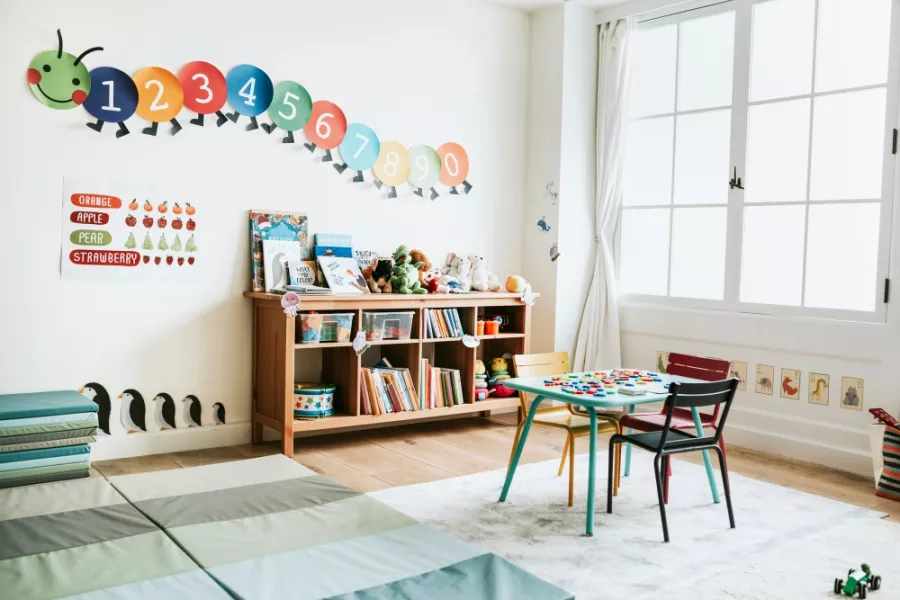
- Bright, organized, and inviting classrooms with natural light.
- Spaces for art, building, dramatic play, and quiet reflection.
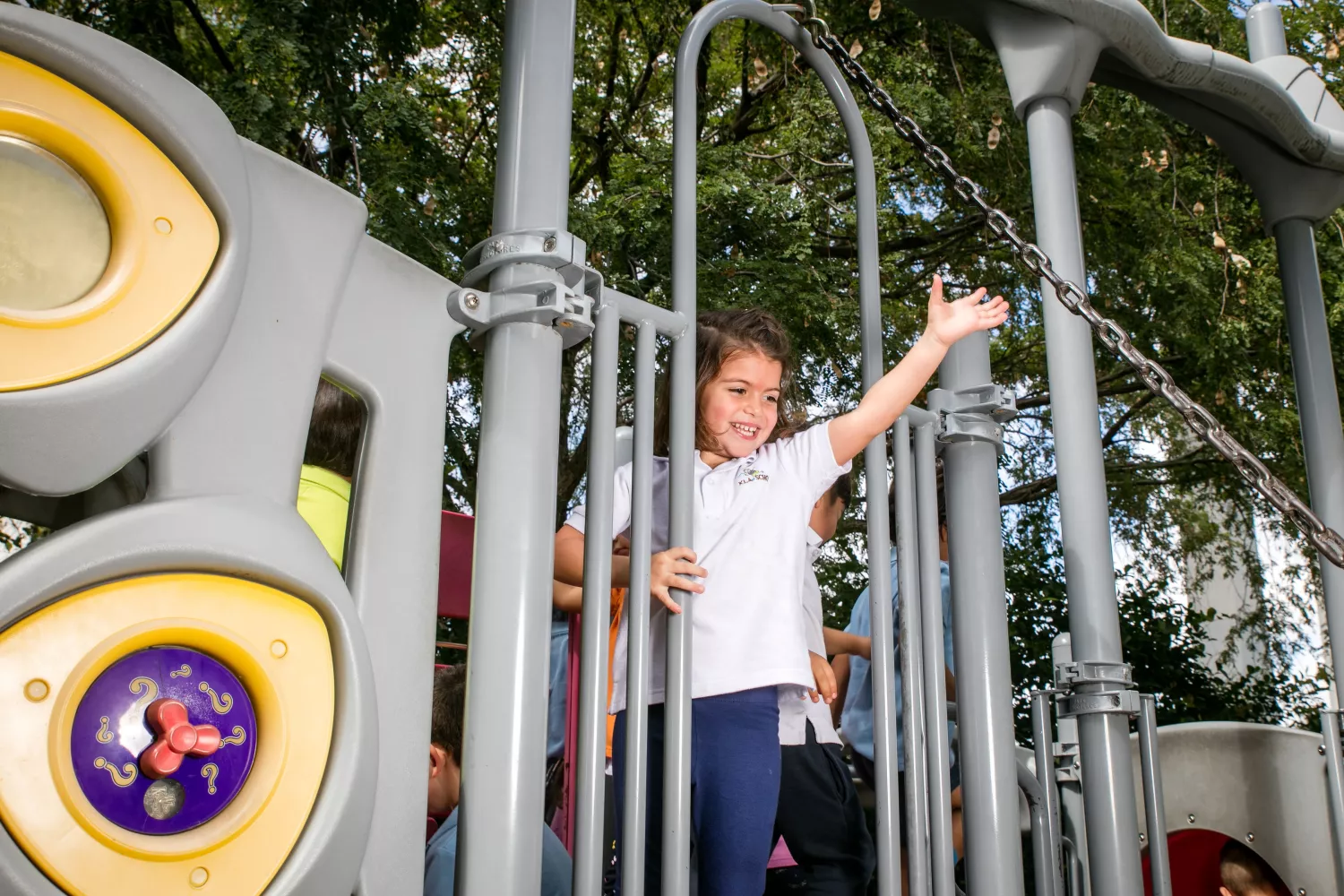
- Safe outdoor play areas that encourage exploration and physical activity.
- Cleanliness, hygiene, and child-safety measures.
- Displays of children’s work, showing their voices and ideas, are celebrated.
A great preschool should feel like a second home: safe, welcoming, and inspiring.
4. Curriculum and Daily Routine
As a parent, choosing the right preschool is one of the most important decisions you will make for your child. While location, facilities, and staff qualifications are all important considerations, the curriculum a school offers is the foundation of your child’s early learning experience. A thoughtfully designed preschool curriculum shapes how children learn, interact, and grow during a critical stage of development, making it a key factor in selecting the right school. Here are some reasons why curriculum matters when searching for preschools:
1. Supporting early childhood development
A well-structured preschool curriculum plays a vital role in supporting early development across multiple areas. During the preschool years, children build the foundational skills that influence their future academic success and overall well-being. A strong curriculum offers age-appropriate learning experiences that promote curiosity while developing essential skills, including communication, problem-solving, and self-regulation.
Through intentional activities and guided play, children are introduced to early literacy and numeracy in ways that feel engaging rather than overwhelming. At the same time, they learn how to follow routines, manage emotions, cooperate with peers, and express themselves confidently. These experiences help children develop independence and resilience, preparing them not only for school but also for everyday social interactions. When a curriculum is carefully designed around children’s developmental needs, it creates a supportive environment where learning feels natural and enjoyable.
2. Reflecting educational values and family goals
Preschool curricula vary widely in their philosophies and approaches, making it essential for parents to understand what a school values and prioritizes. Some programs emphasize child-led exploration and creativity, while others focus more on academic readiness or social development. Reviewing the curriculum that your top choices of preschools offer allows you to choose a school that aligns with your family’s values and educational goals.
When there is consistency between home and school expectations, children benefit from a more stable and supportive learning environment. A curriculum that respects children’s interests and encourages exploration can help encourage confidence and a genuine love of learning. Conversely, families who value structured learning may prefer a curriculum with clear academic objectives. Understanding these differences empowers parents to make informed decisions that support their child’s individual needs and learning style.
3. Teaching quality and learning outcomes
The curriculum also serves as a framework for educators, guiding how learning experiences are planned, delivered, and assessed. A strong curriculum promotes intentional teaching, where teachers observe children closely, respond to their interests, and adapt activities to support deeper learning. Rather than relying on rigid lesson plans, teachers use the curriculum as a guide to create meaningful, responsive experiences.
A clear curriculum ensures that learning objectives are purposeful and that children are supported consistently across all areas of development. It also helps maintain high teaching standards, as educators are able to reflect on children’s progress and adjust their approach accordingly. This results in higher-quality learning experiences and better outcomes for children.
The most effective preschools balance academics with social and emotional growth. Look for:
- Time for free play, structured lessons, and creative projects.
- Daily routines that provide comfort while leaving room for flexibility.
- Social-emotional learning encompasses empathy, cooperation, and conflict resolution.
- Opportunities for music, storytelling, outdoor play, and movement.
At the end of the day, your child should come home not just knowing new facts, but excited, happy, and full of stories.
5. Parent–School Partnership
Trust and collaboration between families and teachers create a strong foundation. Ask how the school:
- Shares updates (apps, newsletters, parent meetings).
- Welcomes families into the classroom or events.
- Supports parents with workshops, resources, or conferences.
A preschool should treat you as a partner in your child’s education, not just an observer.
Questions to Ask When Choosing a Preschool
Brochures, websites, and word-of-mouth can only tell you so much. When you tour a preschool, your questions are your most powerful tool. They help you go beyond first impressions and reveal how the school operates daily.
Here are key areas to focus on, along with sample questions and why they matter:
1. Philosophy and Curriculum
Understanding the school’s philosophy ensures it aligns with your values and your child’s needs.
- What is your educational philosophy, and how does it shape the daily routine?
- How do you balance academics with play, creativity, and social development?
- Can you describe a typical day in the classroom?
Why it matters: A school’s philosophy (Reggio Emilia, Montessori, play-based, traditional, etc.) directly shapes how your child learns and thrives.
Reviewing the curriculum that your top choices of preschools in Lake Worth offer allows you to choose a school that aligns with your family’s values and educational goals.
2. Teachers and Classroom Dynamics
Teachers are the heart of any preschool. Their approach and qualifications shape your child’s experience.
- What training, certifications, or degrees do your teachers hold?
- What is your student-to-teacher ratio?
- How do teachers manage conflict, tantrums, or behavioral challenges?
- How do you encourage positive behavior and social skills?
Why it matters: You want teachers who are not only qualified but also patient, warm, and skilled at nurturing young children.
3. Learning Styles and Inclusion
Children learn in many different ways, and preschools should be flexible and inclusive.
- How do you support children with different learning styles and developmental needs?
- Do you provide support for children with special needs, delays, or advanced abilities?
- How do you celebrate diversity and inclusion in your classrooms?
Why it matters: A strong preschool values individuality and creates an environment where every child feels seen and supported.
4. Communication and Family Involvement
Your relationship with the school should feel like a partnership.
- How do you communicate with parents about daily activities and progress? (newsletters, apps, meetings)
- What role do parents play in the school community?
- Do you host family events, workshops, or volunteer opportunities?
Why it matters: Regular communication builds trust and ensures you’re involved in your child’s growth.
5. Daily Routines and Practical Matters
Day-to-day routines have a significant impact on your child’s comfort.
- How do you handle meals, snacks, and allergies?
- What is the nap or rest-time routine?
- How do you support transitions (drop-off, moving between activities)?
Why it matters: Consistent, thoughtful routines help children feel safe and build independence.
6. Safety, Health, and Policies
Your child’s safety is non-negotiable.
- What are your health and safety protocols?
- How do you handle emergencies, accidents, or illness?
- What security measures are in place for drop-off and pick-up?
- How do you ensure cleanliness and hygiene?
Why it matters: From allergies to playground safety, knowing the school’s policies gives you peace of mind.
7. Growth and Progress
Preschools nurture far more than academics. Ask how progress is measured.
- How do you track children’s development in social, emotional, and academic areas?
- Do you hold regular parent–teacher conferences?
- Can you share an example of how you celebrate a child’s progress beyond academics?
Why it matters: Growth in preschool isn’t just about numbers and letters; it’s about building confidence, resilience, and a love for learning.
Why Visiting Preschools in Person is Crucial
Reading reviews or browsing a website provides background information, but nothing compares to stepping inside the classroom. A visit allows you to see and feel what your child’s daily experience might be like.
When you visit, pay attention to:
1. Teacher–Child Interactions
Are teachers warm, patient, and respectful? Do they kneel to a child’s level, listen attentively, and guide rather than control? Positive relationships are the cornerstone of learning.
2. Children’s Engagement and Emotions
Do the children look happy, curious, and comfortable? Are they busy exploring, creating, and playing? The best classrooms have a natural buzz of energy without chaos.
3. Classroom Atmosphere
Is the environment calm yet active, structured yet flexible? Does it feel like a place where children are encouraged to explore freely while still respecting boundaries?
4. Cleanliness and Safety
Are spaces tidy, organized, and childproofed? Do bathrooms, kitchens, and play areas look clean and safe? Check for visible safety measures like secure doors and labeled allergy protocols.
5. Staff Communication
Notice how the staff communicate with you as a prospective parent. Are they open, welcoming, and transparent? Do they answer questions thoroughly and invite you to observe?
How to Choose a Preschool Checklist
Choosing a preschool is a big decision, but having a clear checklist helps you stay organized and confident throughout the process. Use this guide before, during, and after school visits to keep track of what matters most.
Before Visiting Preschools
Preparation makes your visits more focused and less overwhelming.
☐ Define your goals as a family
– What matters most? (academic preparation, play, creativity, language, social skills, faith, or flexibility) – Think about your child’s personality: independent, social, imaginative, structured, or sensitive.
☐ Research schools in your area
– Look up local options online. – Note which philosophies they follow (Reggio Emilia, Montessori, Play-Based, Academic, etc.).
☐ Read reviews and talk to other parents
– Ask friends, neighbors, or parenting groups for recommendations. – Look for consistent patterns in reviews (positive or negative).
☐ Check practical details in advance
– Hours of operation, location, tuition, and waitlist policies. – Whether they offer part-time or full-day schedules.
☐ Shortlist 3–5 schools to visit
– Choose ones that fit your values, location, and budget.
During Preschool Visits
What you observe in person often tells you more than any brochure or website.
☐ Tour classrooms and outdoor spaces
– Are they bright, safe, and inviting?
– Are there creative corners (art, dramatic play, building, reading)?
– Are outdoor play areas well-maintained and secure?
☐ Observe teacher–child interactions
– Do teachers get down to a child’s level when speaking?
– Are they warm, patient, and respectful?
– Do they encourage exploration rather than just giving directions?
☐ Ask key questions
– What’s your educational philosophy?
– How do you handle conflict or behavior challenges?
– What training and certifications do teachers hold?
– How do you communicate with parents?
– What’s your health, safety, and emergency policy?
☐ Pay attention to classroom dynamics
– Do children look happy, curious, and comfortable?
– Is the atmosphere calm but active, not chaotic or overly rigid?
☐ Check safety and cleanliness
– Are hygiene practices visible (handwashing, sanitizing)?
– Is the facility secure (doors, sign-in/out procedures)?
☐ Gauge the school culture
– Do staff seem welcoming and transparent?
– Are parents encouraged to participate or give feedback?
After Preschool Visits
Once you’ve toured several schools, it’s time to reflect and compare.
☐ Compare philosophies and routines
– Which schools matched your family’s goals and values?
– Did the daily routines seem balanced and engaging?
☐ Evaluate staff qualifications and ratios
– Were class sizes small enough for individual attention?
– Were teachers certified and experienced?
☐ Reflect on communication styles
– Did the school emphasize partnership with parents?
– Did you feel heard and respected during the visit?
☐ Review logistics
– Hours, tuition, schedule flexibility, and location.
– Availability (or length of waiting list).
☐ Trust your instincts
– Did the environment feel safe, warm, and inspiring?
– Could you imagine your child thriving there?
Tip: Create a simple scoring sheet (1–5 scale) for each school on categories like environment, teachers, curriculum, communication, and cost. Comparing side by side can make your decision more straightforward.
Preschool Choices Today, Lifelong Confidence Tomorrow
Selecting a preschool involves more than finding a convenient option; it’s about choosing a place where your child will feel safe, inspired, and valued. The preschool you select will shape how your child approaches learning, friendships, problem-solving, and self-confidence for years to come. By taking the time to research carefully, visit attentively, ask thoughtful questions, and trust your instincts, you’ll be well-prepared to find the environment where your child will flourish.
At KLA Schools, we understand how important these early years are. Our preschool programs, inspired by the Reggio Emilia philosophy, nurture creativity, collaboration, independence, and a genuine love of discovery. Whether you are just beginning your search or actively comparing options for a preschool in Prospect, KY, we invite you to visit KLA Schools and experience how our welcoming, dynamic classrooms empower children to grow academically, socially, and emotionally.