
Choosing the Best Daycare for Your Child
Topics: School Life
Age Range: Preschool
Parents across the country search for dependable childcare that supports both development and family schedules. The process often brings excitement mixed with uncertainty as caregivers compare teaching styles, safety practices, and overall program quality. A thoughtful approach helps families feel confident while they review different options.
Many parents begin their journey by researching local programs, yet choosing the best childcare provider requires a deeper look at the factors that truly shape a child’s daily experience. Tuition, curriculum, communication practices, and classroom structure all influence long-term satisfaction. Families who understand these elements approach center visits with clearer expectations and stronger insight.
Understanding What Quality Daycare Really Means
Parents who review multiple programs notice that each center promotes its own strengths. Some focus on early academics, while others highlight play-based learning or social-emotional development. A high-quality daycare balances these elements through intentional classroom design, trained educators, and predictable routines that help children feel secure.
The best programs offer responsive caregiving, age-appropriate materials, and environments that encourage exploration. Children thrive when teachers support independence, curiosity, and emotional growth. Families benefit when they observe these interactions during tours, seeing how staff members guide problem-solving, communication, and conflict resolution.
Evaluating Curriculum and Learning Philosophy
Every daycare operates with a learning philosophy that shapes its daily activities. Parents who want structure often choose programs that follow early childhood frameworks such as Reggio Emilia, Montessori, HighScope, or creative play-based models. Each approach uniquely supports development.
A Reggio Emilia–inspired center encourages hands-on exploration through open-ended materials. Montessori emphasizes independence and practical life skills. Play-based programs guide children through discovery instead of rigid lessons. Families who understand their child’s temperament and strengths choose a philosophy that feels natural and supportive.
The most effective programs clearly outline their curriculum. They explain how teachers plan activities, track progress, and support individual needs. Parents gain confidence when centers show learning samples, project work, and communication tools that highlight each child’s growth.
Teacher Qualifications and Classroom Ratios That Matter
Children spend significant time with their caregivers, so teachers' experience and training greatly influence the quality of care. Skilled educators understand child development, maintain positive guidance techniques, and create supportive learning environments. Parents benefit when they ask directors about staff credentials, ongoing training, and classroom support.
Ratios also shape daily interactions. Younger children need more individualized attention, so programs maintain smaller groups. Toddlers and preschoolers join larger groups, yet successful programs maintain ratios that allow teachers to build relationships and guide learning effectively. Families should observe how teachers move through the room, offer encouragement, and respond to children’s needs.
Daily Routines and Environmental Factors That Support Growth
A consistent routine gives children comfort and stability. Strong programs balance structured learning with open play, outdoor exploration, rest time, and sensory activities. Parents often review sample schedules to understand how centers create a full day of learning.
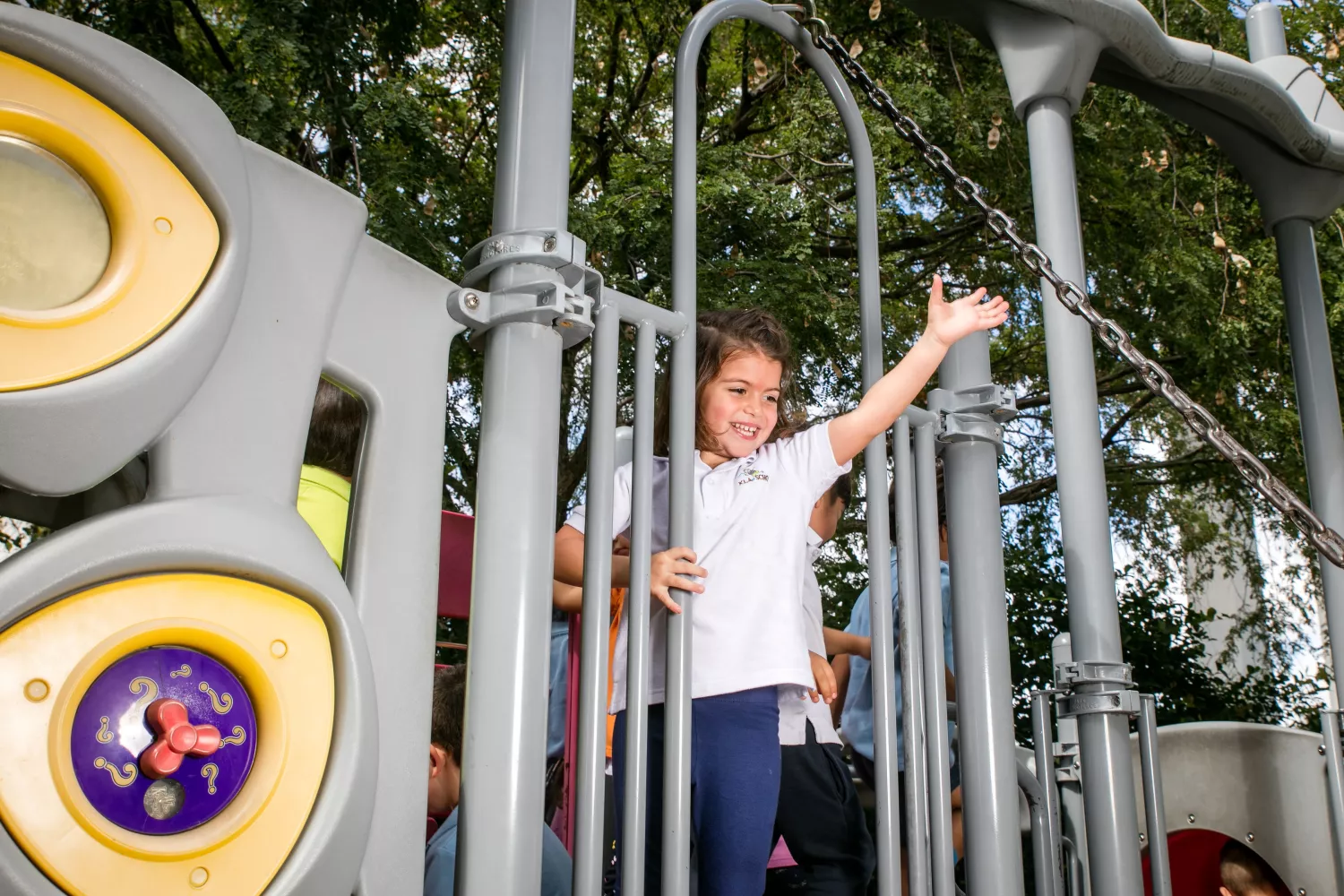
Environmental design plays an important role. Classrooms with natural light, organized learning centers, and safe materials help children focus and explore. Outdoor spaces with shade, varied terrain, and age-appropriate equipment encourage movement and imagination. Cleanliness, safety features, and thoughtful classroom layouts also signal high standards.
Parents should visit classrooms during active times to see how children engage with the environment. Real moments give families clearer insight than brochures or online descriptions.
Communication Practices That Strengthen Family Partnerships
Parents want open communication and transparency from their daycare provider. The best programs share daily updates, developmental observations, and information about classroom events. Teachers who communicate thoughtfully help families build trust and stay connected to their child’s experience.
Centers use different communication methods. Some offer digital apps with photos, notes, and reminders. Others prefer direct conversations at drop-off or pick-up. Families should choose a program that aligns with their preferred communication style and provides consistent updates.
Effective communication includes clear policies. Parents should understand rules about illness, billing, behavior expectations, and safety procedures. A program that openly outlines these policies demonstrates its commitment to accountability and professionalism.
Touring Centers and Asking Impactful Questions
Parents who want accurate insight visit multiple centers in person. Tours allow families to observe interactions, examine classroom environments, and learn about daily routines. Directors who welcome questions help parents feel informed and respected.
Useful questions include:
- How do teachers support emotional development and social skills?
- What learning experiences shape the curriculum?
- How does the center introduce new concepts throughout the year?
- What safety measures protect children indoors and outdoors?
- How do teachers guide conflict resolution in young children?
- How do staff members collaborate and maintain consistency?
Parents should notice how educators greet children, how classrooms sound, and how teachers manage transitions. Authentic observations help families form impressions that guide decisions.
Considering Location, Schedules, and Family Needs
Convenience influences many childcare decisions. Parents often choose centers near home or work to simplify daily routines. Travel time, traffic patterns, and proximity to essential services all affect long-term satisfaction.
Schedule flexibility also matters. Some families need extended care for long shifts or unpredictable work hours. Others prefer part-time enrollment, which provides children with learning opportunities without full-day attendance. Parents should discuss scheduling needs early to confirm availability before committing.
Families also consider cultural values, dietary needs, and individual learning styles. A daycare that respects these elements creates a welcoming and inclusive environment where children feel supported.
Trial Visits and Transition Planning
Children adjust more smoothly when families plan transition periods. Many centers offer short visits before the first day to gradually introduce the environment. These visits help children meet teachers, explore the classroom, and build comfort with new routines.
Parents who prepare their child for the transition create positive expectations. Reading books about daycare, discussing upcoming changes, and establishing consistent morning routines help children feel ready. Teachers who guide transitions with patience and encouragement strengthen the experience.
A Smart Approach Helps Families Choose Confidently
Parents who invest time in research, observations, and thoughtful questions gain confidence during the daycare selection process. When families understand curriculum philosophy, communication practices, safety standards, and classroom design, they choose programs that support both development and family needs. A clear strategy allows parents to make informed decisions that promote growth, security, and long-term well-being.
Your Child’s Early Environment Shapes Their Future Learning Journey
Families who take intentional steps during the daycare search create opportunities for their child’s early success. Parents who trust their instincts, review multiple options, and focus on environments that nurture curiosity and emotional growth find programs that truly fit their child’s needs. This careful approach sets the stage for a positive, supportive, and inspiring start to early learning.
How KLA Schools Shape a Child’s Early Learning Experience
Parents who explore KLA Schools often want a program that blends childcare with a meaningful early education experience. KLA Schools uses a Reggio Emilia–inspired approach that encourages children to think independently, solve problems, and express ideas through creative exploration. Teachers intentionally design learning spaces that use natural materials, open-ended tools, and child-led projects to foster curiosity and confidence. These environments support social development as children collaborate, share responsibilities, and build friendships through guided play and group discovery.
Families who consider KLA Schools often schedule a tour to understand how the program’s learning philosophy aligns with their child’s needs. Each campus creates its own community atmosphere, so parents gain helpful insights by observing classroom routines, talking with educators, and reviewing communication practices. Tuition varies by location, so direct contact with the nearest campus helps families gather accurate information on pricing, available programs, and enrollment steps. This hands-on approach gives parents the clarity they need to compare KLA Schools with other childcare options in their area.