How Summer Camp Helps Children Transition Smoothly Into the Next School Year
Topics: School Life
Age Range: Preschool
For toddlers, preschoolers, and young children in early childhood education programs, the transition into a new school year often comes with new routines, new teachers, and new classroom expectations. Summer camp can help make that transition feel more familiar and comfortable by keeping children engaged in structured activities, social interaction, and play-based learning throughout the summer months. Rather than replicating school, summer camp school readiness provides children with opportunities to continue developing important emotional, social, and behavioral skills in a fun and supportive environment. In this article we explain all about it.
1. Camp Helps Young Children Adjust to Daily Routines
One of the biggest adjustments young children experience when returning to school is adapting to structured schedules again. During the school year, children are expected to transition between activities, follow routines, listen to instructions, and participate in group settings throughout the day. After a summer filled with less structure, returning to those expectations can sometimes feel overwhelming.
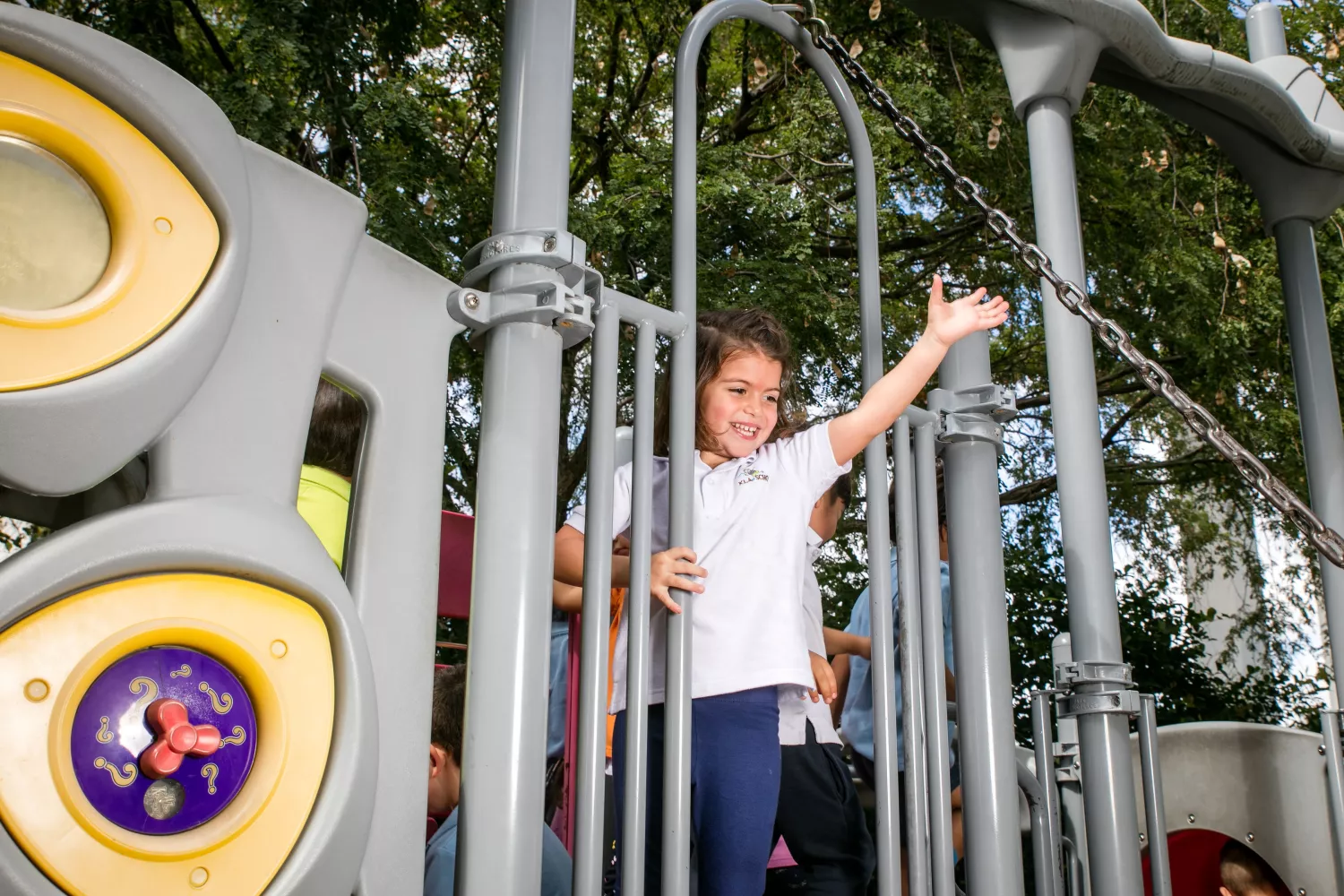
Summer camp helps children remain comfortable with routines in a fun, gentle, and age-appropriate way. Camp days often include scheduled activities, group play, snack times, creative projects, outdoor exploration, and rest periods. These routines help children practice moving through a structured day without the pressure of a formal classroom environment.
Because children continue experiencing consistency and routine during the summer, the transition back into the school year often feels smoother and more familiar.
2. Camp Helps Keep Young Minds Active
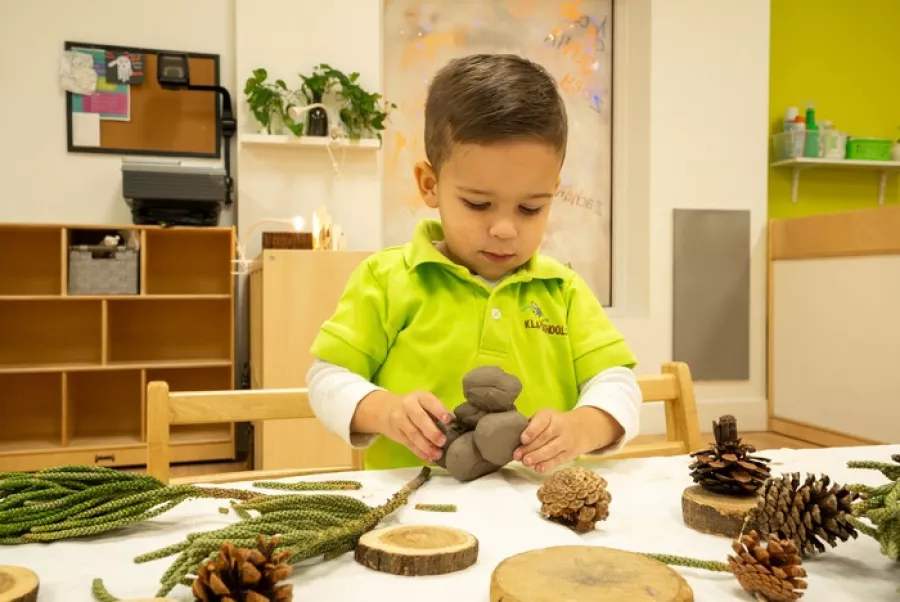
For young children, learning happens through consistent hands-on experiences. During the summer months, long breaks from activities such as drawing, coloring, storytelling, puzzles, sensory play, and early writing practice can sometimes make the transition back into the classroom feel more difficult. In fact, many teachers notice that after an extended break, some children initially struggle with tasks they had previously become comfortable with, such as writing their name, using scissors, holding a pencil correctly, or staying focused during group activities. This is especially common in early childhood because fine motor and early learning skills are still actively developing and benefit from regular practice.
This is one reason why conversations around summer camp school readiness often focus on maintaining engagement through play-based learning and daily interaction. Art projects, music, movement games, and hands-on exploration all help children remain engaged while continuing to strengthen coordination, attention, communication, and problem-solving skills. While summer camp is not intended to replace school or formal instruction, it can provide children with opportunities to continue practicing important developmental skills in a fun and age-appropriate environment.
At the same time, summer camp can help create balance during months when screen time often increases. While screen use is a normal part of modern childhood, camp environments provide children with more opportunities for movement, creativity, social interaction, and active participation throughout the day. Rather than replacing summer fun, these experiences help children stay mentally and physically engaged in ways that can make the transition back into early childhood classrooms feel more natural and familiar.
3. Camp Helps Children Become More Comfortable with Change
One of the less visible challenges children experience before a new school year is adapting to change. Even children who previously attended preschool or daycare may feel uncertain about new teachers, different classmates, unfamiliar classrooms, or updated routines.
Summer camp introduces children to new experiences in a lower-pressure environment. Throughout camp, children meet different instructors, participate in new activities, try new routines, and interact with children outside of their usual classroom groups. These experiences help children practice flexibility and adaptability in ways that feel natural and supportive. Over time, children become more comfortable navigating small changes independently. This can help reduce anxiety when the new school year begins because children are already familiar with adjusting to new people, spaces, and daily expectations.
While every child experiences summer differently, structured programs can help make the transition into a new school year feel smoother, more familiar, and less overwhelming. Through play-based activities, social interaction, creative exploration, and consistent routines, summer camp school readiness supports children in staying engaged and confident during the summer months. Most importantly, it allows children to continue learning, growing, and building independence in a fun and supportive environment designed specifically for early childhood development.
If you’re searching for trusted childcare in Lakewood Ranch, KLA Schools of Lakewood Ranch offers a safe, engaging environment where children learn, explore, and thrive every day. Conveniently located for families in Lakewood Ranch and the surrounding communities, we would love to meet you and show you what makes our school unique.