
How to Choose the Best After-School Care
Topics: Child Development
Age Range: Elementary
Families search for programs that enrich children academically, socially, and emotionally after the school day ends. Many parents feel pressed for time, so they want dependable guidance that simplifies this critical decision. Understanding what children truly need during these afternoon hours can help you sort through the many options and make a confident choice.
Parents often feel unsure about choosing the best after-school care because programs vary widely in quality, approach, and structure. Some focus on homework support, others build creativity through open-ended projects, and many blend several teaching philosophies. You can find an intense match when you evaluate the details with intention and clarity.
Understanding Your Child’s Individual Needs Before You Compare Programs
Children thrive when adults tailor an environment to their temperament, interests, and developmental stage. Start your search with a clear picture of what helps your child feel engaged and supported. A child who craves movement may need plenty of physical activity. Another who prefers small group projects may feel drawn to centers that organize art, science, or design challenges.
Parents who identify these preferences early often make the process easier. Create a short list of must-haves. Consider emotional safety, opportunities for creativity, structure, homework guidance, nutritional support, and social dynamics. Each child benefits from something a little different, so focus on alignment instead of the flashiest marketing.
Investigating Program Structure, Daily Rhythm, and Learning Approach
Reliable after-school care offers more than supervision. It provides meaningful experiences that expand children’s thinking while also giving them space to relax after a full school day. Analyze how each center organizes transitions, snack time, learning blocks, and open play. This rhythm shapes how children feel throughout the afternoon.
Programs that balance autonomy and guidance often nurture curiosity. You might see children building with loose parts, reading independently, participating in group activities, or exploring nature. Ask program leaders about their teaching philosophy. Some centers take inspiration from inquiry-based learning. Others focus on structured academic reinforcement. You can recognize a high-quality environment when children take ownership of their education and educators intentionally facilitate skill development.
Observing the Learning Environment and Classroom Atmosphere
A warm, inviting atmosphere signals a center that values children’s well-being. Walls displaying student work foster pride. Well-organized materials allow children to explore topics independently. Natural light, accessible shelves, and defined learning areas help children move freely and confidently.
Visit during active hours when possible. Watch how educators interact with children. Notice whether children collaborate respectfully and solve problems with support. Look for calm transitions, positive communication, and clear expectations. You gain valuable insight when observing fundamental interactions, as they reveal the program’s authentic culture.
Evaluating Safety Protocols, Staff Training, and Ratios
Safety remains a non-negotiable priority for any family. Ask about arrival and dismissal procedures, sign-in systems, emergency drills, and first-aid training. A strong program explains these policies transparently.
Staff training also matters. Children need knowledgeable educators who understand child development, conflict resolution, and effective communication. Inquire about staff credentials, ongoing professional development, and experience levels. Ratios influence interaction quality, so clarify how many children each educator supervises. Low ratios allow educators to respond quickly, guide children thoughtfully, and build stronger relationships.
Considering Homework Support and Academic Reinforcement
Some families need structured academic time in the afternoons. Others want more open-ended exploration. Think about your child’s school workload and temperament. A child who struggles with focus may need quiet space and clear guidance. Another who races through assignments may prefer project-based activities instead.
Ask centers how they manage homework. Do they offer dedicated supervision? Do educators provide explanations, or do they only monitor completion? Children benefit when homework time feels calm and productive rather than rushed or stressful. Programs that support time management and organization help children build lifelong study skills.
Analyzing Social Dynamics and Peer Group Compatibility
Peers shape children’s after-school experience more than anything else. Positive friendships create a sense of belonging and boost confidence. Observe how children in the program interact with one another. You might notice collaborative building, shared storytelling, outdoor games, or small group discussions.
Ask staff how they help new children integrate socially. You want an environment that encourages inclusivity and teaches communication strategies. A program that responds quickly to conflicts and guides children through problem-solving fosters emotional growth and self-awareness.
Examining Enrichment Activities That Expand Curiosity
Many programs offer enrichment opportunities that allow children to explore new interests. You might see activities related to music, language, gardening, culinary exploration, robotics, drama, or cultural studies. These experiences spark creativity and help children discover personal strengths.
Parents should check whether enrichment varies daily or weekly, how long sessions last, and whether children can choose experiences independently. Choice matters because children feel more motivated when they decide what interests them the most.
Assessing Nutrition and Physical Activity
Children need proper nourishment and movement after a long day at school. Healthy snacks support focus, energy, and satisfaction. Ask about food quality, ingredient transparency, allergy accommodations, and water availability.
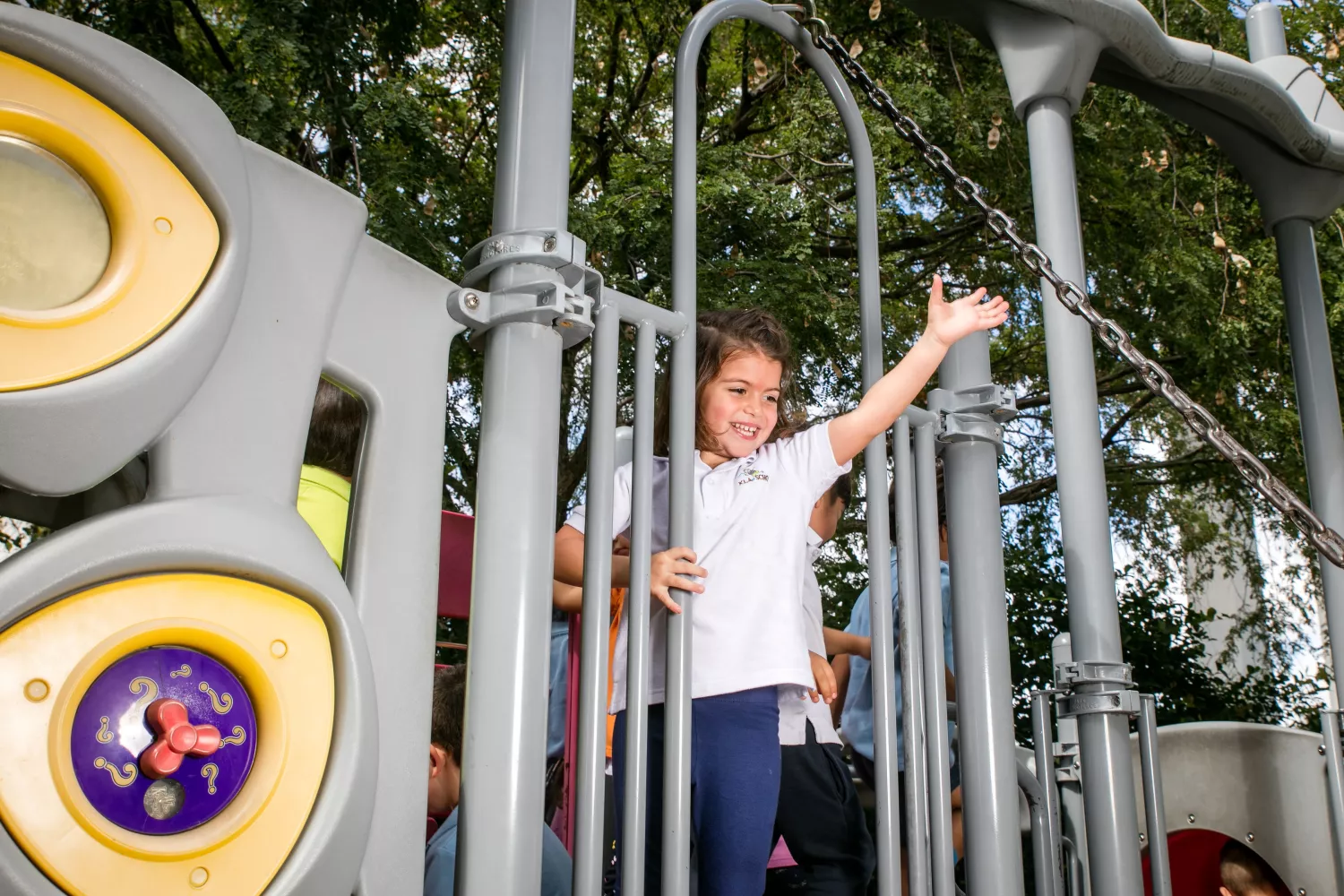
Physical activity also plays a crucial role in after-school wellbeing. Children require opportunities to run, climb, stretch, and explore outdoor environments. Look for programs that incorporate playground time, organized games, or movement-based indoor activities. These experiences improve coordination, reduce stress, and help children develop healthy habits.
Clarifying Communication Practices and Family Engagement
Effective communication promotes trust. Parents feel confident when educators share updates about progress, challenges, and highlights. Ask whether the program uses apps, emails, or in-person conversations for daily communication. Check how often families receive updates and what type of information they include.
Family engagement also enhances the learning environment. Programs that invite parents to observe special events, join workshops, or participate in community projects create stronger relationships. These connections help families understand the program’s values and see how children grow.
Reviewing Logistics, Scheduling, and Transportation
Families should consider practical details that affect weekly routines. Start and end times can determine whether a program aligns with your work schedule. Some centers provide transportation from local schools, while others require family pickup. Clarify these policies early so you avoid unexpected challenges.
Fee structures also vary, so ask for detailed information. Some programs charge flat monthly rates. Others offer flexible schedules, drop-in options, or enrichment add-ons. Understanding these details helps you plan confidently.
Asking the Right Questions During Your Visit
Prepare targeted questions before you tour a program. Ask about discipline strategies, diversity in curriculum, staff longevity, child-led projects, conflict resolution, and family involvement. You learn the most when you ask open-ended questions that prompt educators to describe their approach in detail.
Trust your instincts as well. If the environment feels warm, calm, and intellectually stimulating, your child may thrive there. If something feels inconsistent or unclear, continue exploring other options.
Why Thoughtful Evaluation Leads to a Strong Decision
Families want a program that nurtures independence, creativity, and emotional resilience. When you explore programs thoroughly, you learn what sets each one apart. You also discover how children engage with the environment and how educators support growth. Your careful approach empowers you to find a setting that fits your child’s personality and needs.
A Confident Path Toward the Right Choice
Selecting after-school care can feel overwhelming, but a structured evaluation process gives you clarity. Focus on your child’s strengths, observe quality indicators, ask in-depth questions, and trust your observations. When you take these steps, choosing the best after-school care transforms from a stressful task into a purposeful decision that supports your child’s development.
KLA Schools After-School Care Designed for Your Family's Needs
KLA Schools offers an after-school program that provides children with structure, encouragement, and meaningful growth opportunities. Children enter an environment that promotes confidence, curiosity, and healthy habits after a long school day. The routine supports academic focus, creative expression, and social development while giving families reassurance through consistent communication and clear expectations.
Parents appreciate the program because it blends homework guidance, active play, and enrichment in a thoughtful afternoon schedule. Children enjoy time with friends, explore new interests, and relax in a setting that values safety, well-being, and personal discovery.
What Sets KLA Schools' After-School Care Apart:
• Homework support that strengthens focus and study skills
• Creative enrichment through arts, music, and hands-on activities
• Physical wellness opportunities with sports, yoga, and outdoor play
• Nutritious snacks and time to unwind socially
• Safe transportation at select locations with trained staff (at select locations)
• A caring community that encourages friendships and confidence
Visit our KLA Schools locations to meet our team and explore the after-school experience firsthand.