How to Help Preschoolers Prepare for Kindergarten
Topics: Child Development
Age Range: Preschool
The move from preschool to kindergarten is one of the most significant milestones in a young child’s early years. It marks the beginning of a new chapter filled with discovery, independence, and social growth. However, this transition can also bring uncertainty and big emotions for both children and parents.
At KLA Schools, we recognize that parent involvement plays a crucial role in helping preschoolers develop confidence and feel ready for kindergarten. Whether your child is eager to begin or feeling nervous about the change, you can help them start on a positive note. Here are several research-backed and classroom-tested strategies that help families make the transition from preschool to kindergarten a smooth and joyful experience.
Set Realistic Expectations for Kindergarten
Kindergarten often feels like a big leap from preschool. Parents may focus on the excitement of new experiences, meeting teachers, making friends, or learning to read, but for children, these changes can feel overwhelming. The key to supporting them is setting realistic expectations about what kindergarten will be like.
Discuss openly the changes they can expect, including a longer day, new routines, and new classmates. Keep the conversation positive but honest. For instance, you might say, “You’ll have a new teacher and classroom, and sometimes you’ll work with more kids at once. But you’ll also get to play, make new friends, and learn new things.”
Encourage two-way conversations using open-ended questions such as, “What do you think kindergarten will be like?” or “What makes you most excited about school?” Listen carefully to their answers, and if they share fears, acknowledge them. For example, “It’s okay to feel nervous about a new teacher. I felt that way when I started school, too.”
Empathy helps children feel seen and supported. When you discuss feelings and strategies for handling them, such as taking deep breaths, talking to the teacher, or asking for help, you’re giving your child practical emotional tools that they’ll use throughout their school years.
Finally, consider reaching out to your child’s new teacher before school begins. Kindergarten teachers are experts in supporting the early childhood development and adjustment of children. They can offer guidance on which skills to practice at home and how to ease the transition during the first few weeks.
Start the Kindergarten Routine Early
Predictability helps children feel secure. One of the best ways to prepare your preschooler for kindergarten is to begin practicing their new routine a week or two before school starts.
Establish a consistent bedtime and morning routine that aligns with the kindergarten day. Have breakfast together at the same time each morning, get dressed, pack a backpack, and even take a short walk or drive as if you were heading to school. Visit the new school playground so your child becomes familiar with the environment.
You can also rehearse parts of the school day through play. Pretend to be the teacher while your child acts as the student, or vice versa. Include activities like circle time, story time, or packing up at the end of the day. This role-play helps your child understand what to expect and builds confidence in following instructions and making transitions.
The more familiar the routine feels, the easier the real first day will be.
Get Your Child Involved in the Preparation
Children feel more confident when they have a sense of control over their environment. Inviting your preschooler to participate in the preparations for kindergarten can transform nervous anticipation into excitement.
Here are some simple ways to include them:
- Go school supply shopping together, letting them choose notebooks, crayons, or folders.
- Allow them to pick out their own backpack and lunchbox.
- Practice packing their backpack and organizing supplies at home.
- Let them choose a special outfit for the first day.
- Read books together about starting school, such as "The Kissing Hand" by Audrey Penn or "Miss Bindergarten Gets Ready for Kindergarten" by Joseph Slate.
These activities make the process tangible and fun. They also give your child a sense of independence and pride, two qualities that help children thrive in a new environment.
Practice Key Social and Self-Help Skills
Academic readiness is essential, but social and self-help skills often matter even more in the first weeks of kindergarten. Teachers appreciate when children can express their needs, take turns, and follow directions independently.
Before school begins, practice:
- Asking for help politely (“Can you help me, please?”)
- Using the bathroom independently and washing hands properly
- Cleaning up after activities
- Taking turns during play
- Introducing themselves to new friends
- Recognizing and managing emotions (“I feel sad,” “I feel excited”)
You can strengthen these skills through daily routines. Encourage them to pack their own snacks, put away toys, or greet people during errands. These small responsibilities help children gain confidence in managing daily expectations at school.
Be Patient with Separation Anxiety
Even if your preschooler was comfortable at drop-off before, a new environment can trigger fresh waves of separation anxiety. It’s entirely normal for children to cling to parents or show tears during the first few days or even weeks of kindergarten.
The best way to help is through consistency and reassurance. Develop a short, predictable goodbye routine. For example, a hug, a special phrase like “Have a great day, I’ll see you after snack time,” and a smile. Keep the goodbye brief and positive.
If your child has a tough morning, stay calm and reassuring. Avoid sneaking away without saying goodbye, as this can increase anxiety. Most children calm down shortly after their parents leave, especially when teachers step in with engaging activities.
At home, talk about the day in a balanced way. Ask what they enjoyed most, what felt tricky, and how they solved problems. Reinforce their coping skills by saying, “I’m proud of how you tried something new today.” Over time, consistency builds trust and security.
Encourage a Love of Learning
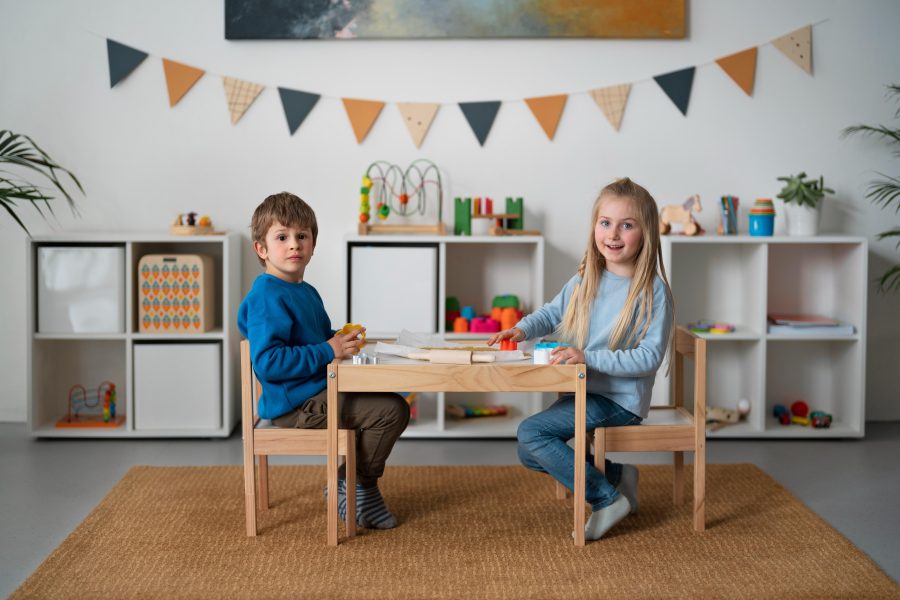
Kindergarten readiness isn’t only about academic skills; it’s about developing curiosity, persistence, and problem-solving. You can foster these traits at home through play-based activities and conversations.
Read with your child daily, asking questions like, “What do you think will happen next?” or “Why do you think that character feels sad?” Reading aloud builds vocabulary, comprehension, and focus, essential skills for kindergarten success.
You can also explore early math and science through play. Count toys, sort household items by color or shape, plant seeds, or cook together while talking about measurements. Encourage your child to ask questions and make predictions. These activities promote cognitive growth in a natural, engaging way.
Stay Connected with Teachers and Your Child
Once kindergarten begins, communication remains key. Check in regularly with your child’s teacher to understand their progress and any challenges they may be facing. Teachers appreciate parents who take an active interest and collaborate to support the child’s development.
At home, make time each day to discuss school. Ask specific questions like, “Who did you play with today?” or “What was your favorite part of circle time?” These conversations build emotional connection and help you identify any concerns early.
Your calm, consistent presence tells your child that school is a safe and exciting part of life.
Supporting Growth Beyond the First Day
The transition from preschool to kindergarten is more than one milestone; it’s the beginning of your child’s journey as a lifelong learner. The emotional and social foundation you build now will help them handle future challenges with resilience and curiosity.
Remember that every child develops at their own pace. Some may adjust quickly, while others need more time. What matters most is that your child feels supported, loved, and capable. With your involvement and encouragement, they’ll step into kindergarten ready to explore, learn, and grow with confidence.
Contact us today to schedule a tour or learn more about our kindergarten programs. We look forward to welcoming your family to KLA Schools, where curiosity, creativity, and community guide every child’s learning journey.