Learning Beyond School: 3 Ways to Support Child Development
Topics: School Life
Age Range: Preschool
Learning doesn’t stop when children leave the classroom or daycare, it continues at home through everyday interactions, routines, and play. For preschool-aged children, these moments are especially important because repetition and consistency help strengthen the skills they are developing at school. The good news is that supporting your child's learning doesn’t require complicated activities or extra pressure. Simple, intentional preschool activities at home can make a big difference in a child’s growth and confidence.
Here are three easy and effective ways parents can support child development.
1. Encourage Creativity Through Coloring and Hands-On Activities
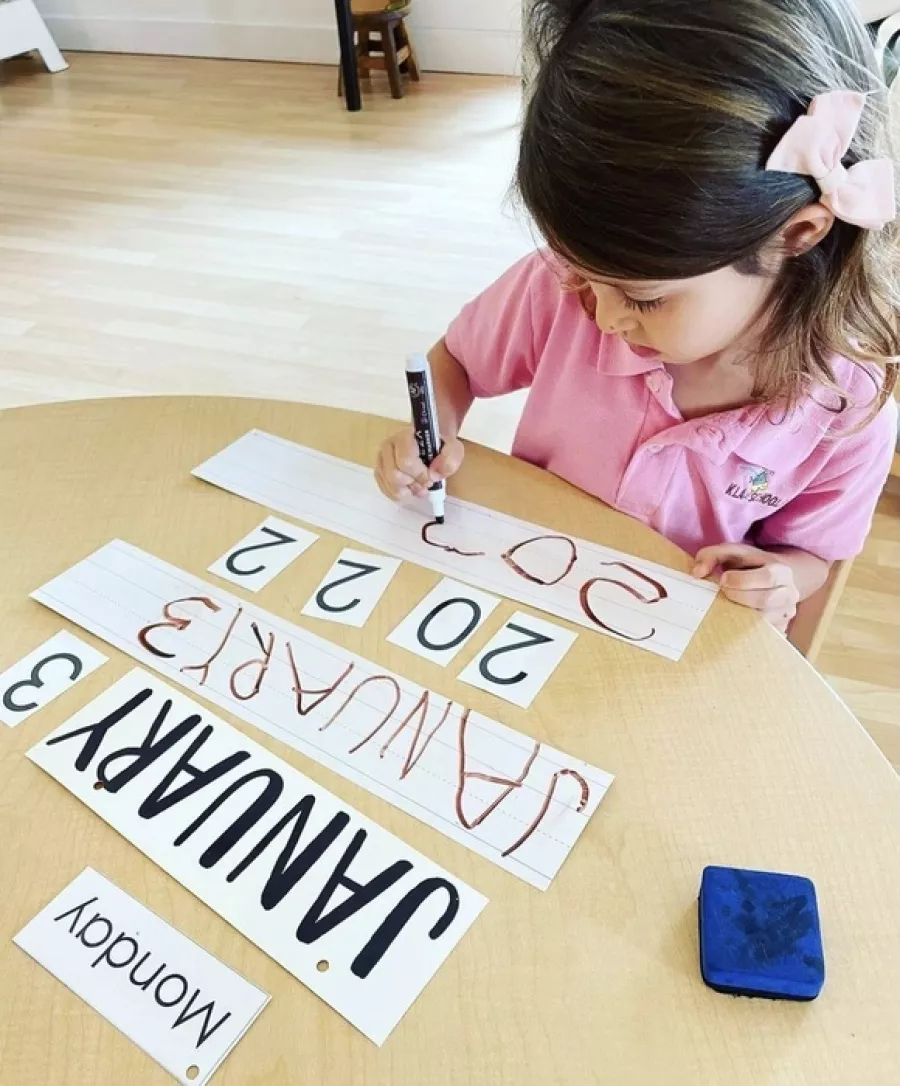
Creative activities like coloring, drawing, and crafting are more than just fun, they also play a key role in early development. These activities help children improve fine motor skills, hand-eye coordination, and focus, all of which are essential for writing and other academic tasks.
At home, parents can set up simple activities such as coloring pages, painting with watercolors, or using crayons and markers. Even playing with playdough or cutting paper with child-safe scissors can strengthen small muscles in the hands and fingers. To make these moments more meaningful, try connecting them to what your child is learning at school. For example, if they are learning about shapes or animals, encourage them to draw or color those same concepts at home. The goal is not perfection, but exploration. When children are given the freedom to create, they build confidence and develop important problem-solving skills.
2. Build Language Skills Through Everyday Conversations and Reading
Language development is one of the most important areas of growth in early childhood. The more children are exposed to words, conversations, and storytelling, the stronger their communication skills become. Whether your child is at home or attending school, one of the easiest ways to reinforce this is by talking with them throughout the day. Describe what you are doing, ask open-ended questions, and encourage them to express their thoughts.
Reading together is another powerful tool. Even just 10–15 minutes a day can make a big difference. Choose age-appropriate books with colorful illustrations and engaging stories. As you read, pause to ask questions, point to pictures, and let your child predict what might happen next. Singing songs, reciting rhymes, and playing simple word games are also great ways to make language learning fun and interactive. This is one of the most simple yet enriching preschool activities at home to support their development.
3. Turn Daily Routines Into Learning Opportunities
Some of the best learning moments happen during everyday routines. Activities like getting dressed, preparing meals, or cleaning up can become valuable opportunities to practice important skills. For example, while cooking, you can introduce basic math concepts by counting ingredients or talking about sizes and measurements. While cleaning up toys, you can practice sorting by color, shape, or category.
You can also reinforce concepts like following directions and completing tasks. Giving your child small responsibilities, builds confidence and a sense of accomplishment. It's important to note these moments don’t need to feel like “lessons.” When learning is naturally integrated into daily life, children are more engaged and likely to retain what they’ve learned.
Reinforcing learning doesn’t have to be time-consuming or complicated. Through creative preschool activities at home, meaningful conversations, and everyday routines, parents can support and extend what children are learning at their preschool. By making learning a natural and enjoyable part of daily life, children continue to build the skills, confidence, and curiosity they need to thrive both in and out of the classroom.