Learning to Fall, Try Again, and Keep Going: The Importance of Sports in Early Childhood
Topics: School Life
Age Range: Preschool
Research in early childhood development consistently shows that movement plays a critical role in children's overall growth. In fact, one of the most powerful tools for helping young children grow into confident, resilient learners may be found outside the classroom. For children in their earliest years, sports are about much more than physical activity. They provide opportunities to develop coordination, confidence, perseverance, social skills, and emotional resilience in early childhood. A quality early childhood program recognizes this connection and incorporates sports and physical education as an essential part of a child's learning experience. Keep reading to discover why.
Why Sports Matter Even Before Kindergarten
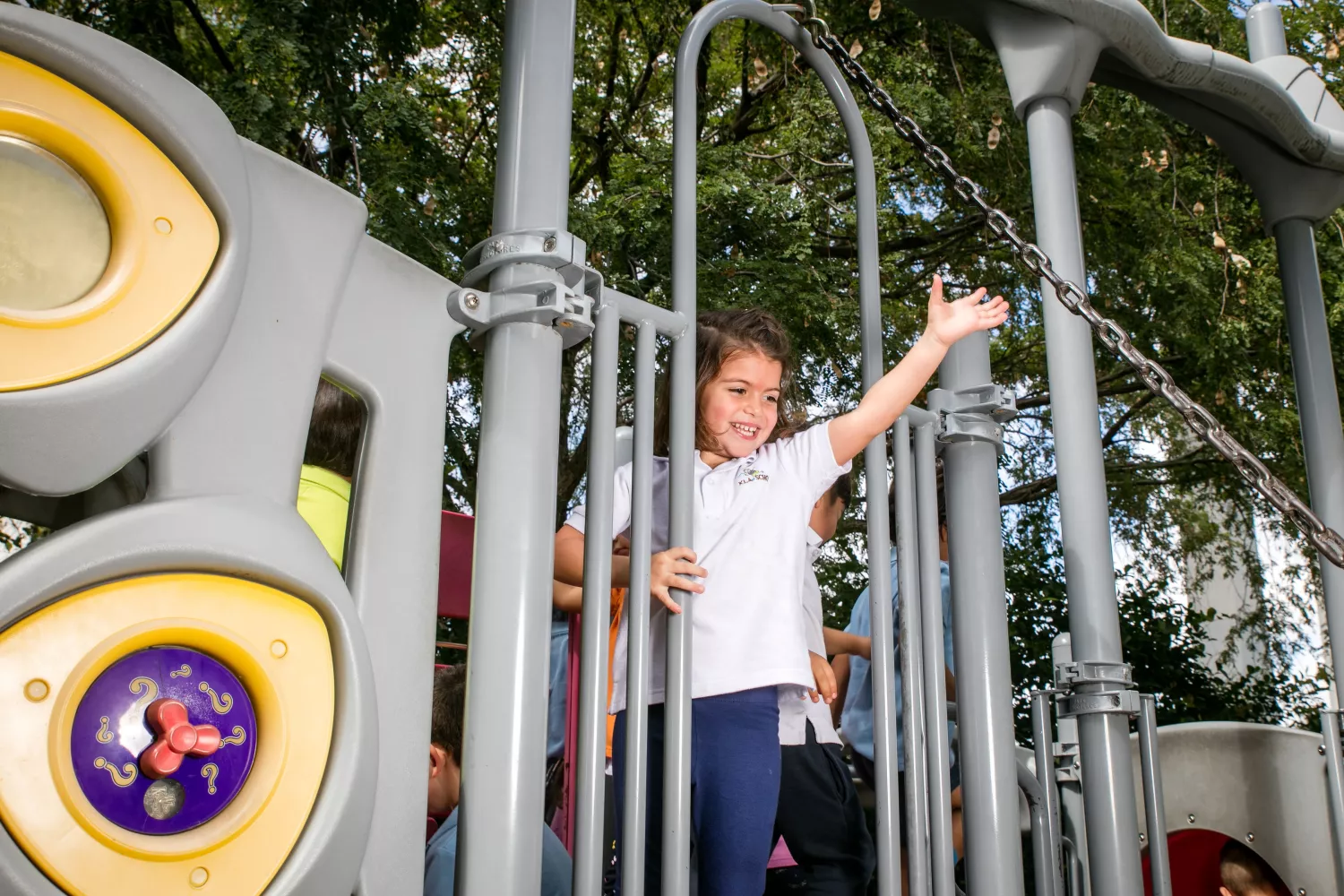
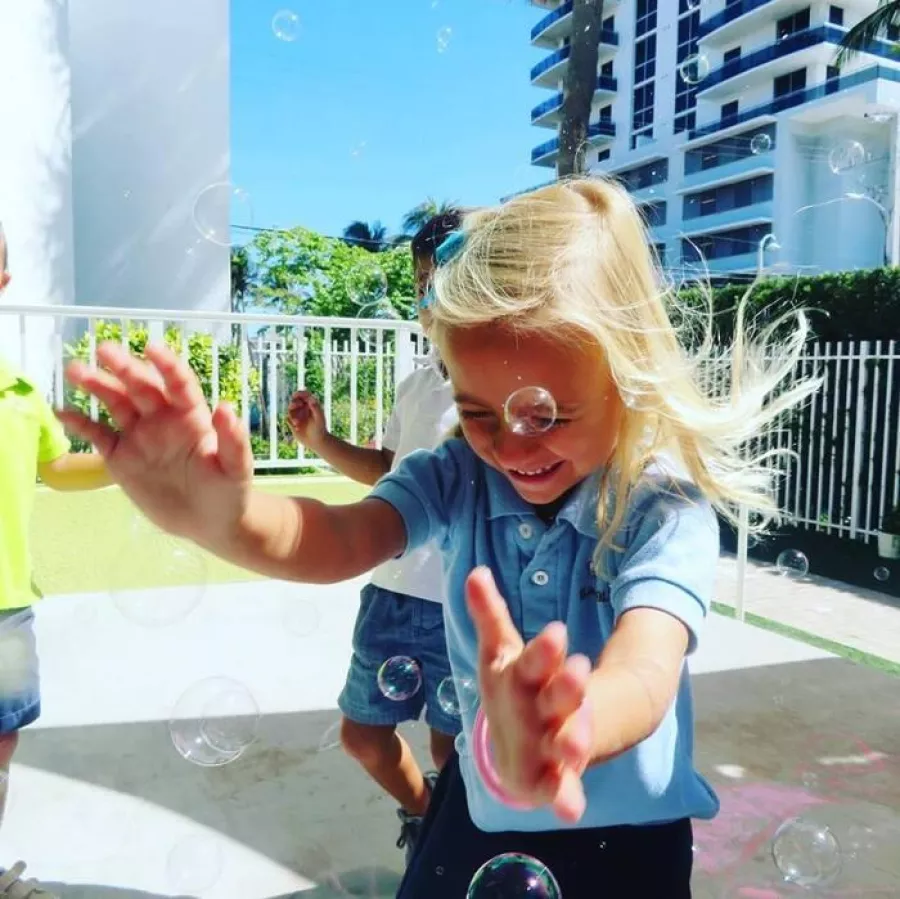
Many people associate sports with older children competing on teams, learning game strategies, and striving to win championships. Yet the foundation for these experiences begins much earlier. For young children, sports are designed to introduce movement, coordination, and cooperation in ways that are fun and engaging. Activities such as kicking a ball, navigating obstacle courses, balancing on beams, or participating in simple relay games help children develop fundamental motor skills while encouraging exploration and confidence.
These early experiences are especially important because they help children become comfortable with challenges. Every new skill requires practice. A child may need multiple attempts before successfully catching a ball or balancing on one foot. Through these experiences, children begin learning that progress comes through effort. Schools that prioritize physical education understand that sports are not separate from learning. They are an important part of how young children develop self-awareness, discipline, communication skills, and confidence in their abilities.
Learning to Fall, Try Again, and Keep Going
One of the greatest lessons sports teach young children is resilience. In early childhood, resilience does not come from overcoming major obstacles. Instead, it develops through everyday experiences. Sports create a safe environment where children learn that setbacks are a normal part of growth. They discover that making mistakes does not mean giving up. Instead, it means trying again.
When educators encourage children to keep practicing, celebrate effort, and recognize progress, children begin developing a healthy relationship with challenges. Rather than fearing failure, they learn to view mistakes as opportunities to learn. This lesson extends far beyond the playground. Children who develop resilience through sports are often better prepared to handle challenges in the classroom, navigate social situations, and approach new experiences with confidence.
Building Confidence Through Movement
Confidence grows when children experience success, and sports provide countless opportunities for those successes to occur. For a young child, success might mean learning to throw a ball farther than they could last month, completing an obstacle course independently, or mastering a new movement skill. These accomplishments may seem simple to adults, but they represent important milestones in a child's development and help strengthen resilience in early childhood.
Physical activities also provide immediate feedback. Children can see their progress and feel their improvement. As they become more capable, they develop a stronger belief in themselves and their abilities. Importantly, the confidence gained through sports often transfers into other areas of learning. Children who feel capable on the playground are more likely to approach classroom challenges with a positive attitude. They become more willing to participate, ask questions, and attempt new tasks because they have already learned that growth comes through practice. This is why strong early childhood programs view sports as an important component of whole-child development. The goal is not to create elite athletes. The goal is to help children develop the confidence needed to embrace learning in all its forms.
More Than Physical Development
Sports also provide valuable opportunities for social and emotional growth. Through group activities and games, children learn to take turns, follow directions, cooperate with peers, and communicate effectively. They begin to understand concepts such as teamwork, empathy, and respect for others. These experiences help children build relationships and navigate social interactions in positive ways. They learn that success often involves working together and supporting one another.
At the same time, physical activity can help young children develop self-regulation skills. Learning when to start, stop, wait, listen, and respond appropriately are all important developmental milestones that can be reinforced through structured sports and movement activities. When integrated thoughtfully into an early childhood curriculum, sports become a powerful tool for supporting physical, emotional, and social development simultaneously.
It is very important to note that, as families evaluate early childhood programs, it is worth looking beyond traditional academic offerings and considering how schools incorporate physical education and sports into daily learning. A high-quality program should provide regular opportunities for movement, age-appropriate sports experiences, and activities designed to build confidence rather than emphasize competition. The best Miami shores preschool programs understand that sports in early childhood are not about winning games. They are about helping children discover what they are capable of achieving through fun, effort, practice, and perseverance.
When parents choose a school that values sports and physical education as part of a well-rounded early childhood experience, they are giving their children more than opportunities to move and play. They are helping them develop the resilience in early childhood, confidence, and determination they will need to thrive both inside and outside the classroom. After all, some of life's most important lessons begin with a simple fall, the courage to get back up, and the willingness to try again.