Little Social Beings: A Child’s Journey Into Connection and Belonging
Topics: School Life
Age Range: Preschool
From the very beginning of life, children are wired for connection. Long before they understand the meaning of friendship, they seek closeness, comfort, and interaction with the people around them. As children grow, this need for connection gradually expands beyond the family and becomes an important part of their emotional and social development. Early childhood is not only a time for learning numbers, colors, or language. It is also the stage where children begin to discover themselves in relation to others. Through everyday interactions and experiences with preschool friendship, children slowly learn what it means to connect, belong, and build relationships with the world around them.
Understanding Connection and Belonging
Humans naturally seek connection from the very beginning of life. Even infants respond to familiar voices, facial expressions, and affection, showing that the need for closeness and interaction develops early. As children grow, those early bonds gradually expand into a broader sense of connection with the world around them. In psychology, this idea is closely tied to attachment theory, which explains that children who feel emotionally secure are more likely to develop confidence, social trust, and healthy relationships later in life. These early experiences help shape not only how children interact with others, but also how they begin to see themselves.
Belonging becomes especially important during early childhood because it influences emotional security and self-esteem. When children feel accepted and included, they are more comfortable expressing themselves, participating in activities, and building relationships with peers. At the same time, repeated social experiences help children understand where they fit within a group and how they connect with others. These everyday interactions help children develop empathy, communication skills, and the confidence to navigate social relationships in a healthy and positive way.
From Attachment to Social Awareness
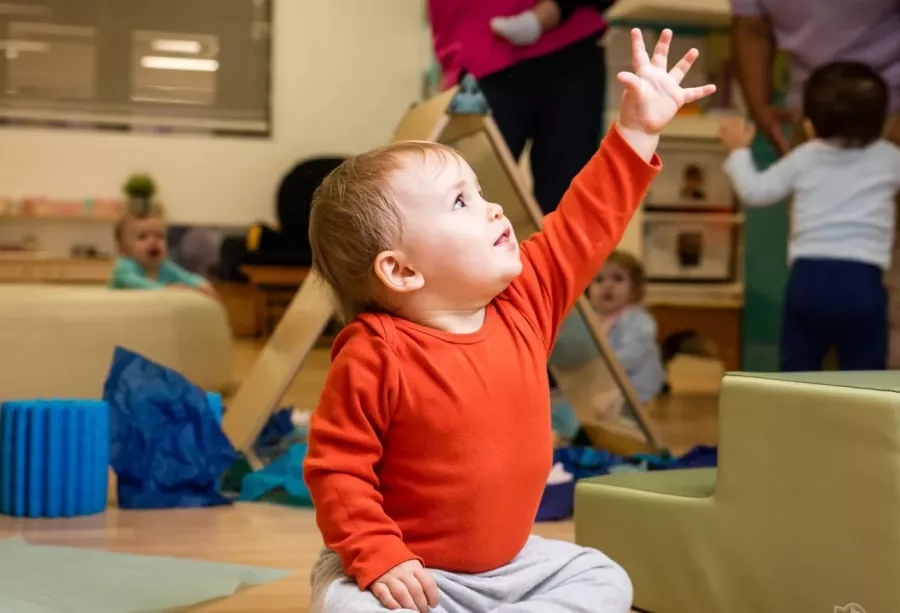
A child’s first sense of belonging begins within the family. During infancy and toddlerhood, children form strong emotional attachments with parents and caregivers who provide safety and comfort. These early bonds create the emotional security children need to confidently explore the world around them.
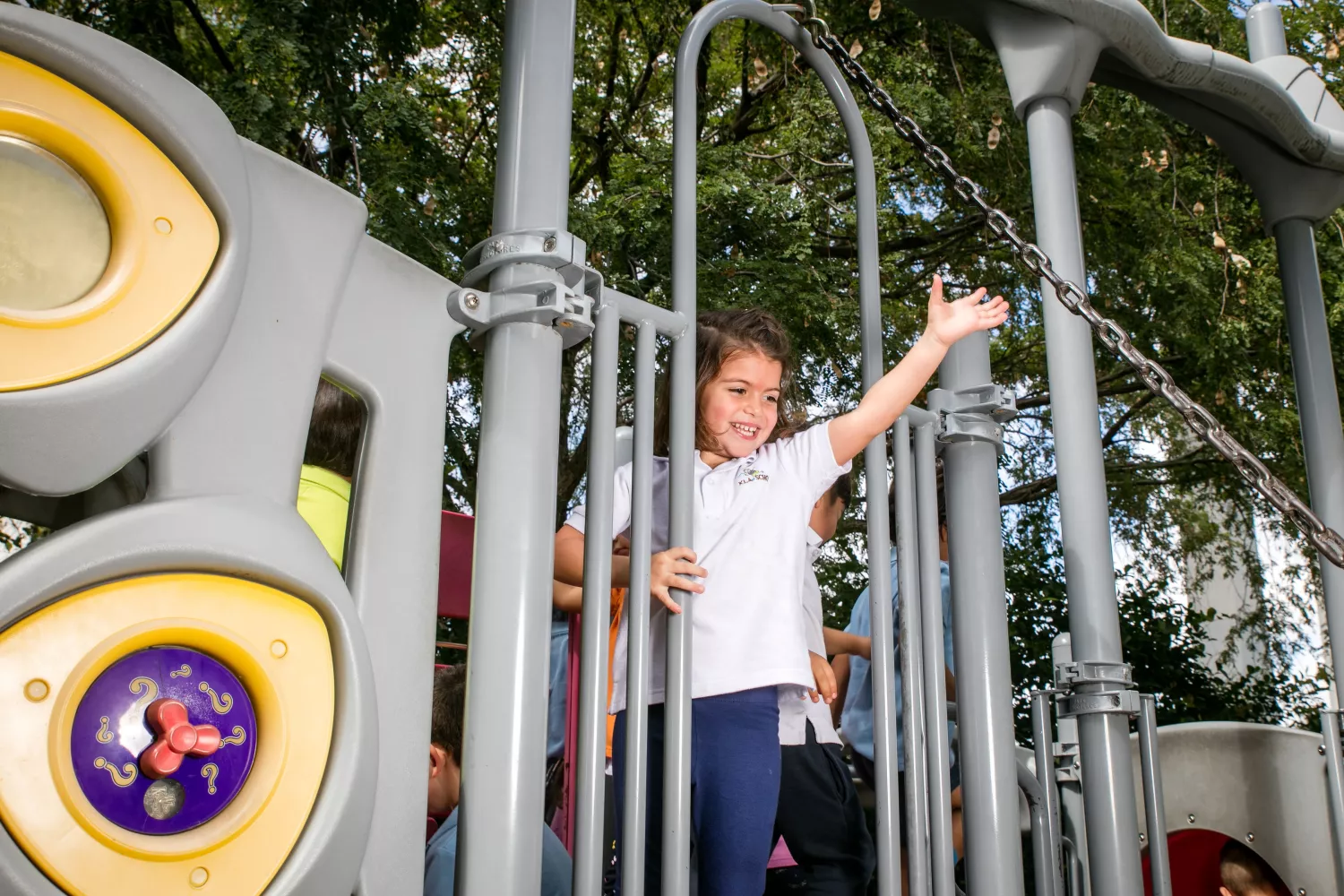
As children enter preschool, their social world naturally begins to widen. They become more aware of other children, noticing emotions, reactions, and behaviors outside of their immediate family circle. At first, social interactions may be simple and brief, such as watching another child play or participating side by side in an activity. Over time, these moments evolve into shared experiences that help children understand connection on a deeper level. In many ways, preschool becomes a child’s first small community. It is a place where children begin learning that they are not only individuals, but also part of a group.Through daily routines, collaborative activities, shared spaces, and experiences with preschool friendship, they start to recognize the importance of inclusion, cooperation, and mutual respect.
The Role of Belonging in Emotional Development
Feeling connected to others plays a major role in a child’s emotional development. When children feel accepted, included, and supported, they are more likely to develop confidence, emotional security, and healthy social skills. Through everyday interactions with family members, teachers, and peers, children begin learning empathy, communication, and trust. These early experiences also shape how children respond to challenges, express emotions, and build relationships throughout life. A strong sense of belonging provides emotional support that helps children feel safe, valued, and connected to the world around them. Other important benefits of connection and belonging include:
- Well-being: Connection creates feelings of comfort, calmness, and emotional security. Positive relationships help children feel supported, encourage joy and laughter, and strengthen empathy and emotional understanding.
- Strength and resilience: Feeling connected gives children emotional strength and confidence. Knowing they are valued and cared for helps them face challenges, recover from difficult moments, and build resilience over time.
- Safety and support: Strong relationships help children feel safe because they know there are trusted people they can turn to for comfort, guidance, and reassurance when needed.
- Reduced distress and loneliness: A sense of belonging can reduce feelings of isolation and emotional distress. Feeling included within a family, classroom, or community helps children feel understood, supported, and emotionally connected.
Importantly, belonging is not about children always getting along perfectly. Conflict, frustration, and misunderstandings are natural parts of social development. What matters is that children are supported as they learn how to navigate these experiences. With guidance, they begin to understand communication, patience, and problem-solving, all of which are essential for healthy relationships later in life.
From the very first days of life, children begin a journey of connection and belonging. What starts with attachment to parents and caregivers gradually expands into interactions with teachers, classmates, and experiences with preschool friendship. For toddlers and preschoolers, these early relationships play an important role in shaping emotional security, confidence, empathy, and communication skills. As children learn how to connect with others and feel valued within a group, they begin building the social and emotional foundation that will support healthy relationships throughout their lives.