Play as a Core Driver of Early Learning
Topics: School Life
Age Range: Preschool
Play is considered one of the main and most important ways young children learn and develop. It is not simply entertainment or a break from learning. In fact, for young children, play is the learning process itself. In early childhood education, especially within Reggio Emilia environments, play is viewed as an essential part of development, as it also helps nurture important life skills for preschoolers. Children learn best through hands-on exploration, creativity, curiosity, and interaction with others rather than through passive instruction alone. When children are encouraged to play, they become active participants in their own learning experiences, and in this article, we explain all about it.
Why Play Matters in Young Students
Long before children learn to read or write, they learn through play. Play is the way young children investigate reality. When a child turns a shape in different directions until it fits into a shape sorter, they are not simply playing with a toy. They are testing space, size, cause and effect, memory, persistence, and problem-solving. Each attempt gives the brain feedback: this works, this does not, try again. That process is how young children begin to build knowledge.
This matters because the early brain develops through repeated experiences. During the first years of life, more than one million neural connections form every second, and the connections that are used often become stronger over time. Play gives children repeated, meaningful opportunities to use those connections through movement, language, emotion, imagination, and social interaction. In this sense, play helps organize the brain for future learning, behavior, and relationships.
Children are naturally inclined to play because play allows them to explore safely. A baby dropping a spoon, a toddler stacking blocks, or a preschooler pretending to care for a doll is asking important questions without using adult language: What happens if I do this? How does this work? What can I make happen? How do others respond? Through play, children experiment with the world before they fully understand it.
Research from the American Academy of Pediatrics explains that developmentally appropriate play supports cognitive, language, social-emotional, and self-regulation skills. These are not separate from learning; they are the foundation of learning. A child who learns to focus, wait, try again, communicate, imagine, negotiate, and manage frustration during play is building the same executive function skills needed later for reading, writing, math, friendships, and classroom participation.
What Does Playful Learning Look Like?
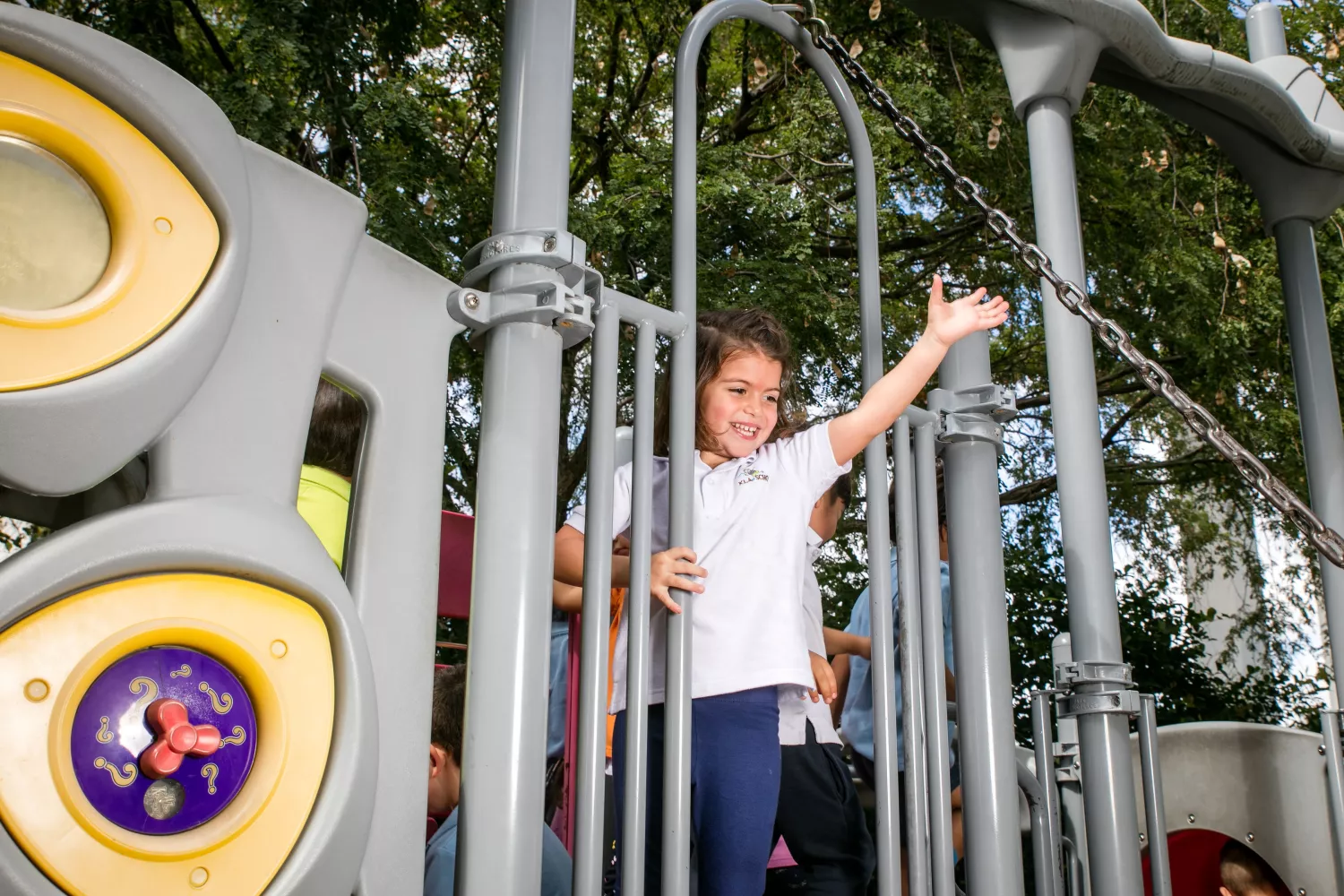
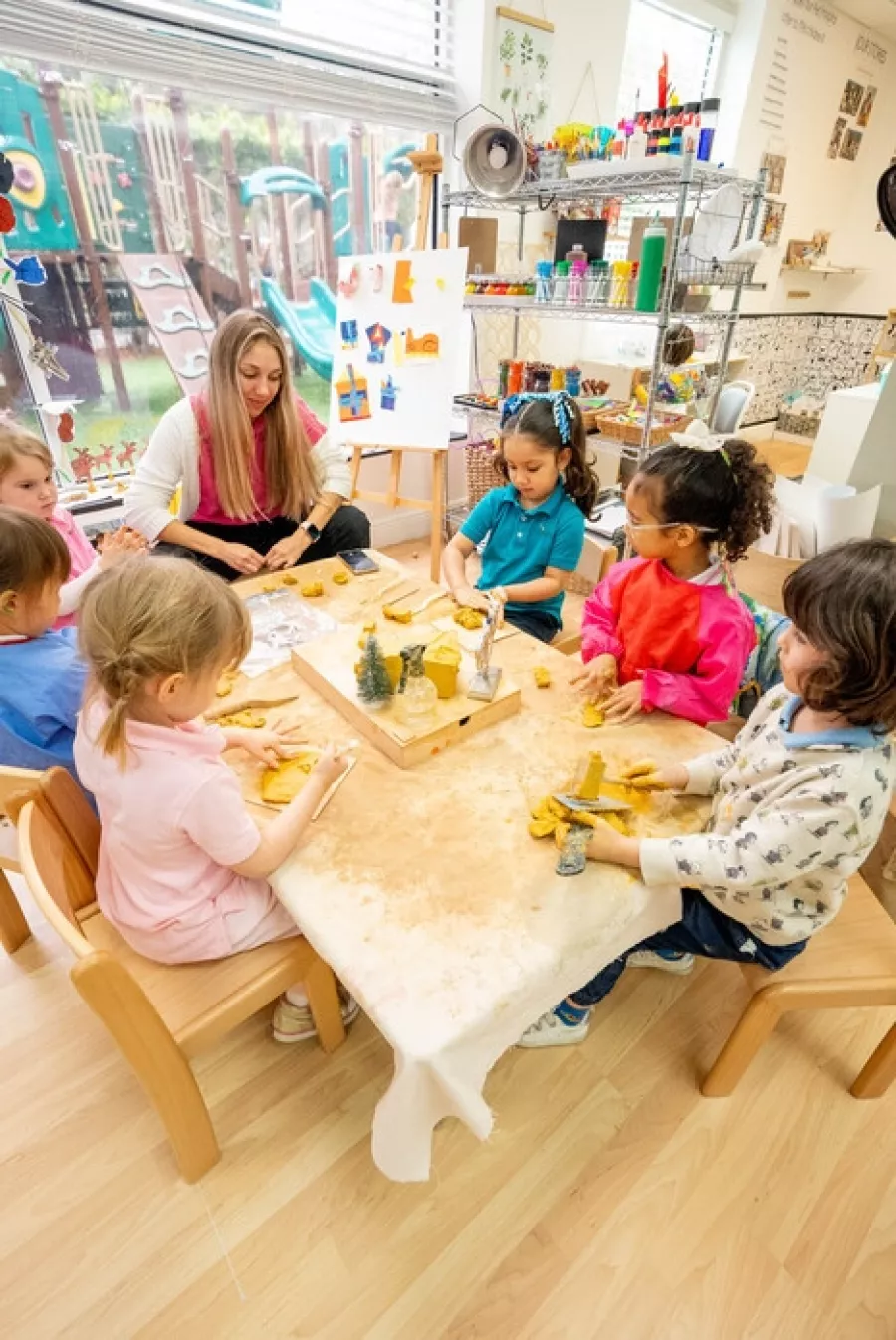
When playful learning is embraced in schools, children are given opportunities to explore, create, and lead their own learning experiences. Rather than simply following instructions, students are encouraged to investigate ideas, ask questions, and discover meaning through hands-on exploration. This type of environment also helps nurture important life skills for preschoolers, including communication, independence, collaboration, confidence, and problem-solving.
Playful learning environments allow children to:
- Explore the unknown and develop curiosity
- Make choices and take ownership of their learning
- Experience joy, excitement, and confidence while learning
- Collaborate with others through shared activities and conversations
- Express themselves creatively through art, movement, storytelling, and imaginative play
In these environments, teachers act as guides who carefully observe children’s interests and create opportunities that extend learning naturally through exploration and interaction.
Play Beyond the Educational Scope
The importance of play extends far beyond the classroom. Research consistently shows that children who are encouraged to play develop stronger social, emotional, academic, and cognitive skills over time. Even during infancy, play helps babies strengthen sensory awareness, coordination, language development, and emotional connection with caregivers. This is one reason why toys and activities are designed specifically for different developmental stages.
Without play opportunities, children may struggle to develop important communication, emotional regulation, creativity, and problem-solving skills. Play supports healthy brain development and helps children learn how to adapt, interact with others, and navigate the world around them. It is a critical part of childhood development that supports growth well beyond the early years.
Play is far more than entertainment for young children; it is one of the most important foundations for lifelong learning and development. Through playful experiences, children build critical thinking abilities, emotional resilience, creativity, communication, and many other essential life skills for preschoolers that will continue shaping how they learn and interact with the world as they grow. When schools and families embrace play as a meaningful part of childhood, children are allowed to develop with curiosity, confidence, independence, and joy.
For families looking for an early learning environment that values exploration and play-based development, choosing the right preschool or daycare in Lake Worth, FL can help children build a strong foundation through meaningful experiences, creativity, and social interaction.