Pre K Vs Transitional Kindergarten: Which One Is Right For Your Child?
Topics: School Life
Age Range: Preschool
Parents often face an important decision as their children approach school age: whether to enroll them in Pre-K or Transitional Kindergarten. Both programs serve as bridges between early childhood learning and formal elementary education, yet their goals, structure, and readiness expectations differ. Understanding these distinctions helps families make informed choices based on a child’s developmental needs, age, and personality.
Understanding the Foundation of Early Learning
In the conversation about pre-k vs transitional kindergarten, both programs prepare young learners for the academic and social expectations of kindergarten, but they do so in distinct ways. Pre-K, or pre-kindergarten, introduces children, typically ages 3 to 4, to foundational skills through play-based, interactive, and sensory experiences. Transitional Kindergarten, often referred to as TK, serves as an intermediate year for children who turn 5 close to the kindergarten cutoff date and require additional time for emotional, social, or cognitive development.
While both share similar goals, their curriculum depth, structure, and daily routines reflect different levels of readiness. Understanding these nuances helps parents identify the program that best matches their child’s growth trajectory.
What Is Pre-K? A Foundation for Curiosity and Exploration
Pre-K nurtures early curiosity by focusing on social interaction, creativity, and hands-on learning. The program encourages children to explore their environment, experiment with materials, and build essential early literacy and math skills through play. Teachers guide group activities that strengthen language, cooperation, and problem-solving abilities.
Children learn through songs, stories, art, and imaginative play. Classroom environments remain flexible and responsive, allowing children to express themselves freely while developing independence. The goal is not formal academic achievement, but the cultivation of confidence, emotional regulation, and curiosity that naturally lead to structured learning later on. Pre-K educators often emphasize routines such as circle time, story time, and collaborative projects to strike a balance between structure and creativity.
What Is Transitional Kindergarten? A Bridge Between Preschool and Kindergarten
Transitional Kindergarten serves as a preparatory year between preschool and kindergarten. It was designed primarily for children who miss the kindergarten age cutoff or who would benefit from another year of developmental growth before entering a traditional classroom. TK provides a more structured academic setting than preschool but retains the nurturing and exploratory qualities of early learning.
In TK classrooms, teachers introduce foundational literacy and numeracy through purposeful play and direct instruction. Children practice handwriting, phonics, counting, and early problem-solving. Lessons align closely with kindergarten standards, helping students gain comfort with formal routines such as sitting for extended periods, following multi-step instructions, and managing materials independently. The program supports not only cognitive growth but also emotional and social readiness. Children build resilience, adaptability, and confidence through predictable schedules and engaging activities. To better understand how Pre-Kindergarten compares to earlier programs, read our guide on the difference between preschool and Pre-K.
What Is the Difference Between Pre-K and Transitional Kindergarten?
Parents often ask, 'What is the difference between pre-K and transitional kindergarten?' The main distinction lies in age, focus, and structure. Pre-K caters to children typically between the ages of 4 and 5, emphasizing socialization, communication, and curiosity. Transitional Kindergarten targets children who are closer to kindergarten age, often between 4 years and 9 months to 5 years and 3 months, depending on local guidelines.
While Pre-K promotes learning through imaginative play and flexible exploration, TK leans toward preparing students for the academic and behavioral expectations of elementary school. Teachers in TK settings integrate academic content with experiential learning, creating a gradual shift toward structured education. Additionally, TK classrooms follow state or district standards that mirror early kindergarten skills, while Pre-K programs may vary more widely in focus and intensity depending on the provider.
Comparing Curriculum and Classroom Environments
A closer examination of transitional kindergarten versus pre-K reveals how each environment supports development in distinct ways. Pre-K classrooms often feature centers dedicated to art, dramatic play, building, and sensory exploration. Activities change frequently, allowing children to explore interests and develop independence. Teachers focus on social-emotional learning, encouraging empathy, cooperation, and self-expression.
Transitional Kindergarten classrooms, on the other hand, incorporate structured group lessons alongside creative exploration. Children engage in literacy games, math practice, and writing activities that build pre-academic skills. Teachers balance academic instruction with play-based methods, ensuring children stay engaged while learning foundational concepts. In TK, educators use more targeted instruction, guiding children toward specific outcomes such as recognizing letters, forming simple words, and counting objects accurately. While creativity remains essential, there is a stronger emphasis on readiness for reading, writing, and arithmetic.
How Age and Readiness Influence the Decision
Age plays a significant role in determining which of these programs to choose. If a child turns 5 shortly after the kindergarten cutoff date, TK provides a chance to develop maturity before facing full-day academic demands. For younger children still exploring language, emotion regulation, or social skills, Pre-K offers the nurturing space to grow at a comfortable pace.
Parents should consider their child’s temperament, attention span, and emotional resilience when making decisions about their child's care. Some children thrive in open-ended environments, such as Pre-K, while others benefit from the consistent routines and skill-building focus of TK. Observing how a child interacts with peers and handles transitions can also guide the decision.
How Educators Support Growth in Each Program
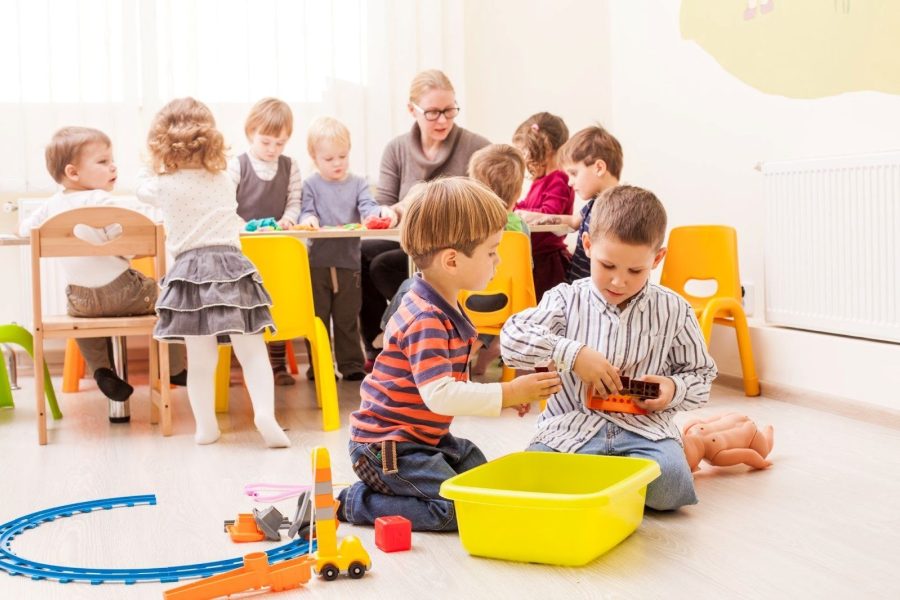
In Pre-K, teachers act as facilitators who create opportunities for discovery. They encourage children to ask questions, express their feelings, and work together in a collaborative manner. The classroom atmosphere remains lively and flexible, fostering independence through play-based projects and group exploration.
In TK, teachers combine nurturing guidance with structured instruction to support students' development. Lessons often include phonemic awareness, number recognition, and problem-solving challenges. The goal is to strengthen both academic and emotional readiness, ensuring that children can enter kindergarten with confidence. Both environments value relationships between teachers, children, and families. Communication between parents and educators plays a vital role in understanding progress and supporting growth at home.
How the Two Programs Impact Long-Term Learning
The skills gained in both Pre-K and TK extend far beyond the early education setting. Children who experience quality early learning often demonstrate better academic outcomes, stronger self-esteem, and higher adaptability in later grades.
Pre-K lays the foundation for curiosity-driven learning, which supports creativity and innovation. TK prepares students for structured academics, helping them approach reading and math with confidence. The choice between the two depends less on which program is “better” and more on what aligns with a child’s readiness and personality.
Guiding Your Decision as a Parent
When comparing pre-k vs transitional kindergarten, consider your child’s strengths, learning style, and developmental pace. Visit local programs, observe classroom dynamics, and speak with teachers about their approaches. Evaluate whether your child feels more engaged through imaginative play or structured academic exploration.
Both Pre-K and TK promote growth, independence, and readiness for lifelong learning. Understanding their distinctions empowers families to choose an environment where their child can thrive emotionally, socially, and academically.
Supporting Early Learners for a Brighter Future
Making an informed decision about your child’s early education shapes how they approach future challenges. Whether a child attends Pre-K or Transitional Kindergarten, the goal remains the same: nurturing curiosity, confidence, and a love of learning.
Each child’s journey unfolds differently, and the best educational path is the one that honors that individuality. Parents who understand the unique purposes of these programs gain clarity, ensuring their child begins school with joy, enthusiasm, and a strong foundation for lifelong success.
KLA Schools: Offering Both Pre-K and Transitional Kindergarten Programs
KLA Schools offers families both Pre-K and Transitional Kindergarten programs, designed to meet children where they are developmentally. Each program aligns with the natural rhythm of early childhood growth, allowing every child to progress at their own pace in a nurturing and inspiring environment.
The Pre-K program at KLA Schools focuses on exploration, imagination, and collaboration. Children learn through project-based experiences inspired by their interests. Teachers encourage curiosity, creativity, and communication while helping children build the emotional and social foundations necessary for kindergarten success.
The Transitional Kindergarten program at KLA Schools supports children who are ready for more structure but still benefit from the warmth and flexibility of early learning. The curriculum blends academic readiness with play-based exploration, emphasizing literacy, numeracy, and problem-solving in meaningful, hands-on ways.
Both programs reflect KLA Schools’ Reggio Emilia-inspired philosophy, where children’s voices guide the learning process and classrooms act as living environments that promote discovery. Families value this approach because it helps children transition smoothly into elementary school with confidence, independence, and a love for learning. Through its Pre-K and Transitional Kindergarten programs, KLA Schools ensures that every child receives the support, challenge, and encouragement needed to thrive in the next stage of their education and beyond.
Contact us today to schedule a tour or learn more about our Pre-K and Transitional Kindergarten programs. We look forward to welcoming your family to KLA Schools!