Preschool vs. Homeschool: What Is Best for Your Family?
Topics: School Life
Age Range: Preschool
As a parent, you want the very best for your child, especially when it comes to education. For toddlers and preschoolers, education is about much more than academics. At this stage, children are learning how to communicate, solve problems, build relationships, follow routines, and develop important social and emotional skills. Because of this, many families begin comparing preschool vs homeschooling to better understand which option may support their child’s emotional, social, and cognitive development. Understanding the benefits and challenges of both options can help parents make a decision that best fits their child’s needs, personality, and family values.
Preschool: Structure, Social Development, and School Readiness
Preschool programs are designed to introduce young children to structured learning environments while supporting important developmental milestones. Through daily routines, guided activities, and peer interaction, children begin building the foundational skills they will later use throughout elementary school and beyond. Here are some of the pros of preschool:
- Structured Learning Environment: Preschool introduces children to routines, schedules, and classroom expectations in an age-appropriate way. Daily transitions, group activities, and guided instruction help children become comfortable with structure before entering kindergarten.
- Learning From Other Children: In preschool environments, children constantly observe how other children communicate, solve problems, express emotions, and participate in activities. This type of peer modeling helps toddlers and preschoolers develop communication and behavioral skills naturally through observation and interaction.
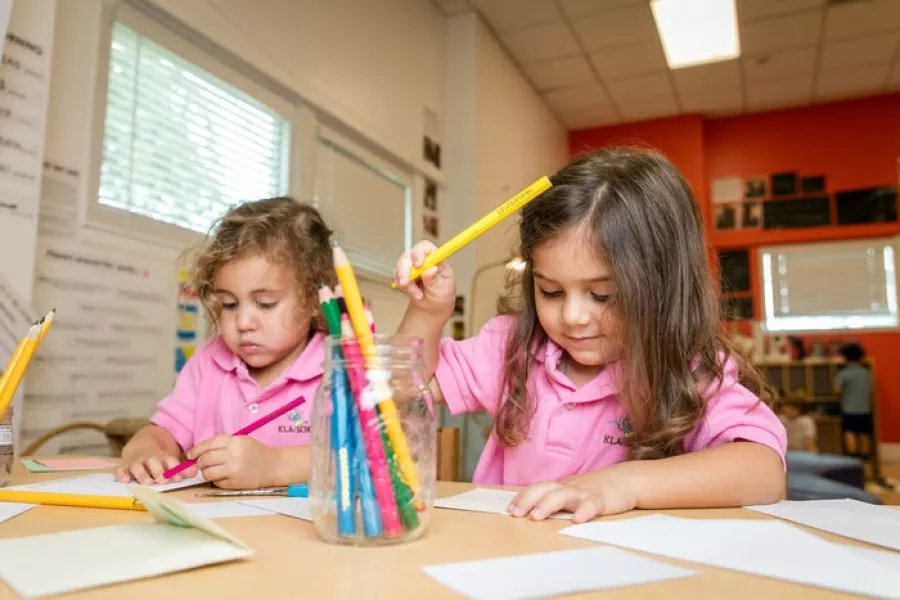
- Interaction with Peers: One of the greatest strengths of preschool is consistent interaction with peers. Children learn how to share, cooperate, communicate, solve conflicts, and participate in group settings. These social experiences play an important role in emotional development and school readiness.
- Preparation for School: Research consistently shows that high-quality preschool programs can positively impact long-term academic outcomes. Children who attend preschool are often more prepared for kindergarten routines, classroom participation, and early literacy and math concepts.
- Exposure to Different Communication Styles and Personalities: Preschool introduces children to a wider variety of personalities, communication styles, routines, and perspectives. This exposure helps children become more adaptable and comfortable navigating different social situations from an early age.
- Individualized Attention: Many preschool programs maintain small classroom ratios, allowing teachers to spend more one-on-one time with each child. This individualized attention can help educators better recognize a child’s learning style, personality, strengths, and areas where they may need additional support.
Homeschooling: Flexibility and Family Bonding
Homeschooling is usually an option for families who want greater flexibility and involvement in their child’s early education. During the preschool years especially, homeschooling allows parents to create highly personalized learning experiences based on their child’s pace, interests, and daily routines. Some of the pros include:
- Closer Parent Involvement: Homeschooling allows parents to remain closely involved in their child’s learning process during important developmental years. This can help parents better understand their child’s communication style, interests, emotional needs, and learning preferences.
- Customized Learning: One of the most discussed aspects of preschool vs homeschooling is the ability to personalize a child’s learning experience. Homeschooling allows parents to tailor activities and lessons to match their child’s interests, developmental stage, and learning style. This flexibility allows children to spend more time exploring topics they enjoy and move at a pace that feels comfortable. However, some preschool programs that follow educational approaches such as Reggio Emilia or Montessori also encourage child-led learning, curiosity, and individualized exploration within a structured classroom environment.
- Flexible Schedule: Families who homeschool often appreciate the ability to organize schedules around their own routines, travel plans, cultural practices, or family priorities. This flexibility can reduce stress for some children who thrive in familiar and predictable environments.
- Strengthened Family Bonds: Spending more time together can strengthen parent-child relationships and provide children with a strong sense of security and support during their early years.
- Controlled Learning Environment: Homeschooling allows parents to closely monitor what their children are exposed to and create learning environments that reflect their family’s values and priorities.
At the same time, homeschooling requires a significant amount of time, planning, and consistency from parents or caregivers. Balancing homeschooling with work and other responsibilities can become challenging, particularly for families with limited time or support. In addition, children may have fewer opportunities for regular peer interaction unless families actively seek out playgroups, extracurricular activities, or community programs. Accessing educational resources, structured activities, and specialized learning experiences may also require additional effort and planning compared to a preschool setting where these opportunities are built into the daily environment.
How Preschool Makes a Difference
When comparing preschool vs homeschooling options, many families ultimately ask the same question: how much difference does preschool actually make during the early years? Research suggests that high-quality preschool programs can have a meaningful impact on both academic and developmental outcomes, particularly when children are consistently exposed to learning opportunities, peer interaction, and supportive classroom environments. Research has also linked early education programs to improvements in communication, self-regulation, and social development.
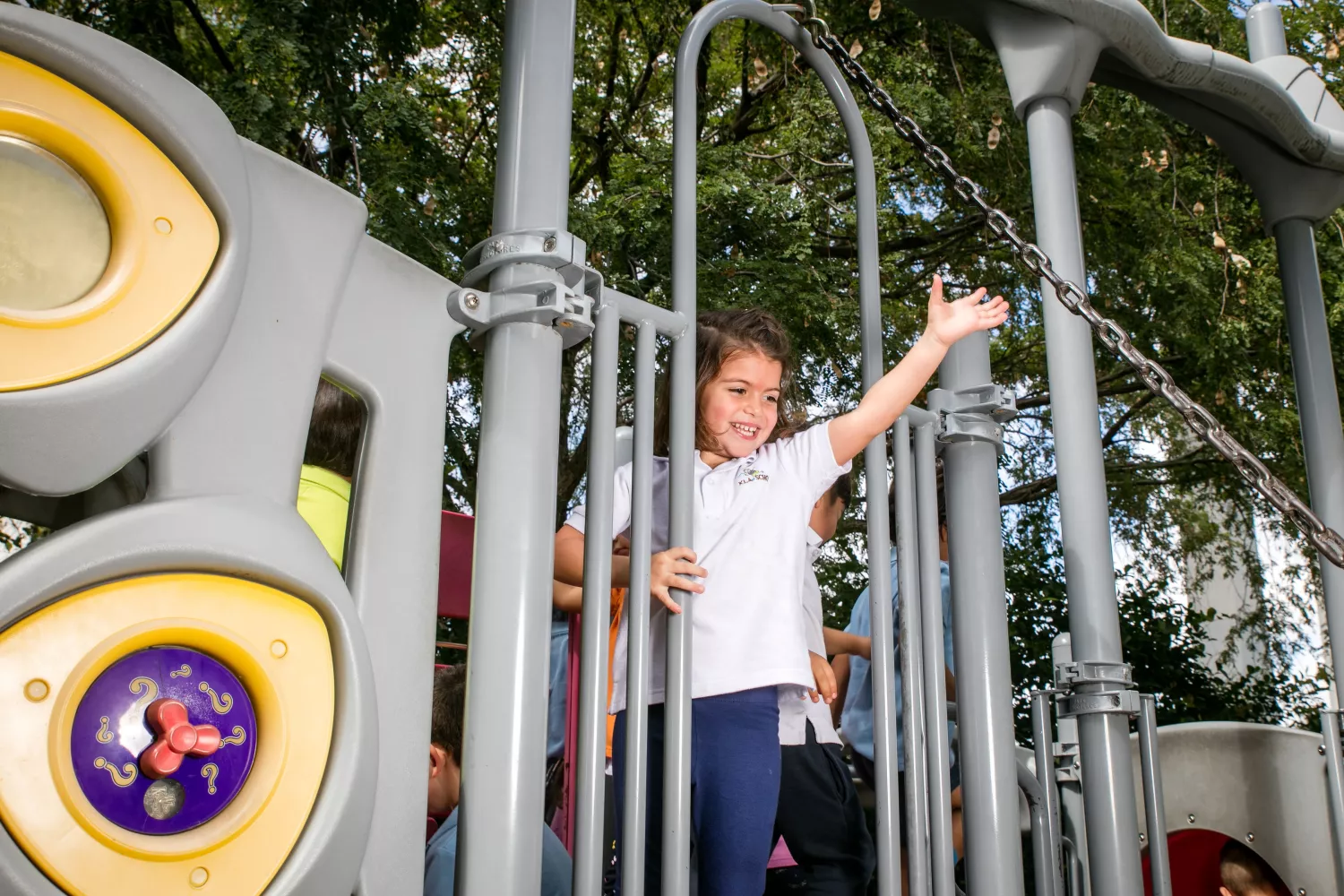
Beyond academics, preschool helps children practice skills that can be more difficult to develop in isolated settings. Young children learn how to participate in group activities, interact with different personalities, listen to instructions from adults outside the family, and navigate social situations more independently. Through daily interaction with teachers and peers, they begin developing cooperation, patience, communication skills, emotional regulation, and problem-solving abilities in real-world situations. This does not mean homeschooling cannot support these same areas, but preschool environments often provide consistent opportunities for children to practice these skills naturally as part of their daily routine.
It is also important to recognize that not all preschool programs follow the same educational philosophy. Some schools offer more structured academic environments, while others focus on child-centered and holistic approaches such as Reggio Emilia or Montessori. Other programs may incorporate faith-based teachings or place greater emphasis on creativity, outdoor exploration, or play-based learning. Because of this variety, many families are able to find preschool environments that align closely with their educational values, parenting style, and child’s personality.
So, when considering preschool vs homeschooling, both options can provide valuable early learning experiences, and the right choice will depend on each family’s needs, values, and circumstances. However, for many toddlers and preschoolers, preschool offers a unique combination of structure, peer interaction, hands-on learning, and school readiness experiences that can play an important role in supporting confidence, adaptability, and long-term developmental growth during the early years.
For families searching online for infant care near me, KLA Schools of North Bay Village offers an exceptional combination of convenience and quality. Ideally located between Miami Shores and Miami Beach, our school provides an easy commute for families from both communities while offering a nurturing, developmentally appropriate foundation from the very beginning.