How Sensory Play Supports Child Development
Topics: School Life
Age Range: Preschool
From the moment children are born, they begin learning about the world through their senses. This natural process of learning through touch, sound, sight, movement, and even smell is known as sensory play. It is a vital part of healthy child development. By engaging different senses, children at a Miami Shores daycare or preschool build important brain connections that support cognitive growth, language development, motor skills, and emotional regulation. In this article, we will explore how three key elements of sensory play (textures, sounds, and visuals)play an essential role in supporting children’s development.
Defyning sensory play
Sensory play is any activity that stimulates a child’s senses. While many people think of the five main senses (touch, smell, sight, sound, and taste) sensory play also involves movement, balance, and body awareness. These include the vestibular system (balance and movement), proprioception (understanding where the body is in space), and interoception (awareness of internal body signals like hunger or tiredness). Each sensory experience helps build nerve connections in the brain, strengthening the foundation for learning, behavior, and development.
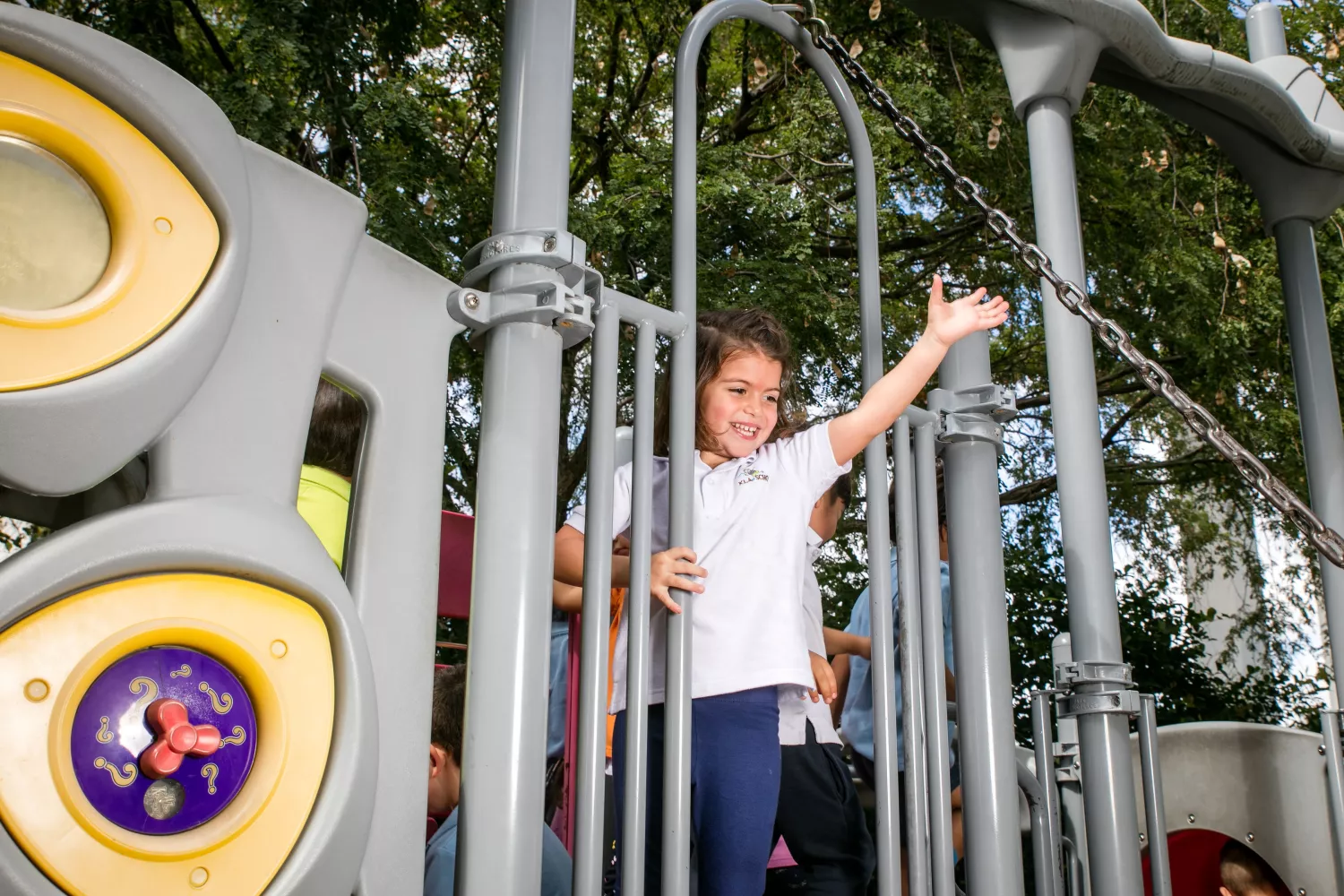
As babies grow into toddlers and preschoolers, their senses continue to mature. Through exploration and play, children develop thinking skills, language, creativity, and problem-solving abilities. Sensory play supports fine motor skills (like grasping and pouring), gross motor skills (like jumping and balancing), and social-emotional skills (like sharing and self-regulation). It also improves focus and helps children learn how to filter out distractions. Let’s take a closer look at how three key elements of sensory play, play a role in child development.
1. Texture
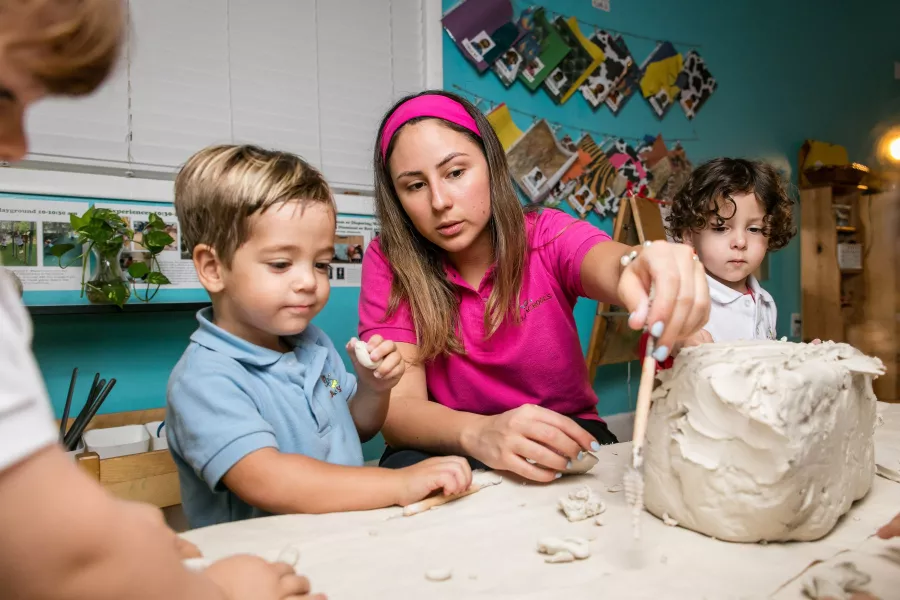
Texture plays a central role in sensory play because touch is one of the earliest senses to develop. When children explore materials with different textures (such as sand, water, mud, rice, slime, or fabric) they are learning to interpret and respond to tactile information. Rough, smooth, soft, sticky, wet, and dry surfaces all provide unique sensory feedback. Exploring textures helps children refine their fine motor skills. Scooping sand, squeezing playdough, or pouring water strengthens hand muscles and coordination. These skills are essential for later tasks such as writing, buttoning clothes, and using utensils.
Texture-based play at a Miami Shores daycare or preschool also supports emotional regulation. Some textures, like soft fabrics or smooth stones, can be calming. Others, like crunchy leaves or bumpy surfaces, provide stimulating input. Through repeated exposure, children learn to tolerate and manage different sensations, which builds resilience and adaptability.
2. Sounds
Sound is another powerful element of sensory play. Listening to music, shaking rattles, tapping on pots, or exploring nature sounds helps develop auditory processing skills. Children learn to identify differences in volume, rhythm, and pitch, which are essential skills for language development and communication.
Sound-based activities strengthen attention and memory. For example, repeating rhythms or following musical patterns encourages listening skills and concentration. Singing songs and nursery rhymes supports early literacy by helping children recognize patterns in language and sounds. Sound also influences emotional development. Gentle music can soothe a child, while energetic beats can encourage movement and joy. Exploring sound through movement also engages the vestibular system, supporting balance and coordination.
3. Visuals
Visual stimulation helps children understand the world around them. Bright colors, contrasting patterns, light and shadow, and movement all capture a child’s attention. Sorting colors, comparing light and dark, and identifying shapes help toddlers develop early math and thinking skills. Visual sensory play strengthens observation and problem-solving abilities. Activities like building with blocks, completing puzzles, or exploring nature encourage children to notice details and spatial relationships.
Visual input also plays a role in focus. Learning to track moving objects or concentrate on visual tasks helps children develop sustained attention, an important skill for school readiness.
Textures, sounds, and visuals each play a unique and important role in sensory play. Together, they support brain development, strengthen motor and cognitive skills, and nurture emotional well-being. By encouraging children to explore their sensory world, we give them the tools they need to grow, learn, and thrive. Looking for quality early childhood education? Contact us today and inquire more about our North Bay Village and Miami Shores daycare and preschool.