Summer Camp vs Staying Home: What Each Option Offers Your Preschooler
Topics: School Life
Age Range: Preschool
Choosing how your preschooler spends the summer can feel like a big decision. Some families prefer the structure and social opportunities that summer camp provides, while others explore summer camp alternatives such as staying home, traveling, or creating a more flexible seasonal routine. The truth is that both options can offer valuable experiences for young children. The best choice depends on your child’s personality, your family’s schedule, and the type of summer experience you want to create. Let’s take a closer look at each one.
Summer Camp: Structure, Socialization & Active Learning
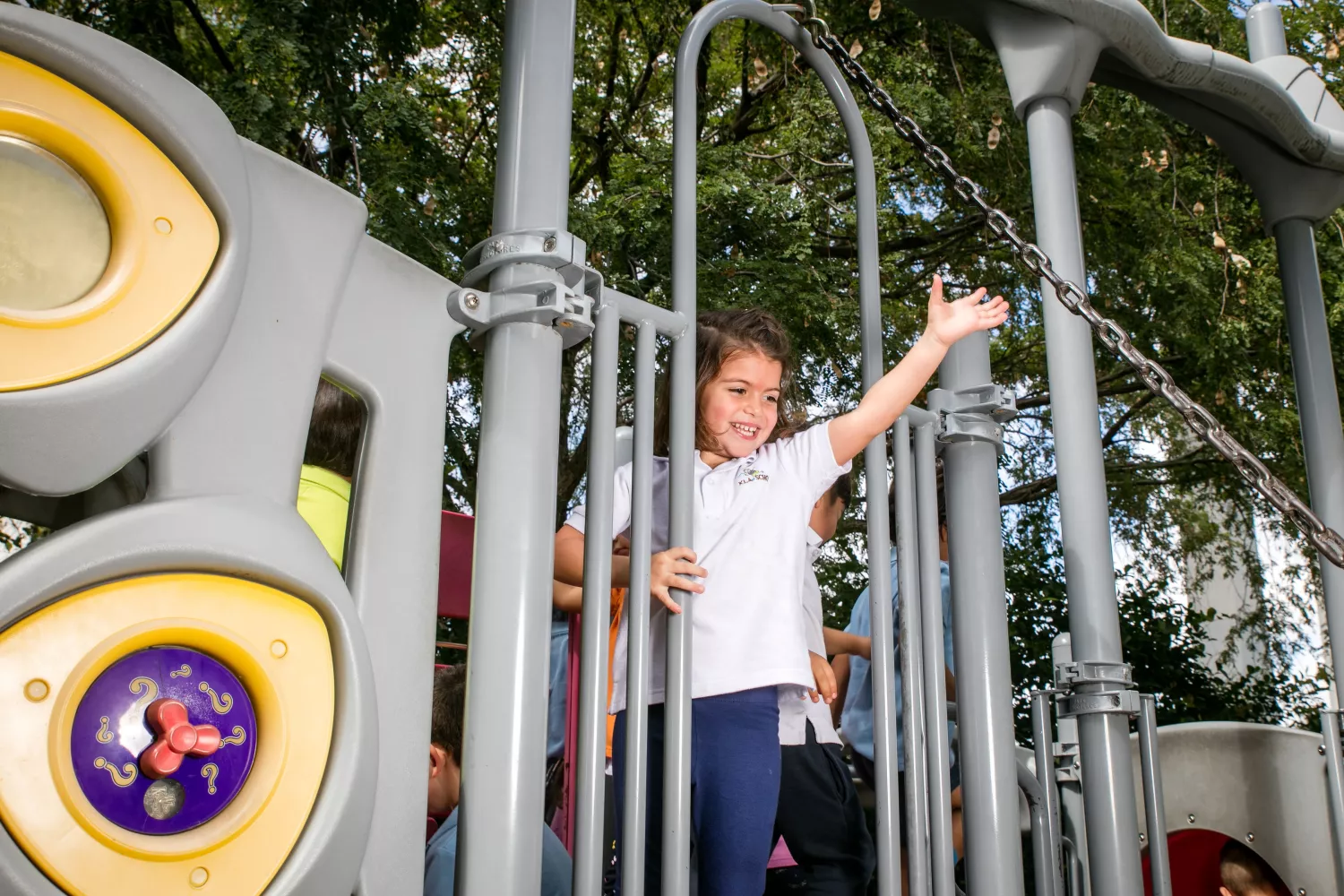
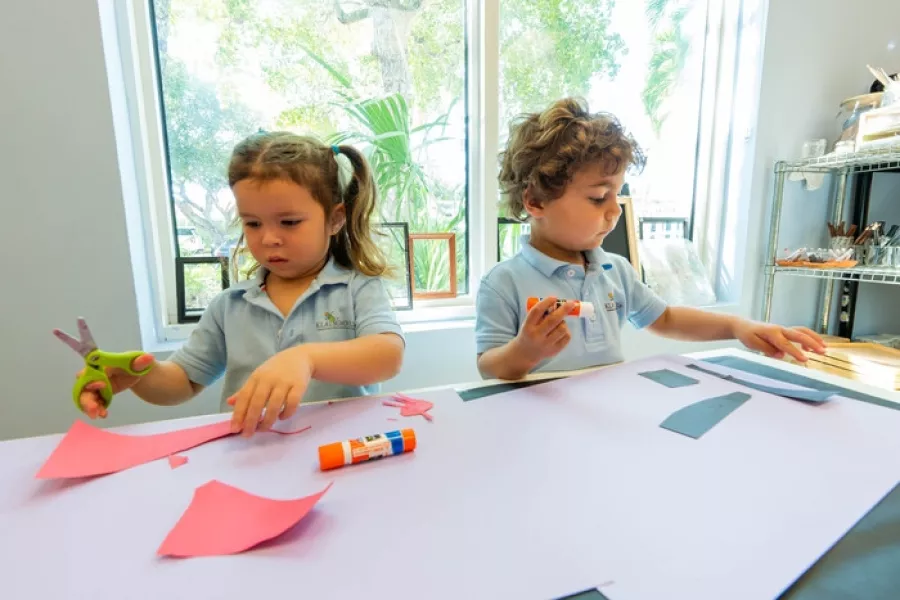
Summer camp gives preschoolers the chance to stay active, engaged, and connected during the summer months. Instead of spending long days at home with little routine, children participate in hands-on activities designed to encourage creativity, movement, exploration, and social development. Many camps also organize each session around exciting weekly themes, helping children discover new interests while keeping every week fresh and engaging. Programs like ours include themed experiences focused on movement, nature, creativity, music, and discovery-based learning, making summer feel both fun and enriching.
Here is a more detailed overview of what summer camp offers:
- Structured routines and consistent schedules: Preschoolers thrive on predictability. Summer camp helps maintain a healthy daily routine with scheduled activities, meals, outdoor play, and rest time. This structure can help children feel secure, balanced, and emotionally comfortable throughout the summer months.
- Daily social interaction with other children: Camps give preschoolers regular opportunities to communicate, share, cooperate, and build friendships with peers. For children who enjoy social environments, this daily interaction can strengthen confidence and help improve communication and teamwork skills.
- Opportunities to build independence and confidence: Being in a new environment away from home encourages preschoolers to take responsibility for small tasks, adapt to group routines, and try new things independently. Over time, many children become more confident in social situations and everyday activities.
- Less boredom and reduced screen time: One of the biggest advantages of summer camp is keeping children engaged throughout the day. With structured activities, outdoor play, and interactive learning, preschoolers are less likely to spend long hours watching television or using tablets at home.
Summer camp is often a great fit for families who need reliable daytime care during work hours or who want to maintain a consistent routine throughout the summer. It can also be especially beneficial for social and energetic preschoolers who enjoy group activities, active play, and structured environments. For parents looking for organized activities outside the home, camp can provide a balanced mix of learning, creativity, and fun while helping children stay engaged during the break from school.
However, while summer camp offers many benefits, it may not be the perfect fit for every family or every child. Camp schedules can limit flexibility for vacations and spontaneous summer plans, and some children may feel overwhelmed in busy group environments. Cost can also be an important factor, especially for families enrolling children in full-day or multi-week programs. Even so, many parents find that the social interaction, structured activities, and engaging experiences make summer camp a valuable option during the preschool years.
Staying Home: Flexibility, Comfort & Family Time
For some families, staying home during the summer creates a calmer and more flexible experience and can be one of the most practical summer camp alternatives to consider. Preschoolers often benefit from relaxed routines, extra rest, and more time with parents and siblings. Children who prefer familiar environments or quieter schedules may feel especially comfortable with this option. Here are some things staying home offers:
- A slower and more relaxed summer rhythm: Staying home can give families the opportunity to slow down and enjoy a less rushed season. Many parents appreciate having more flexibility to enjoy everyday moments, outdoor walks, family outings, and quiet time together.
- Freedom for vacations and spontaneous activities: Families who travel frequently during the summer often appreciate the flexibility that comes with staying home. Day trips, weekend getaways, and spontaneous plans become easier without having to follow a camp calendar.
- Comfortable and familiar surroundings: Some preschoolers feel happiest in environments they already know well. Staying home can reduce stress for children who struggle with transitions, large groups, or unfamiliar settings.
- More downtime and opportunities for independent play: Staying home can give preschoolers more flexibility to slow down, relax, and follow their own interests throughout the day. Children may spend more time engaging in imaginative play, creative activities, reading, outdoor exploration, or quiet moments at their own pace within a familiar environment.
Families with flexible work schedules or at-home caregivers often enjoy the opportunity to spend extra quality time together and create a slower-paced summer experience centered around family connection. Although staying home offers flexibility and comfort, it can also come with challenges. Without planned routines or organized activities, some preschoolers may become bored more easily or spend more time on screens. Parents may also need to put extra effort into planning activities, outings, and social opportunities to keep children engaged throughout the summer.
There’s no one-size-fits-all answer when it comes to summer plans for preschoolers. Some children thrive in the structure and excitement of summer camp, while others benefit from the comfort and flexibility of staying home or other summer camp alternatives. In many cases, families even choose a combination of both. No matter which option you choose, the most important thing is creating a summer where your child feels supported, engaged, and happy.
Many preschools in Lake Worth offer enriching programs, but KLA Schools of Lake Worth stands apart with the Reggio Emilia–inspired approach, which encourages curiosity, creativity, and hands-on learning in a nurturing environment. Whether your child thrives in a collaborative classroom or benefits from an individualized approach, our school is designed to support each child’s unique development while building a strong foundation for lifelong learning.