The Importance of Art, Music, and Movement in Preschool
Topics: School Life
Age Range: Preschool
During the preschool years, young learners are naturally curious, energetic, and eager to explore the world around them. This is why incorporating art, music, and movement into the curriculum provides meaningful opportunities for children to grow cognitively, socially, emotionally, and physically. These creative activities are not simply enjoyable extras, they are essential tools that support whole-child development and create a strong foundation for lifelong learning at a Miami Shores preschool. Let's take a look at each of them and their benefits for preschoolers.
1. Art
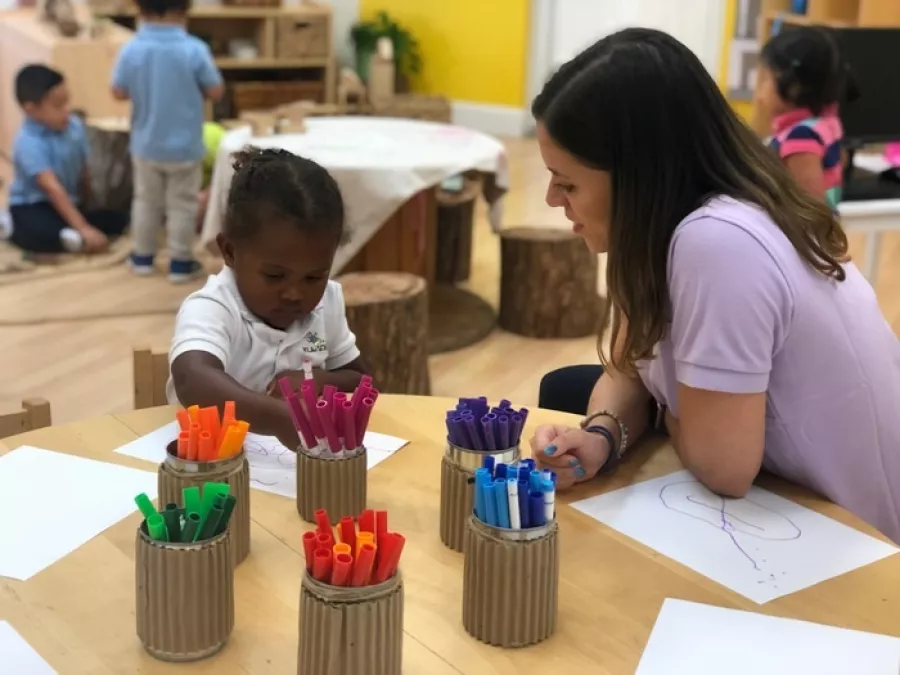
Art allows preschool children to explore their creativity while expressing thoughts and emotions they may not yet have the words to describe. Through activities such as painting, drawing, cutting, and sculpting, children gain confidence in sharing their ideas and experimenting with materials in an open-ended way. Some benefits of art include:
- Emotional expression: Art gives children a safe and healthy outlet to express feelings such as happiness, frustration, or excitement. Colors, shapes, and textures help them communicate emotions nonverbally.
- Fine motor skill development: Holding crayons, using scissors, and molding clay strengthen hand muscles and improve hand-eye coordination, skills necessary for writing and daily self-care tasks.
- Creativity and imagination: Open-ended art projects encourage children to think creatively, make choices, and explore new ideas without fear of making mistakes.
- Problem-solving skills: Deciding how to use materials, fix a mistake, or complete a project helps children develop critical thinking and perseverance.
- Self-confidence: Completing an art project gives children a sense of accomplishment and pride, boosting their confidence and willingness to try new challenges.
2. Music
Music naturally captures children’s attention and transforms learning into an engaging, joyful experience. Singing, listening, and moving highlight the educational benefits of music while supporting language development, memory, and emotional expression and encouraging a positive classroom environment.
- Language and vocabulary development: Songs with repetitive lyrics introduce new words and sentence structures, helping young students who attend a Miami Shores preschool improve listening skills and pronunciation.
- Memory and recall: Repetition in songs strengthens neural connections, making it easier for children to remember concepts such as the alphabet, numbers, and daily routines.
- Cognitive development: Rhythm, melody, and patterns in music support early math skills, sequencing, and pattern recognition.
- Emotional regulation: Music allows children to release energy, relax, or express emotions in positive ways, supporting emotional well-being.
- Social skills: Group singing and musical games encourage cooperation, turn-taking, and a sense of belonging within the classroom.
3. Movement
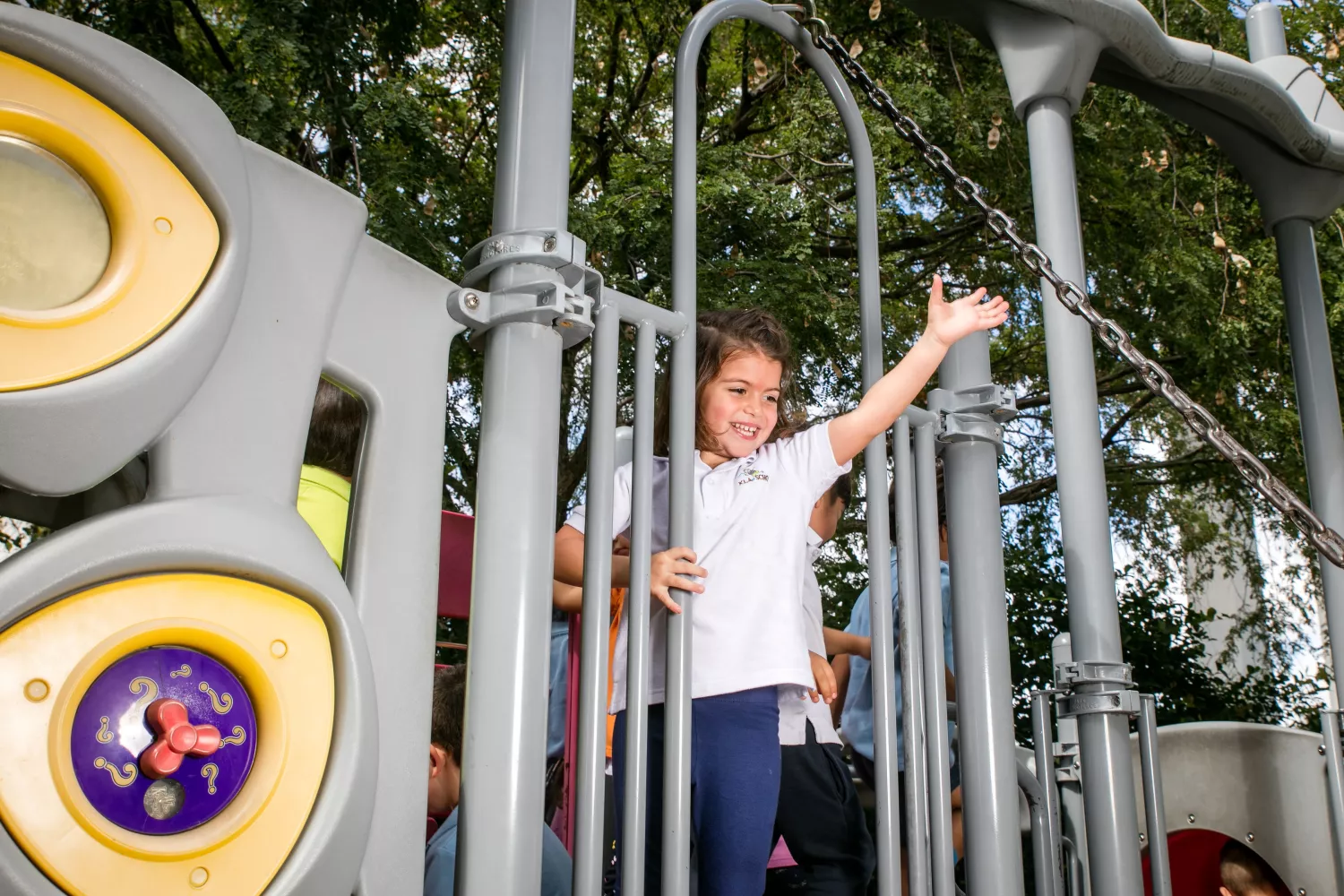
Movement is essential for young children, who learn best when their bodies are actively engaged. Physical activities such as dancing, jumping, stretching, and creative movement help children build strength while supporting brain development and self-control. Some benefits of movement in preschool include:
- Gross motor development: Activities that involve running, hopping, or balancing strengthen large muscle groups and improve coordination.
- Brain development: Movement increases blood flow to the brain, enhancing focus, memory, and overall learning readiness.
- Self-regulation: Physical activity helps children manage energy levels, reduce stress, and improve attention during quieter learning times.
- Confidence and body awareness: Exploring different movements helps children understand their bodies, build confidence, and develop spatial awareness.
- Social interaction: Group movement activities encourage teamwork, communication, and positive peer interactions.
As you can see, art, music, and movement are powerful components of a high-quality Miami Shores preschool curriculum. Together, they support creativity, emotional expression, physical development, and cognitive growth while making learning meaningful and enjoyable. By integrating these activities into daily routines, teachers create rich learning experiences that nurture the whole child. When preschoolers are given opportunities to paint, sing, and move, they are not only having fun but also building essential skills that will support their success both in school and beyond.