What Do Children Miss When They Don't Attend Summer Camp?
Topics: School Life
Age Range: Preschool
For toddlers and preschoolers, summer camp is not simply a way to stay busy during the summer months. A well-designed early childhood camp environment exposes them to experiences that support emotional, social, cognitive, and physical development in ways that are often difficult to recreate at home. While children can absolutely thrive without attending camp, at this age, they learn best through movement, exploration, repetition, and interaction. Consistent engagement during the summer months can also help reduce summer learning loss by keeping young children socially, physically, and mentally active through meaningful experiences.
Here are the biggest things children often miss when they skip summer camp.
1. Outdoor Play and Reduced Screen Time
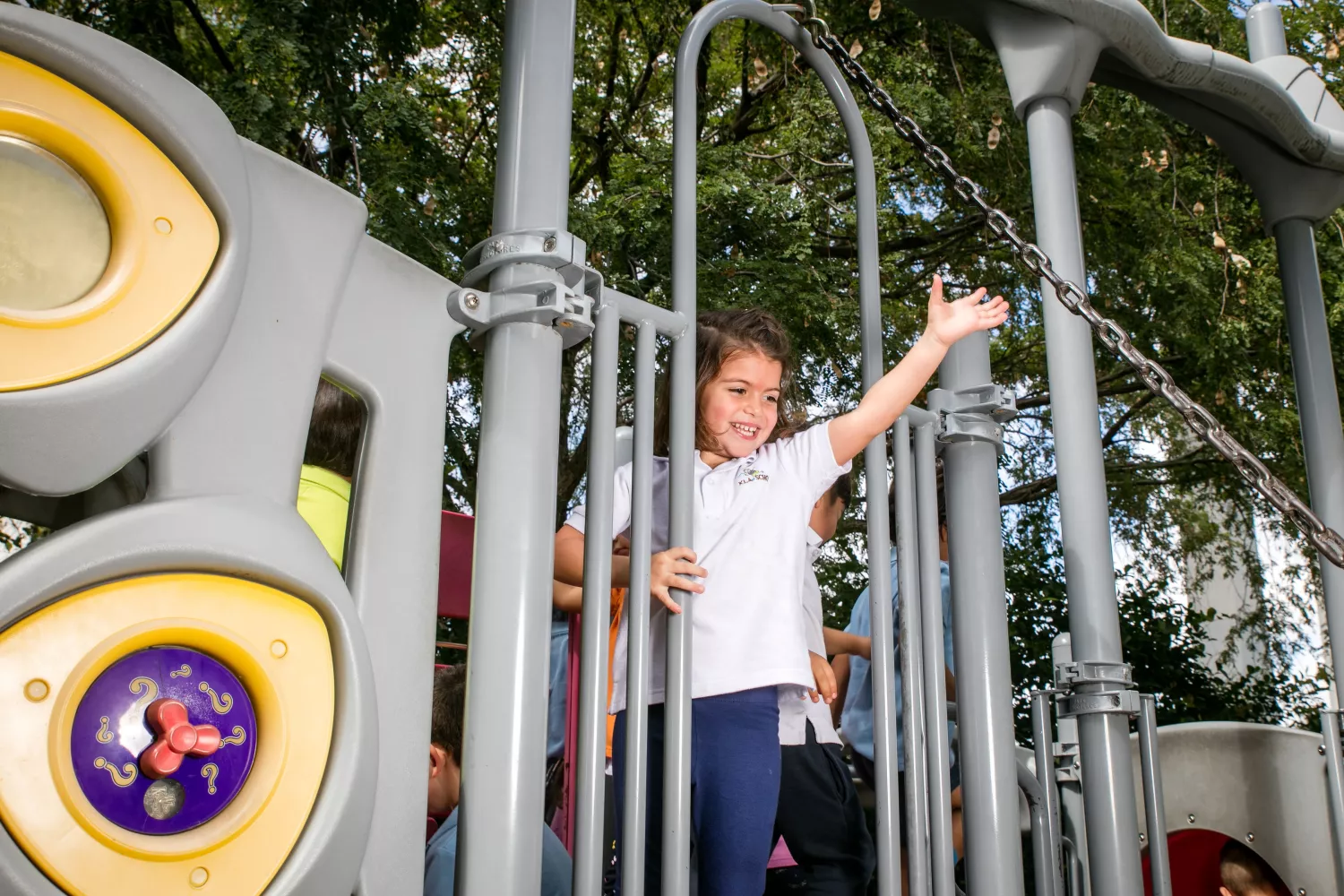
One of the biggest things young children may miss without summer camp is consistent, purposeful outdoor engagement. Many toddlers and preschoolers today spend large portions of their day indoors, moving between screens and limited physical play. Camp environments intentionally create opportunities for children to interact with nature, move freely, and engage their senses through active exploration.
These experiences are important because young children learn through movement and sensory interaction. Activities like water play, obstacle courses, gardening, nature walks, and outdoor games strengthen coordination, attention, emotional regulation, and body awareness. Without regular exposure to these types of experiences, children may have fewer opportunities to develop confidence in physical exploration and sustained engagement with the world around them. Over time, this can contribute to shorter attention spans, reduced comfort with independent play, and a heavier reliance on passive entertainment.
2. A Different Kind of Learning
Children who do not attend camp may miss opportunities to learn in ways that are fundamentally different from home or classroom environments. Early childhood camps often emphasize experiential learning, where children are encouraged to explore, experiment, and create without pressure to produce perfect results. This kind of learning is especially valuable during the toddler and preschool years because it supports curiosity before children begin associating learning with performance or evaluation.
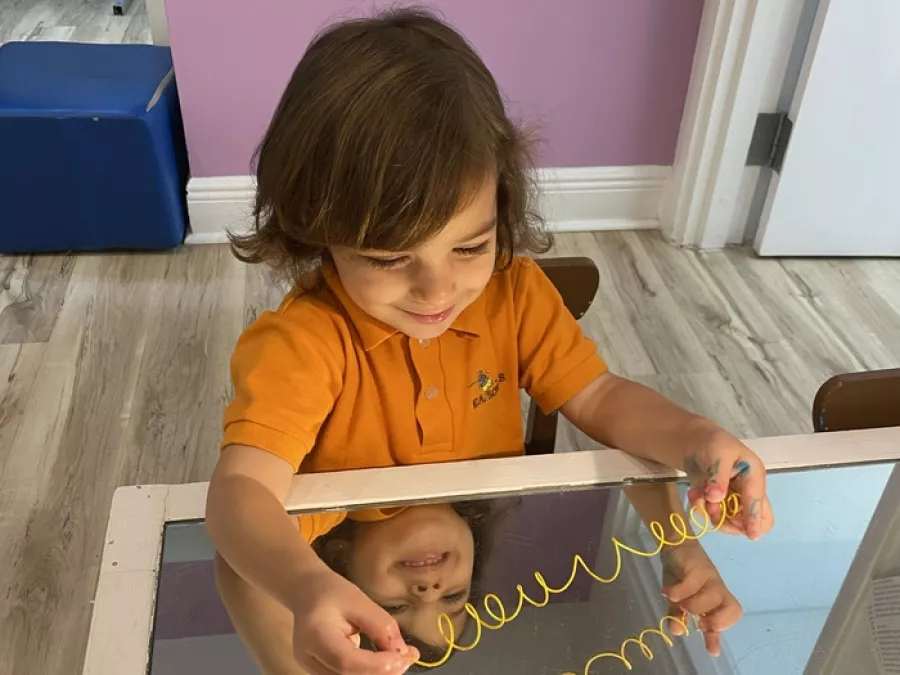
Through open-ended activities like art, sensory exploration, imaginative play, beginner science experiments, music, and collaborative projects, children practice problem-solving, persistence, and creative thinking naturally. Without environments that encourage this type of hands-on discovery, young children may have fewer opportunities to take initiative, make independent choices, and learn through trial and error. These early experiences play an important role in helping children develop confidence in their own thinking and a healthy relationship with learning itself, while also helping minimize summer learning loss through continued engagement and exploration.
3. Exposure to New Environments and Routines
Young children benefit greatly from gradual exposure to environments outside of their usual home and school routines. Summer camp introduces toddlers and preschoolers to different spaces, schedules, activities, teachers, and peer interactions in a way that feels engaging rather than overwhelming. These experiences help children become more adaptable and emotionally flexible during an important stage of development.
Children who do not experience these types of transitions regularly may have fewer opportunities to practice adjusting to change in supportive group settings. Learning how to move between activities, participate in unfamiliar routines, and feel comfortable in new environments helps children build resilience and confidence over time. These early experiences can make future transitions, such as starting preschool, kindergarten, extracurricular programs, or new social environments, feel more manageable because children have already practiced adapting to situations outside their everyday routines.
Summer camp is not a requirement for healthy childhood development. However, for toddlers and preschoolers, camp can provide a unique combination of movement, exploration, and social interaction that supports important developmental milestones during the early years. At this stage of childhood, learning is deeply connected to experience. That is why opportunities to play outdoors, explore freely, adapt to new routines, and engage in hands-on learning all contribute to the growth of confidence, curiosity, and emotional resilience while helping reduce summer learning loss during important stages of early childhood development. While children may not fall behind without camp, they may miss experiences that help shape how they interact with the world, approach challenges, and develop confidence in themselves during some of their most formative years.
Even for parents who live in the surrounding areas of our preschool in North Bay Village and are looking for a Miami Shores daycare that supports this kind of early growth year-round, they choose our school because it offers a nurturing environment where these developmental experiences happen every day.