
What to Look for in a Daycare in Florida
Topics: School Life
Age Range: Preschool
Families across Florida search for early childhood programs that nurture curiosity, confidence, and independence. The state offers a wide range of childcare environments, so parents often feel overwhelmed as they compare philosophies, safety standards, and enrichment options. Knowing how to choose a preschool or daycare requires thoughtful observation and meaningful conversations. A clear understanding of essential criteria helps families choose a place that supports growth, stability, and joyful learning.
Parents often ask what to look for in a daycare in Florida, because the perfect match goes beyond convenience or cost. A quality center builds emotional security, encourages exploration, and creates a purposeful rhythm in a child’s day. Florida’s diverse communities also influence how programs design learning spaces, respond to cultural needs, and structure outdoor activities under the state’s warm climate.
Understanding Program Philosophy and Learning Frameworks
Early learning centers in Florida follow a variety of educational approaches. Some use project-based methods, inquiry-driven exploration, or Reggio-inspired environments. Other programs rely on thematic instruction, structured lesson plans, or literacy-focused routines. Parents benefit from touring classrooms, noticing how educators encourage problem solving, observing whether children communicate freely, and asking how teachers document progress.
A strong philosophy creates consistency throughout the center. Families should notice artwork that reflects children’s ideas, materials organized within reach, and activities that highlight creativity. When a program holds a coherent vision, children gain confidence because they understand expectations and feel supported through predictable experiences.
Evaluating Safety Procedures and Health Standards
Florida daycare centers must follow regulations that protect children physically and emotionally. Families should look closely at teacher supervision, entry security, sanitation practices, and emergency planning. Doors must be locked, outdoor spaces must be fenced, and staff must remain attentive during transitions.
Health routines matter as much as safety protocols. Clean classrooms reduce illnesses, and caregivers must follow strict handwashing rules. Parents should ask how teachers handle food allergies, administer medication, and monitor hydration during warm months. Transparent communication around health events builds trust between families and staff.
Observing Teacher Interactions and Classroom Relationships
Children thrive when caregivers create warm, responsive relationships. The best educators greet children with enthusiasm, listen attentively, and guide conversations that expand language skills. Parents benefit from watching how teachers resolve conflicts, encourage teamwork, and support emotional regulation.
A nurturing environment promotes social development. Children who feel acknowledged gain confidence and enjoy participating in group activities. Teachers who skillfully model empathy help children understand feelings, respect differences, and collaborate during play.
Reviewing Staff Qualifications and Ongoing Training
Knowledgeable educators strengthen every aspect of a childcare program. Florida encourages professional development through certifications, continuing education, and early childhood coursework. Families should check that teachers hold credentials, understand age-appropriate milestones, and demonstrate commitment to growth.
Programs that invest in training maintain a high standard of care. Educators who study new research adopt fresh teaching strategies and respond effectively to children with varying learning styles. Consistent staff retention also matters because it gives children stability and helps classrooms develop a strong sense of community.
Analyzing Classroom Layout and Enrichment Materials
Children learn best through hands-on exploration. Daycare centers must curate environments filled with meaningful materials that encourage problem-solving and imagination. Parents should look for natural items, art supplies, sensory tools, building elements, books, and outdoor equipment. Every item should serve a purpose and spark curiosity.
A well-designed classroom provides spaces for movement, collaboration, and quiet reflection. Defined areas help children transition smoothly between activities and support independence. When materials align with the program’s philosophy, children discover new interests and experiment freely.
Checking Ratios, Group Sizes, and Daily Transitions
Family satisfaction often depends on how many children share a classroom. Florida regulations outline specific ratios for each age group, yet high-quality programs usually maintain lower numbers. Smaller groups create more opportunities for one-on-one interaction, deeper conversations, and individualized support.
Daily transitions reveal the true nature of a center’s workflow. Parents should observe how teachers guide children from playtime to meals, from outdoor activities to rest periods, and from arrival to dismissal. Smooth routines help children feel secure and contribute to a peaceful atmosphere.
Investigating Communication Practices and Family Partnerships
Trust grows when parents and teachers communicate clearly and consistently. The strongest daycares use multiple channels, such as in-person talks, progress notes, apps, or photo updates. Families should receive insight into developmental milestones, classroom projects, and upcoming events.
Collaboration between home and school builds a foundation for long-term success. Educators who welcome family input create inclusive learning communities. Parents appreciate opportunities to discuss goals, share cultural traditions, and participate in classroom activities. Open dialogue ensures that children receive support that aligns with family values.
Evaluating Nutrition, Meal Routines, and Healthy Habits
Healthy eating supports development and energy levels. Parents should ask about menu planning, food preparation, and allergy accommodations. Programs that serve fresh produce, whole grains, and balanced meals help children understand healthy choices from an early age.
Mealtime routines influence social skills. Teachers who join children at the table create opportunities for conversation, encourage manners, and model healthy habits. Hydration practices are essential in Florida’s climate, so families benefit from reviewing how often children drink water during outdoor play.
Exploring Outdoor Learning and Nature Integration
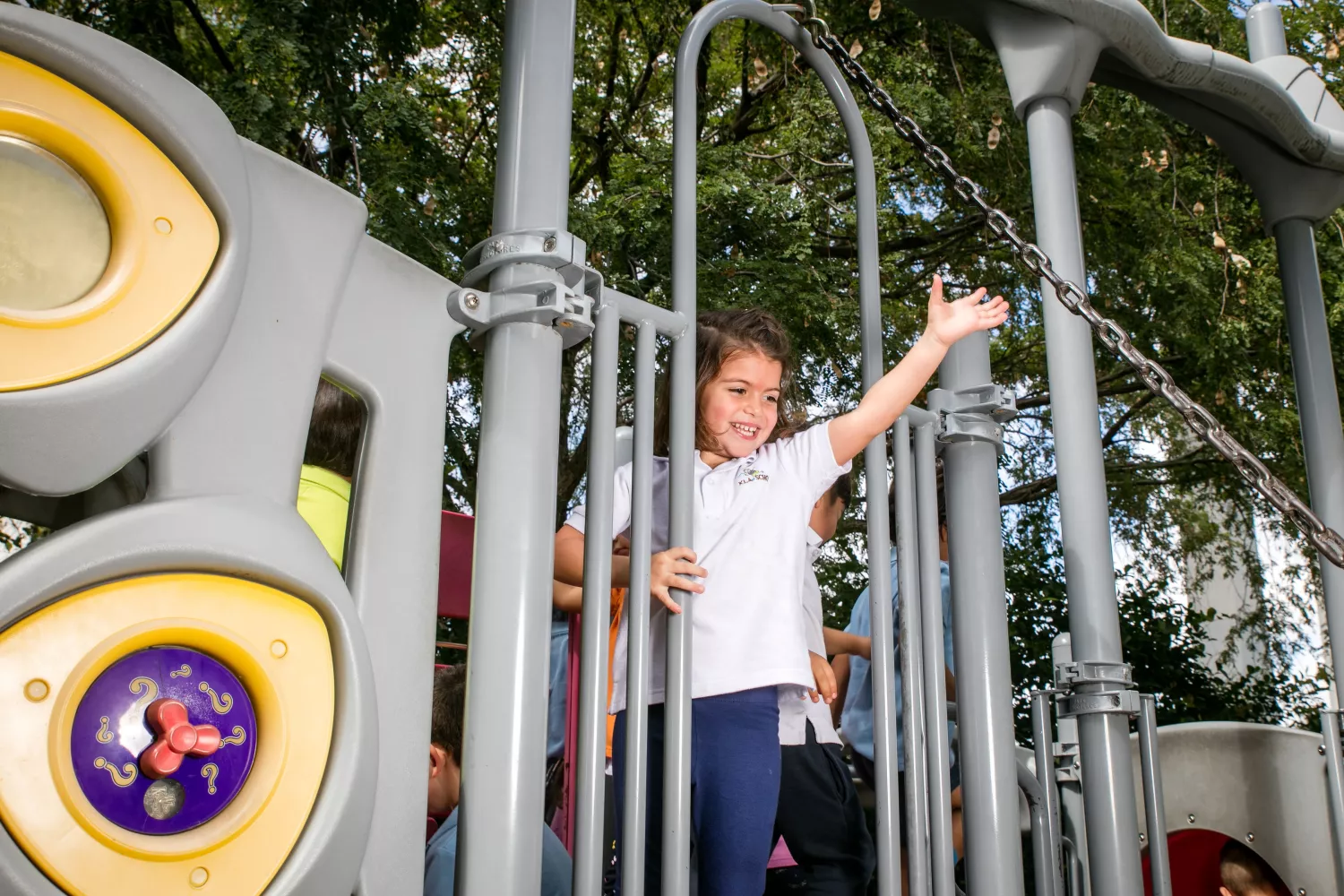
Florida’s weather allows frequent outdoor exploration. A strong daycare creates inviting play areas that promote gross motor development, sensory experiences, and scientific discovery. Parents should look for shade structures, safe equipment, gardens, and space for imaginative play.
Nature-rich environments encourage children to investigate textures, observe insects, or experiment with water play. Outdoor learning strengthens resilience, supports physical health, and helps children connect with the world around them.
Assessing Cultural Inclusion and Emotional Support Systems
Florida's diverse population means inclusive childcare environments benefit every family. Parents should look for multicultural books, bilingual materials, and celebrations that represent various traditions. Respect for identity builds confidence and encourages children to appreciate differences.
Emotional support systems shape children’s sense of belonging. Teachers who guide children through feelings, offer comfort, and model respectful conflict resolution create a stable foundation for well-being. Families should feel welcomed, heard, and valued from the moment they enter the center.
Studying Curriculum Planning and Documentation Practices
Purposeful learning requires structure and flexibility. Firm Florida daycares design plans that respond to children’s interests while incorporating developmental goals. Parents should ask how teachers choose themes, design projects, and integrate literacy, math, science, and art.
Documentation reveals how children progress. Programs often use portfolios, photos, journals, or displays that highlight discoveries. These records help families understand how their children learn and provide insight into classroom culture.
Exploring Enrollment Policies and Administrative Organization
Clear policies create reliability. Parents benefit from reviewing hours of operation, daycare cost, holiday schedules, and illness procedures. Organized administration ensures smooth enrollment and responsible decision-making. Responsive directors also help with transitions, such as adjusting schedules or supporting children as they move to new classrooms.
Programs with transparent policies help families plan and reduce stress. Administrative clarity strengthens trust and encourages long-term enrollment.
Choose the Right Florida Daycare for Your Child
Choosing the right Florida daycare requires thoughtful observation and meaningful conversations. Families gain clarity when they focus on philosophy, safety, teacher relationships, and the overall environment. Each program offers a unique blend of learning experiences, so a thorough visit helps parents see how a center approaches care and education. A confident decision is made when families align their values with a nurturing, engaging space that supports every child’s potential.
Families comparing daycare options often find themselves drawn to KLA Schools for its blend of nurturing care and purposeful early education. Guided by a Reggio Emilia–inspired philosophy, KLA Schools invites children to explore, create, and collaborate through open-ended materials and thoughtfully designed learning spaces. Teachers carefully observe each child, developing projects around their curiosities and supporting social growth through cooperative problem-solving and shared discovery. Touring a campus gives parents a clear sense of how this approach works in practice, from classroom interactions to educator communication styles. Since tuition and program offerings differ by location, reaching out to the nearest KLA Schools campus helps families gather accurate details and determine whether the school’s philosophy aligns with their child’s needs and their own educational priorities.
Quick Checklist for Touring a Florida Daycare
Parents often appreciate a fast reference guide while visiting centers. This list gives families a clear set of details to observe during walkthroughs.
- Teachers greet children warmly and stay engaged throughout activities.
- Classrooms feel organized, inviting, and filled with purposeful materials.
- Outdoor areas include shade, safe surfaces, and opportunities for discovery.
- Daily routines flow smoothly without long waits.
- Health policies appear clear and consistently practiced.
- Staff members answer questions confidently and explain their approach.
- Children interact respectfully and appear genuinely involved in learning.
- Security features restrict access to authorized individuals only.
- Nutrition plans highlight fresh foods and thoughtful allergy accommodations.
- Families receive regular communication about progress and classroom projects.
A quick look back at these points helps you recognize which daycare truly supports your child. Trust what you observe, trust your instincts, and choose the environment that feels safe, warm, and genuinely enriching.