What to Look for in a Reggio Emilia Curriculum
Topics: Child Development
Age Range: Preschool
Early childhood educators often say that young learners construct understanding through exploration, experimentation, and meaningful relationships. This belief aligns with the Reggio Emilia philosophy, which views children as capable thinkers who express themselves in many ways. In this approach, learning flourishes when children communicate ideas through various creative and intellectual “languages.” These include painting, clay, music, dramatic play, nature investigation, building materials, drawing, early writing, and movement. Each expressive channel supports deeper comprehension and invites children to interpret their surroundings with confidence.
Families who want an educational environment that respects curiosity often seek programs grounded in the Reggio Emilia curriculum. Understanding what to look for helps parents choose an experience that genuinely reflects the philosophy rather than a diluted version. A strong program blends intentional design, flexible routines, and responsive teaching practices that support cognitive, social, emotional, and physical development.
Learning Environments That Function as Active Teachers
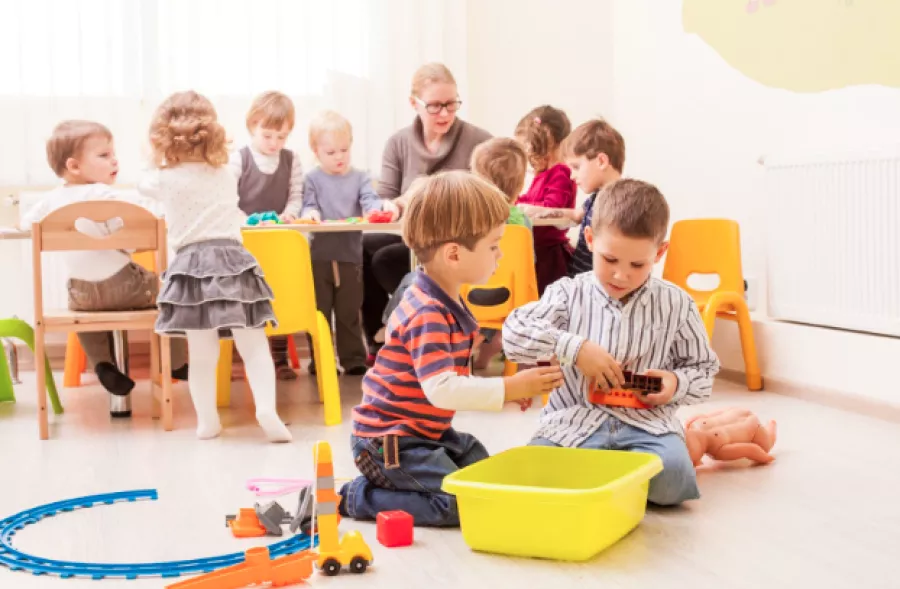
A high-quality Reggio-inspired classroom treats the environment as an educator in its own right. Families should look for spaces that are well-lit, organized, and equipped with accessible learning tools. Children need visually inviting areas that encourage them to investigate ideas, collaborate with peers, and revisit earlier thoughts. Shelves stay open and reachable. Art supplies remain visible rather than hidden behind cabinets. Loose parts such as pinecones, shells, fabric pieces, wire, and wooden pieces offer stimulation that encourages experimentation.
The surroundings evolve as projects unfold. Teachers rearrange areas to reflect new interests or discoveries. Documentation of learning, including photographs, children’s quotes, sketches, and project evidence, often fills the walls. This transparency supports a culture where children see their growth and feel ownership of the space.
A Child-Centered Approach Rooted in Curiosity
A genuine Reggio-inspired program listens closely to children’s inquiries. Learning emerges from conversations, observations, experiences in the community, and children’s own hypotheses. Educators initiate discussions and invite families to share insights about their children’s passions. A child might ask about shadows, and the teacher responds by offering flashlights, translucent objects, reflective surfaces, and books that spark deeper investigation.
Adults guide without dictating. Children build, touch, sort, mix, climb, compare, draw, and create with intention. They answer questions through hands-on experiences rather than worksheets. This multisensory style allows children to make meaningful discoveries that connect academic concepts with real life.
Integrated Learning That Connects Ideas Across Disciplines
Children learn holistically, so strong Reggio-inspired settings integrate concepts rather than isolate them. When a child shows interest in dinosaurs, teachers might introduce math through sorting dinosaur figurines or graphing the sizes of different species. Literacy appears when children dictate stories or label their research drawings. Science becomes tangible as they examine fossils, compare habitats, or build miniature environments in the garden.
Learning feels joyful because it grows from authentic interests. Teachers act as co-researchers, collaborating with children to pursue themes that capture their imagination. This interconnected style strengthens problem-solving abilities and encourages flexible thinking.
Real-World Experiences That Nurture Life Skills
Reggio Emilia educators believe that children gain understanding through direct interaction with their surroundings. A program that stays true to this philosophy provides opportunities to build social skills, early numeracy, and emerging literacy through real contexts. A classroom restaurant reinforces counting, turn-taking, and vocabulary development. A garden offers chances to observe plant growth, record findings, and build responsibility while caring for living things.
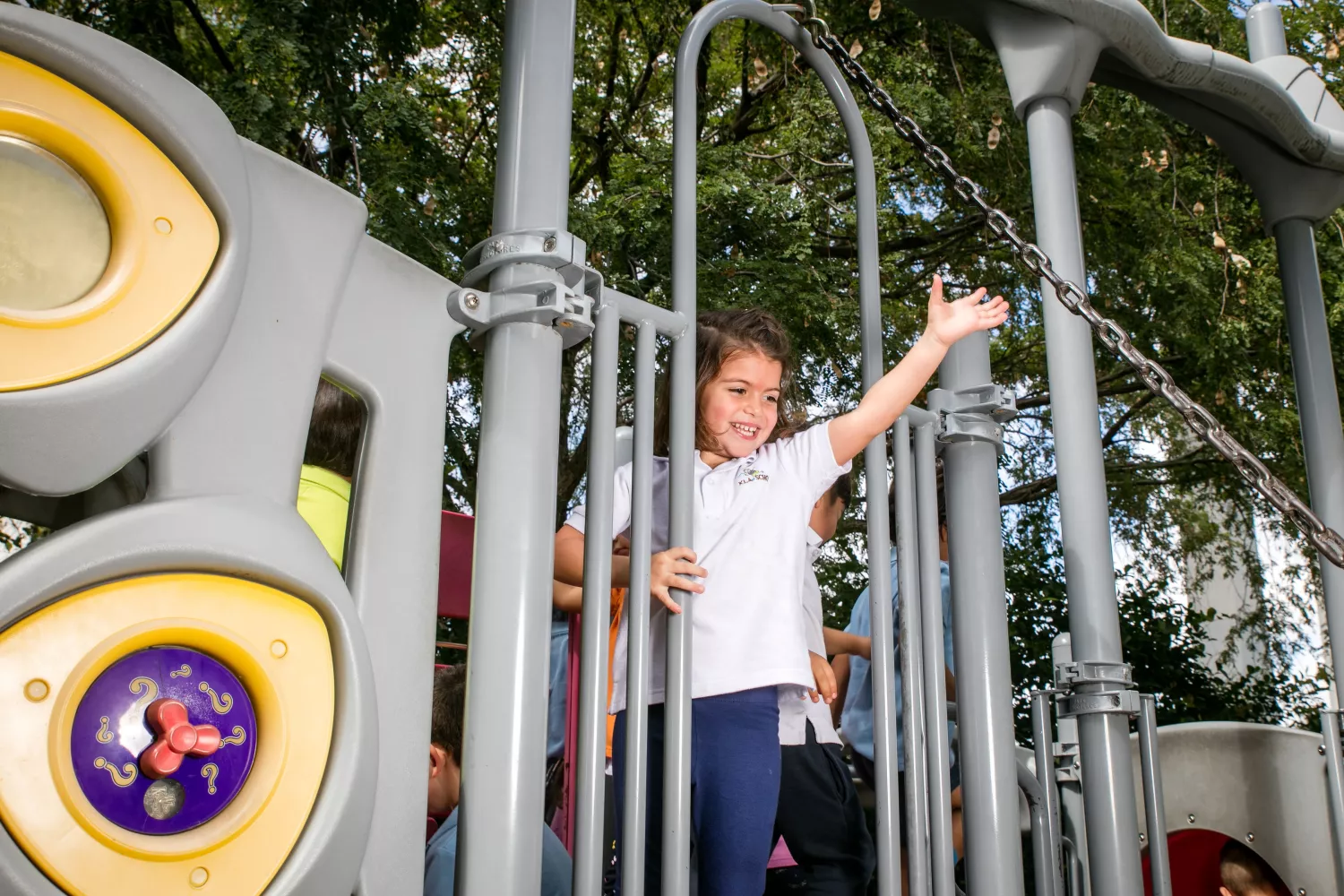
Outdoor spaces also play an essential role. Children dig, climb, measure, collect natural items, and use them as tools for learning. These interactions strengthen coordination, resilience, and scientific reasoning. Programs that value experiential learning encourage children to explore the outdoors daily.
Teacher-Child Relationships That Support Deep Thinking
Reggio Emilia educators view learning as a partnership. Strong relationships help children feel secure enough to take risks and express complex ideas. Look for teachers who engage thoughtfully in conversations with children. These educators ask open-ended questions such as “What do you notice?” or “How could we solve this?” They respond with genuine interest and allow children to take the lead.
Skilled teachers document each child’s process through notes, video clips, photos, and samples of work. They interpret the child’s thinking and share it with families. The documentation guides future learning experiences and serves as a reflection tool for both teacher and child. This practice honors each learner’s individuality and reinforces respect for diverse perspectives.
Collaborative Projects That Encourage Sustained Inquiry
Long-term projects stand at the core of the Reggio approach because extended study promotes analysis, evaluation, and innovation. Projects grow from children’s questions and interests and continue for days, weeks, or even months. During this time, children revisit ideas through drawing, sculpting, writing, interviewing community members, and building models.
These efforts help children develop persistence and collaboration. They learn to negotiate roles, exchange ideas, and refine their theories as they gather new information. A strong Reggio Emilia inspired program embraces the unpredictability of these projects because insights often appear during the process rather than the outcome.
STEAM Integration That Invites Creativity and Experimentation
Reggio Emilia classrooms encourage exploration of STEAM (science, technology, engineering, art, and math) in ways that feel natural rather than forced. Technology appears as a tool for research, documentation, and creative expression. Children photograph their work, record sound experiments, or use simple digital tools to observe patterns.
Engineering arises when children design bridges, build ramps, or create pulley systems from recycled materials. Math becomes relevant when they measure ingredients for clay, graph observations, or compare quantities in meaningful contexts. Art remains central, giving children a rich language for representing ideas. This integrated approach nurtures invention, critical thinking, and imaginative problem-solving.
Family Partnerships That Strengthen Community Connections
A Reggio-inspired setting views families as essential collaborators. Programs often gather insight from parents about their child’s interests, routines, challenges, and strengths. Families may contribute materials, share cultural traditions, or participate in classroom investigations.
Open communication builds trust and helps teachers plan experiences that reflect the community’s identity. A strong curriculum includes regular opportunities for families to view documentation panels, attend exhibitions of student work, and engage in meaningful conversations with teachers.
Evidence of Joy, Engagement, and Purposeful Learning
Children demonstrate genuine engagement when their environment values their ideas. Parents should look for classrooms where children appear deeply absorbed in activities, laughter, questioning, negotiating, and experimenting, which signal that children feel safe to explore and problem-solve.
Children naturally gravitate toward learning spaces that respect their autonomy. They participate enthusiastically when their voices shape the direction of learning. Programs that prioritize agency often produce confident, empathetic, and curious learners who understand their ability to impact the world around them.
A Closing Reflection on Choosing the Right Learning Path
Families who search for a Reggio-inspired setting benefit from observing how each program interprets the philosophy. Look closely at the learning spaces, teacher interactions, documentation practices, project work, and family involvement. An actual Reggio inspired experience encourages children to express ideas through many languages, think critically, collaborate with peers, and engage with the world through curiosity and creativity.
Selecting a Reggio Emilia curriculum that honors these qualities gives children a strong foundation for intellectual discovery and personal growth. When schools embrace the philosophy with authenticity, children gain opportunities to explore, imagine, question, and understand their world with confidence.
Looking for a Place Where Your Child Can Truly Shine?
KLA Schools, a Reggio Emilia–inspired preschool network, offers an environment where children question, create, investigate, and express ideas with confidence. Our classrooms spark imagination with rich materials, collaborative projects, and meaningful conversations that help children understand their world. Teachers work closely with parents to keep families involved at every stage of learning, guiding with intention, listening closely to each child’s interests, and designing experiences that support growth across developmental areas.
When families visit KLA Schools, they see children exploring with joy, building friendships, and developing skills that carry them far beyond early childhood. Anyone searching for a place where children feel inspired, capable, and genuinely excited to learn can find that experience within our community.