Why Giving Preschoolers Choices Builds Confidence and Independence
Topics: Child Development
Age Range: Preschool
School: North Miami Beach
Preschool is a time when children are developing important skills that will shape how they approach learning, relationships, and everyday challenges. The connection between preschool choices and independence is an important part of this development, as everyday decisions give children opportunities to practice confidence, responsibility, and decision-making. One of the simplest ways educators can support these skills is by giving children meaningful choices throughout the school day. From selecting an activity to deciding which materials to use, everyday choices allow preschoolers to practice making decisions in a safe and supportive environment. These moments may seem small, but they allow children to express their preferences, take responsibility, and discover that their decisions can influence what happens around them.
Here are three ways in which giving children choices helps them grow.
1. Choices Boost Children’s Confidence
Making a decision and seeing it work out can give a preschooler a genuine sense of accomplishment. When children are trusted to make appropriate choices, they begin to recognize that they are capable of making decisions and contributing to their classroom environment. In a preschool setting, this can happen throughout the day. A teacher might invite children to choose which materials they want to use for an art project or which area of the classroom they would like to explore. Instead of simply following instructions from adults, children have opportunities to think about what they want and make a decision for themselves.
Choices also communicate an important message, which is that their ideas matter. Young children have preferences, observations, and creative ideas of their own. Giving them opportunities to express those ideas shows that adults value their contributions. For example, a teacher might offer choices such as:
- Choosing materials: “Would you like to use crayons or paint for your artwork?”
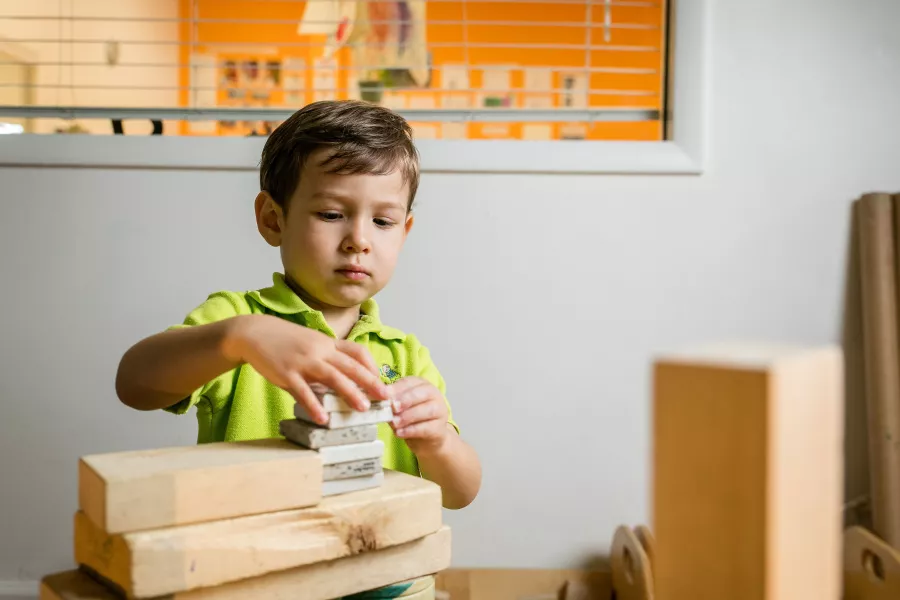
- Choosing an activity: “Would you like to build with blocks or work on a puzzle?”
- Choosing how to participate: “Would you like to read the story with the group or look at the pictures with a teacher?”
Successfully navigating these small decisions can help children feel capable and encourage them to participate more confidently in the classroom.
2. Choices Encourage Autonomy and Independence
As preschoolers grow, they naturally begin to want more control over what they do and how they do it. You may hear phrases like “I can do it!” or “I want to do it myself.” This desire for independence is a natural part of development. Offering choices can help children exercise that growing independence in appropriate ways.
A classroom that provides appropriate choices gives children a structured way to practice this growing independence. Rather than making every decision for children, preschool educators can create opportunities for them to take an active role in their learning and daily routines. The teacher still provides structure and guidance, but the child has some control within those boundaries. For example, during a classroom activity, a teacher might allow children to choose which station they want to visit first. During an art lesson, children may be able to decide what they want to create rather than being expected to make an identical project. Even simple classroom responsibilities can provide opportunities for choice.
When children are trusted to make age-appropriate choices, they begin to develop confidence in their ability to navigate everyday situations. They also learn that independence comes with responsibility. If they want to make a choice, they may also need to follow through with it. Preschool choices and independence can also become part of familiar routines, such as:
- Getting dressed: “Do you want to put on your shoes first or your jacket?”
- Bedtime: “Would you like to read one story or two shorter stories?”
- Cleaning up: “Would you like to put away the books or the toys?”
3. Choices Teach Children That Their Actions Have Consequences
Learning to make decisions also means learning that decisions lead to outcomes. Preschool provides a safe environment for children to begin understanding this connection. When a child chooses an activity, for example, they may discover that they need to wait for a turn, share materials, or clean up when the activity is finished. When they choose a particular material for a project, they may discover that it creates a different result than another material would have. These experiences help children begin developing critical thinking and problem-solving skills. They learn to consider their options, make a decision, observe what happens, and adjust their approach when necessary.
Teachers can encourage this learning by asking simple questions rather than immediately solving problems for children. These conversations help preschoolers connect their choices with outcomes and understand that they can make adjustments when something does not go as expected.
Giving preschoolers choices does not mean allowing them to decide everything. Young children still need consistent routines, clear expectations, and guidance from both their teachers and parents. The goal is to identify appropriate moments throughout the day when children can have a meaningful say. A strong preschool or daycare in North Miami Beach can build these opportunities naturally into learning, play, classroom routines, and social interactions. Each choice gives children another chance to practice thinking independently, expressing themselves, and taking responsibility for their decisions.
Whether a child is choosing between two materials, deciding which learning center to explore, or figuring out how to solve a problem, these everyday moments can have a lasting impact. By creating meaningful opportunities for preschool choices and independence, educators help children build the confidence, decision-making skills, and sense of responsibility they need to become active, capable learners.