Why is Your Child's Learning Environment So Important?
Topics: Child Development
Age Range: Preschool
When parents think about early childhood education, they often focus on curriculum, teaching methods, or academic outcomes. In Reggio Emilia–inspired preschools, however, learning begins with something more fundamental. The environment itself plays an active role in children’s development.
Every detail of a learning space communicates a message to children about who they are, what they are capable of, and how learning happens. Light, layout, materials, relationships, and routines all influence motivation, emotional security, independence, and curiosity. Long before words are spoken, the environment begins teaching.
In Reggio Emilia–inspired schools, the learning environment is intentionally designed to support exploration, collaboration, and confidence. When children feel safe, respected, and inspired by their surroundings, learning becomes meaningful and joyful rather than forced.
The Environment as the Third Teacher
Reggio Emilia philosophy recognizes the environment as the third teacher alongside children and educators. Classrooms are not static spaces. They evolve based on children’s interests, questions, and discoveries.
A well-prepared learning environment supports curiosity and independence while reflecting values such as respect, cooperation, and resilience. Children are encouraged to touch, observe, revisit ideas, and express themselves through many forms of communication.
When environments are thoughtfully designed, children feel a strong sense of belonging. This emotional security allows them to engage deeply, take risks, and view learning as a natural part of everyday life.
The Psychological Impact of Daily Learning Spaces
Young children are susceptible to their surroundings. Colors, sounds, organization, and lighting can either calm or overwhelm them. A thoughtfully designed learning space reduces anxiety and creates a sense of predictability and comfort.
Soft lighting, natural materials, defined areas for different activities, and consistent routines help children understand expectations. This clarity supports emotional regulation and allows children to focus on creativity, problem-solving, and collaboration.
When children feel emotionally safe and valued, they are more likely to engage respectfully with peers and adults. Over time, this sense of stability strengthens self-esteem and social confidence.
How Physical Design Supports Cognitive Growth
The physical structure of a learning space directly affects how children think, move, and interact. Open layouts encourage collaboration and communication, while quiet areas provide opportunities for reflection and independent exploration.
Furniture scaled to a child’s size fosters autonomy and responsibility. Natural light improves mood and concentration, while access to outdoor spaces supports sensory development and physical well-being.
Materials play a critical role in learning. Open-ended resources such as blocks, loose parts, art materials, and books within reach invite experimentation. When children can choose how to engage with materials, they develop critical thinking, decision-making skills, and creativity.
A balanced environment offers rich stimulation without clutter, helping children process information effectively.
Learning as a Social Experience
Learning in early childhood is profoundly social. Children build understanding through conversation, cooperation, and shared experiences. Group seating and flexible gathering areas encourage discussion, teamwork, and collective problem-solving.
Clear expectations around kindness, listening, and respect help create a positive classroom culture. In a supportive learning environment, mistakes are seen as opportunities for growth rather than failures.
Educators play an essential role by modeling curiosity, empathy, and respectful communication. Their tone, body language, and responsiveness shape how children interact with others and express their ideas.
Emotional Safety as the Foundation for Learning
Emotional well-being and learning are closely connected. Children who feel safe are more willing to take intellectual risks, attempt new challenges, and share original ideas.
Consistent routines help children feel secure and in control. Clear boundaries paired with warmth and trust create an atmosphere where learning can flourish.
Access to calm spaces and supportive adults helps children navigate challenging emotions and return to learning with confidence and resilience.
Sensory Balance and Focus
Children experience the world through their senses. Noise levels, textures, visual stimuli, and opportunities for movement all influence attention and comfort.
A thoughtfully designed sensory environment includes quiet zones, tactile materials, and flexible spaces that support different learning styles and needs. This approach is essential for young children and those who need additional sensory regulation.
Rather than forcing uniform behavior, a responsive learning environment adapts to individual differences and supports emotional regulation and focus.
Encouraging Independence Through the Environment
Independence grows when children feel capable and trusted. Learning environments that encourage choice allow children to take ownership of their experiences.
Clearly labeled materials, accessible shelves, and defined activity areas promote self-direction and responsibility. When children manage resources, select tasks, and revisit ideas independently, they build confidence, persistence, and organizational skills.
Guidance from educators remains present, but learning is driven by curiosity and engagement rather than compliance.
Learning Beyond the Classroom
Learning does not stop at the classroom door. Home environments also play a key role in reinforcing positive habits and emotional security.
Simple practices such as establishing consistent routines, creating quiet spaces, reading together, and encouraging creative play help support cognitive and emotional development. When home and preschool environments align, children experience continuity and stability.
A supportive learning environment at home emphasizes encouragement over pressure and helps children see learning as a meaningful part of daily life.
How Parents Can Evaluate Learning Environments
When choosing a preschool or designing a learning space at home, parents can look for intentional design and responsiveness to children’s needs. Helpful questions include:
- Are materials easily accessible to children?
- Do spaces support both group collaboration and independent exploration?
- Is the environment calm, organized, and inviting?
- Do educators encourage learning that originates from children’s interests?
A high-quality learning environment respects individuality, supports emotional expression, and encourages deep thinking.
Why Families Choose Reggio Emilia–Inspired Schools
Families are drawn to Reggio Emilia–inspired schools because they respect children as capable, curious learners. These schools emphasize exploration, creativity, and collaboration rather than rigid instruction.
Learning follows children’s interests, keeping them engaged and motivated. Carefully designed classrooms with natural materials, open spaces, and calm layouts support focus and independence.
Strong relationships between children, teachers, and families are central. Shared documentation, open communication, and collaboration give families confidence that learning is meaningful and respectful.
A Living Example: KLA Schools
Families looking for a place where their children feel truly seen, supported, and inspired often find a sense of home at KLA Schools. As a Reggio Emilia–inspired preschool network, KLA Schools thoughtfully designs each environment to support children’s natural curiosity, well-being, and joy in learning.
Every school is created with both safety and purpose in mind. Bright, welcoming classrooms and shared spaces invite children to explore and connect, while wide corridors and large windows allow natural light to flow throughout the building. The presence of plants, natural materials, and soft, calming colors helps create a peaceful atmosphere where children can feel relaxed, comfortable, and ready to learn.
Children’s safety and health are always a top priority. Each school is carefully secured with protective fencing, locked doors, and controlled access for registered families and guests. Educators are trained in pediatric first aid and CPR, and classrooms are maintained with great care and attention to cleanliness. Health and safety practices follow guidance from the Centers for Disease Control and Prevention, giving families confidence and peace of mind each day.
Classrooms
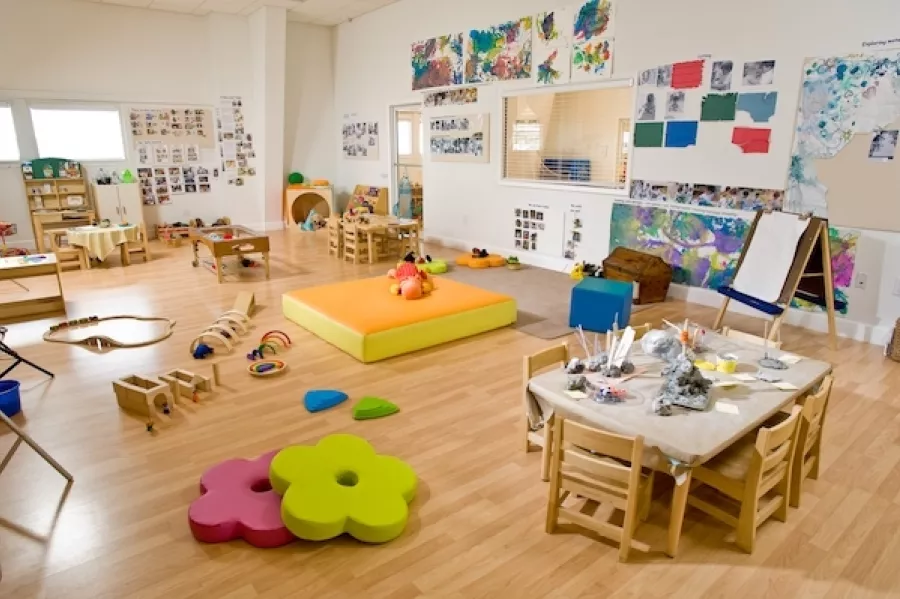
Classrooms are spacious, organized, and aesthetically beautiful. Natural, recycled, and open-ended materials invite manipulation and exploration. The environment reflects intentional design, and children’s work is visible throughout the space as evidence of thinking and learning.
Outdoor Spaces
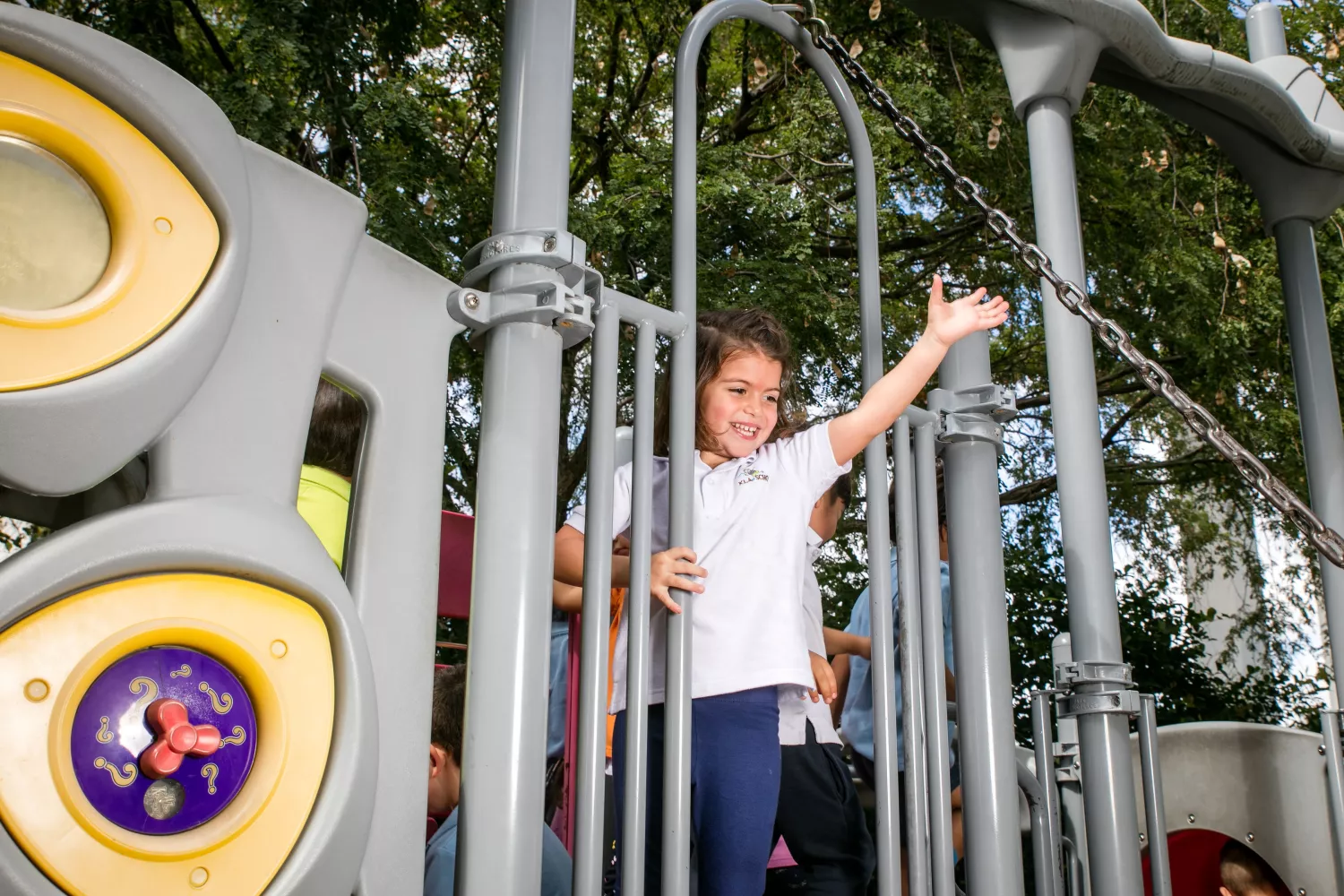
Outdoor environments are an integral part of each classroom’s curriculum. Children express themselves physically, build social relationships, and develop gross motor skills through free play and physical education experiences that support coordination, healthy habits, and teamwork.
KLA Plus and School-Age Space
KLA Plus classrooms allow children to explore music, dance, art, and technology while also offering a quiet, cozy space for elementary-aged children in before and after-school programs to complete homework, read, or spend time with friends.
The Atelier
The Atelier welcomes children into an inspiring studio filled with natural and human-made materials. Clay, paper, fabric, wire, light, beads, shells, leaves, and wood support exploration of the visual arts and the many languages of expression. Children work individually or in small groups to communicate ideas through different media.
The Piazza
Classrooms are arranged around a central gathering space known as the piazza. This shared area serves as the heart of the school, supporting reading together, displaying artwork, and sharing experiences across classrooms. Families often gather here at the end of the day and during school events.
Teacher Workspaces
Educators collaborate in dedicated workspaces and engage in continual professional development focused on the Reggio Emilia approach. Teachers observe children, share documentation, plan projects together, and consider how families can be meaningfully involved in the learning process.
We invite you to contact us and visit a KLA Schools location in person to experience the warmth of our learning environments, meet our educators, and see firsthand how thoughtfully designed spaces support children’s growth, curiosity, and sense of belonging.
Creating Learning Spaces That Truly Matter
A child’s environment shapes how they think, feel, and grow. From emotional security to cognitive development, every detail matters.
When learning environments are designed with intention, respect, and care, children flourish socially, emotionally, and intellectually. Thoughtful spaces lay the foundation for confidence, creativity, and lifelong learning.