Conscious Parenting
Executive Summary
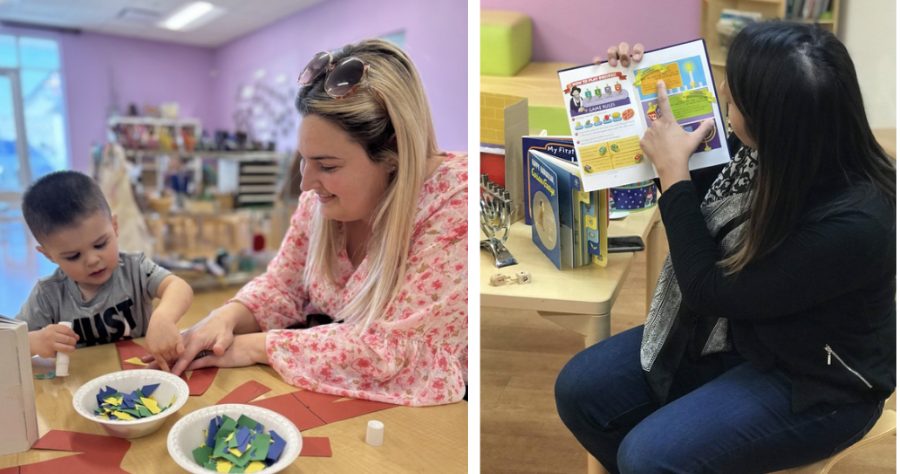
Conscious parenting is a modern approach that emphasizes nurturing a child’s emotional and psychological well-being by fostering emotional intelligence, empathy, and resilience. Unlike traditional authoritarian styles, conscious parenting emphasizes the connection between parent and child, promoting mindfulness and self-awareness. This whitepaper will offer practical guidance on how to apply conscious parenting principles, including validating children’s emotions, building resilience, and promoting empathy in the parent-child relationship. It will also explore how conscious parenting fosters the personal growth of both parents and children, enabling families to develop deeper, more supportive connections.
At the same time, this parenting method encourages parents to become more self-aware, ensuring that their emotional responses and behaviors are constructive, supportive, and aligned with their child’s needs.
This approach is particularly relevant today, where emotional well-being is increasingly recognized as a crucial component of overall development. By helping children identify and manage their emotions while modeling healthy ways to handle stress, conscious parenting equips children with the tools to thrive emotionally and socially.
"The way we talk to our children becomes their inner voice."
Parenting with Purpose
Conscious parenting fundamentally differs from traditional, authoritarian approaches emphasizing control, obedience, and discipline. Instead, conscious parenting encourages parents to engage with their children mindfully, fostering a deeper understanding of their emotions and their children’s emotional needs.
Understanding Conscious Parenting
Key Differences from Traditional Parenting:
Traditional parenting often focuses on controlling a child’s behavior through discipline and punishment.
Conscious parenting, on the other hand, focuses on connection and understanding to guide the child’s emotional and psychological developmen
Importance of Self-Awareness in Parenting:
Conscious parenting begins with the parents’ self-awareness. Parents need to recognize their own triggers, emotional reactions, and behavior patterns to avoid reacting impulsively. For example, a parent’s frustration might stem from their own unmet needs rather than their child’s behavior.
By practicing mindfulness, parents can respond to their child’s behavior with empathy and clarity, promoting a more positive and supportive relationship.
Building Emotional Intelligence
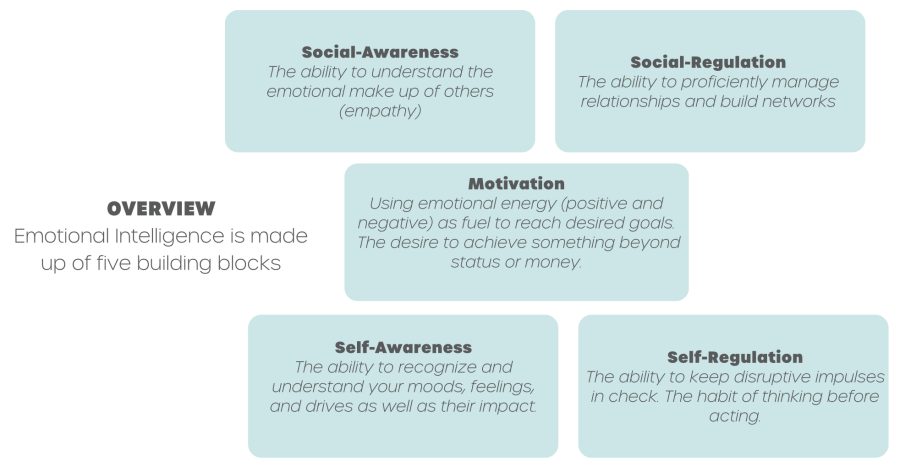
Emotional intelligence is the ability to recognize, understand, and manage emotions in oneself and others. For children, emotional intelligence is a key skill contributing to their social and emotional well-being.
Validating a Child’s Emotions:
Children’s feelings should be validated, not dismissed. When parents acknowledge their child’s emotions, it helps the child feel understood and safe. For example, if a child is upset about a minor issue, rather than saying, “It’s no big deal,” a parent could respond, “I can see that you’re feeling sad about this, and that’s okay.”
Practical Tips for Building Emotional Intelligence:
Active Listening: Take time to listen to your child without judgment or immediate solutions, truly. This helps children feel heard and teaches them to process their emotions.
Empathy: Practice putting yourself in your child’s shoes. Empathy helps children learn how to connect with others and understand different perspectives.
Create a Safe Space: Encourage open communication by providing a safe space where your child feels comfortable expressing their feelings without fear of judgment or punishment.
By teaching children to identify and articulate their emotions, parents help them build emotional intelligence, which is crucial for navigating relationships and managing stress.
Fostering Resilience in Children
Encouraging Problem-Solving Skills:
Rather than stepping in to solve every problem for their children, parents should guide them in finding solutions. For example, if a child is frustrated by a difficult homework assignment, a parent could ask guiding questions that help the child think through the problem themselves instead of giving them the answers.
Teaching Independence:
Building resilience involves allowing children to experience failure and learn from it. Overprotecting or shielding children from difficulties can hinder their ability to cope with challenges in the future.
Modeling Healthy Stress Management:
Children learn resilience by watching how their parents handle stress. Parents who model healthy stress management techniques—such as deep breathing, mindfulness, or talking through their challenges—teach their children to adopt these strategies when faced with their own problems.
Allowing children to take responsibility for their actions while providing guidance and support helps them develop resilience and the confidence to handle life’s inevitable ups and downs.
Parenting with Empathy and Connection
Empathy is at the heart of conscious parenting. When parents approach their children with empathy, they foster a deeper emotional connection, ensuring that discipline and boundaries are rooted in understanding rather than punishment.
Empathy in Discipline:
Discipline should be supportive, not punitive. When setting boundaries, parents can explain why a rule is in place and how it benefits the child. For example, instead of simply enforcing a curfew, parents can explain that the rule is in place to ensure their child’s safety and well-being.
Setting Boundaries with Love:
Boundaries are necessary for a child’s development but should be set with empathy and respect. Clear, loving boundaries teach children about responsibility and self-control.
Reinforcing Positive Behavior:
Parents should reinforce positive behavior with praise and encouragement instead of focusing solely on correcting negative behavior. This builds a child’s self-esteem and motivates them to continue making good choices.
The KLA Connection
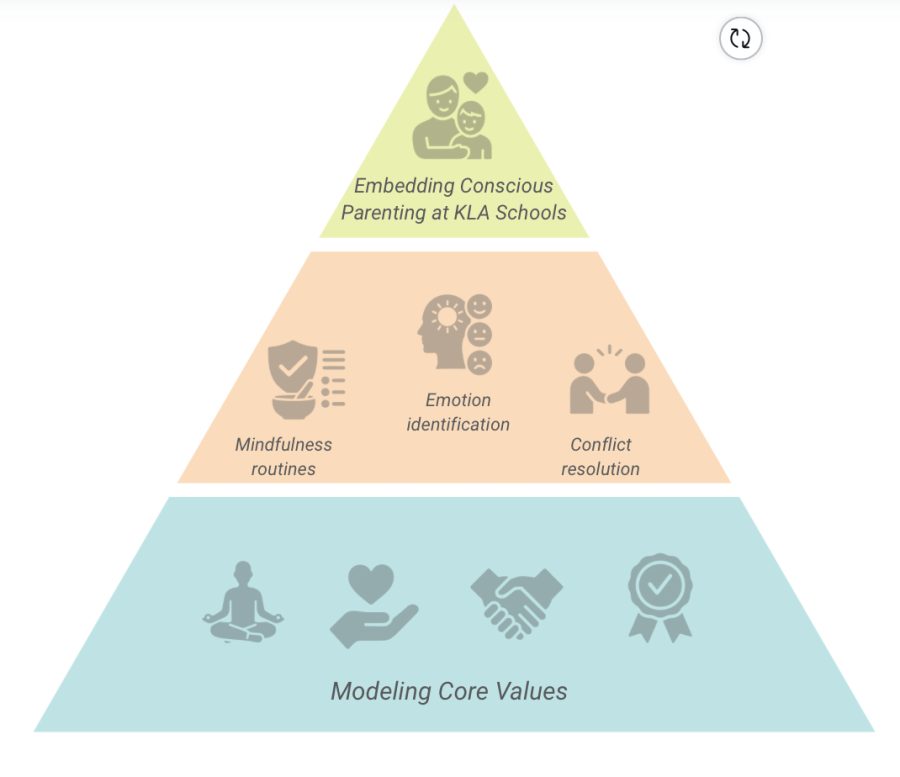
At KLA Schools, the principles of conscious parenting are deeply embedded in our daily educational practices. Our approach emphasizes emotional intelligence, empathy, and resilience—core pillars of conscious parenting. Through intentional experiences, open-ended provocations, and daily mindfulness routines, we nurture children's social-emotional growth in a way that honors their individuality and fosters self-awareness. Whether it's using a singing bowl to regulate breathing, identifying emotions through expressive visuals, or solving peer conflicts with teacher-guided questions, children are supported in understanding and managing their emotions with empathy and independence.
We also cultivate a culture grounded in our 12 Core Values, including respect, responsibility, caring, and trust. These values are actively modeled by teachers and acknowledged by students throughout the school day. Our educators scaffold learning through thoughtful dialogue, guiding students to problem-solve rather than imposing quick solutions. This aligns with the emphasis on conscious parenting, which focuses on validating emotions and promoting resilience. By creating an environment where emotional well-being and mutual respect are prioritized, KLA Schools becomes not only a place of learning but also a living model of conscious parenting principles in action.
References:
Books
The Whole-Brain Child: 12 Revolutionary Strategies to Nurture Your Child's Developing Mind. Authors: Daniel J. Siegel, M.D. & Tina Payne Bryson, Ph.D.
Raising an Emotionally Intelligent Child: The Heart of Parenting. Author: John M. Gottman, Ph.D.
The Conscious Parent: Transforming Ourselves, Empowering Our Children. Author: Dr. Shefali Tsabary
Emotional Intelligence: Why It Can Matter More Than IQ. Author: Daniel Goleman
Websites
Siegel, D. J., & Bryson, T. P. (2011). The Whole-Brain Child: 12 Revolutionary Strategies to Nurture Your Child's Developing Mind. Random House.
A book that explores brain development in children and offers parenting strategies aligned with conscious parenting.
Gottman, J. M. (1997). Raising an Emotionally Intelligent Child: The Heart of Parenting. Simon & Schuster.
Provides insights into emotional intelligence and practical ways parents can nurture this in their children.
Brown, B. (2012). Daring Greatly: How the Courage to Be Vulnerable Transforms the Way We Live, Love, Parent, and Lead. Penguin Random House.
Discusses vulnerability, empathy, and connection in parenting and leadership.
American Psychological Association (APA): Resources on building resilience and emotional intelligence in children.
https://www.apa.org/
Harvard Graduate School of Education: Studies on emotional intelligence and the impact of mindful parenting.
https://www.gse.harvard.edu/