Thriving at THREE - Guiding Your Child’s Growth with Confidence
Executive Summary
This white paper serves as a comprehensive guide for parents, caregivers, and early childhood educators seeking to understand the developmental journey of 3-year-old children. It explores the essential milestones that typically emerge during this stage across four critical areas of growth— cognitive development, motor skills (both fine and gross), language and communication abilities, and social-emotional development.
Each section is supported by clear explanations and real-life examples that parents can implement in everyday routines, play, and conversation to reinforce learning and skill-building at home.
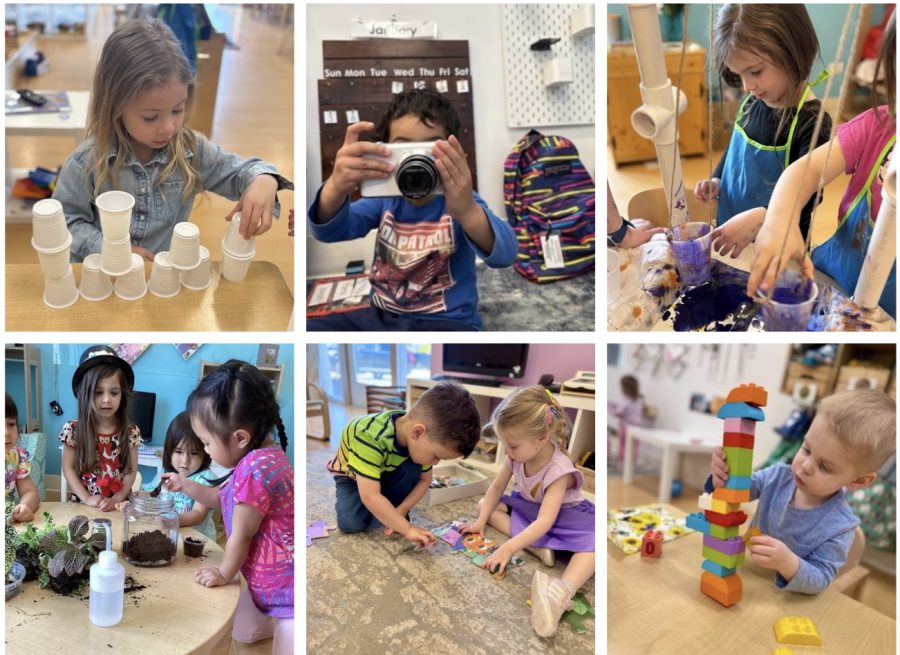
In addition to outlining these foundational developmental areas, the whitepaper also highlights how intentional, everyday interactions—like asking open-ended questions, encouraging exploration, or guiding peer play—can significantly influence a child's growth and confidence.
Beyond developmental domains, the whitepaper includes a focused section on social-emotional learning (SEL), emphasizing the importance of empathy, emotional regulation, and early relationship skills. Parents will find actionable strategies to help their child navigate feelings, build positive connections, and manage behaviors with growing independence.
To further support families, the whitepaper offers a curated list of trusted resources, including expert-recommended books, websites, and tools that extend learning beyond the page. In addition, it provides guidance on how to observe, track, and encourage developmental progress, equipping parents with the confidence and knowledge to support their child’s growth during these formative years.
Core Areas of Development:
Cognitive Development
Example for Parents:At this age, children are beginning to grasp more complex problem-solving and thinking skills. They learn through exploration and play, demonstrating the following milestones:
Problem-Solving: Completing sorting games or sorting objects by shape and color.
Memory and Recognition: Identifying familiar people, objects, and routines.
Symbolic Thinking: Engaging in imaginative play, such as pretending to cook or care for a doll.
Parent Tip: Engage your child in activities like sorting games or asking them to help with simple tasks, such as matching socks or setting the table.
Motor Skills
Example for Parents:Provide opportunities for outdoor play, such as running or riding a tricycle, and encourage indoor activities that enhance fine motor skills, like drawing or using playdough.
Gross Motor: Children at this age can run, jump, and climb with better coordination. They can also kick a ball and balance briefly on one foot.
Fine Motor: Improved hand-eye coordination allows them to use utensils, hold crayons properly, and build towers with blocks.
Language and Communication
By age 3, children’s vocabulary grows rapidly, and they can use simple sentences. They begin to understand basic instructions and ask questions.
Vocabulary Expansion: Children typically know between 200–1,000 words and can form three- to four-word sentences.
Following Directions: They can follow simple multi-step directions (e.g., “Put your toys away and wash your hands”).
Example for Parents:Engage your child in conversations, ask open-ended questions, and read to them daily to encourage language development.
Social-Emotional Development
Three-year-olds are developing their independence but still require reassurance and guidance from caregivers. They begin to play cooperatively with others and can express a wide range of emotions.
Parallel Play: While still engaging in side-by-side play with peers, they begin to interact more directly.
Self-Assertion: Children may express strong preferences and emotions, including frustration, as they seek to assert their independence.
Example for Parents:Encourage cooperative play with peers, such as sharing toys, and help them label and manage their emotions using simple language like, “I see you’re feeling sad. Let’s talk about it.”
Social-Emotional Learning and Examples for Parents
Social-emotional skills are key to a child’s overall well-being. By the age of 3, children begin to develop empathy and understand the emotions of others. Parents play a crucial role in nurturing these abilities:
Self-Control: While children at this age may still struggle with impulse control, they are learning how to manage frustration.Example: Create a calm-down space at home where your child can go when feeling overwhelmed. Offer comfort and help them express their feelings.
Empathy Development: Children begin to recognize when someone is upset and may offer comfort.Example: Model empathetic behavior by talking about feelings. For instance, if a sibling is upset, say, “Your brother is sad because he lost his toy. How can we help him feel better?”
Digital Literacy for 3-Year-Olds
At age 3, children are just beginning to explore technology as part of their learning environment. Digital literacy at this stage focuses on introducing basic technology concepts while fostering curiosity, creativity, and language development through simple, interactive, and age-appropriate activities.
Example Apps:
Sago Mini World: https://sagomini.com/world/Offers exploratory play through games that teach colors, shapes, and simple problem-solving.
Duck Duck Moose's Peek-a-Zoo: https://www.duckduckmoose.com/educational-iphone-itouch-apps-for-kids/peek-a-zoo/Introduces animals, sounds, and emotions through interactive scenarios.
The KLA Connection - Cognitive and Language Development Through Inquiry and Exploration
Digital Literacy with Purpose and Balance
Technology is introduced in thoughtful, age-appropriate ways to enhance—not replace—hands-on learning. Interactive tools are used for storytelling, language enrichment, and creativity while ensuring screen time is limited, guided, and developmentally appropriate.Example: Children might co-create a digital storybook or use a drawing app to extend classroom exploration, always accompanied by teacher dialogue and peer collaboration.
Social-Emotional Growth Through Community and Connection
KLA Schools educators prioritize respectful relationships and emotional safety. We support children in expressing feelings, resolving conflicts peacefully, and building friendships through collaborative group work, reflection, and empathetic language.Example: Teachers guide children to identify emotions by using mirrors, storybooks, and real-life experiences—“How did you feel when your friend helped you?”
Motor Development
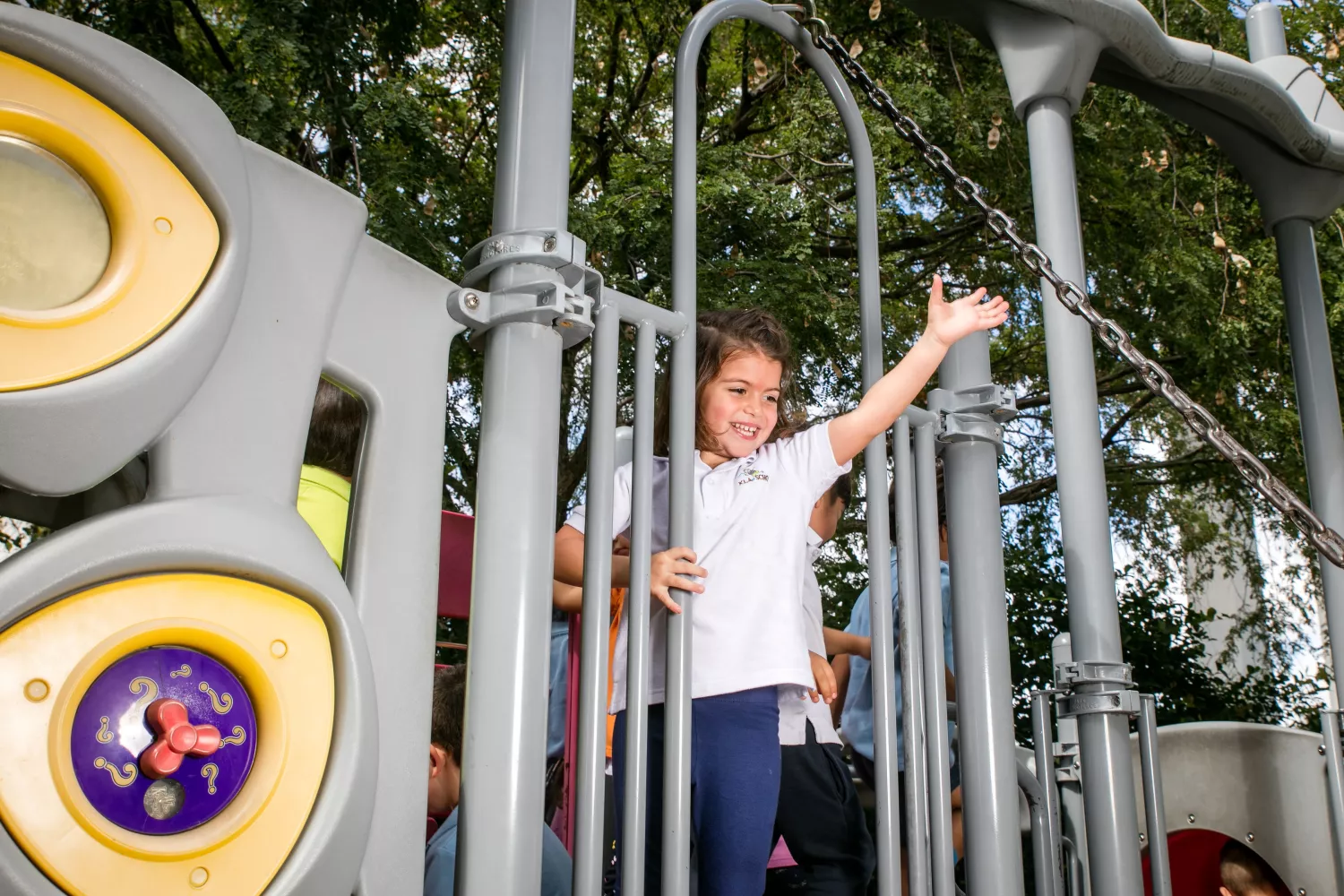
Through Active Play and Fine Motor PracticeOur classrooms and outdoor environments are designed to strengthen both gross and fine motor skills. Climbing structures, balance paths, art ateliers, and sensory stations provide daily opportunities for movement, coordination, and precision.Example: Children might build with natural blocks in the STEM Atelier, squeeze and roll playdough, or participate in yoga sessions that enhance balance and body awareness.
At KLA Schools, we don’t just teach children what to learn—we empower them to love learning. By honoring their voices, supporting their growth across all domains, and building strong partnerships with families, we help every 3-year-old thrive during this important stage of development.
At KLA Schools, we understand that the third year of a child’s life is a period of rapid growth, discovery, and transformation. Our educational environment is thoughtfully designed to nurture the whole child—supporting their cognitive, physical, emotional, and social development through intentional, play-based, and relationship-centered experiences.Example: A child fascinated by rain might engage in a class investigation about weather—drawing clouds, experimenting with water, and learning weather-related vocabulary in the process.
Conclusion
Understanding the developmental milestones of 3-year-old children helps parents provide the support and opportunities necessary for their child’s growth. Encouraging exploration, creating a structured and nurturing environment, and actively engaging in their learning process are essential steps in fostering their overall development.
References
Books:
The Whole-Brain Child by Daniel J. Siegel and Tina Payne Bryson – Strategies for nurturing brain development, emotional regulation, and problem-solving.
Your Three-Year-Old: Friend or Enemy by Louise Bates Ames and Frances L. Ilg – Classic guide to understanding and managing the behaviors of 3-year-olds.
Websites:
Zero to Three – Research-based tools, tips, and articles on early childhood development, brain growth, and responsive caregiving.
CDC’s Developmental Milestones – Detailed milestone checklists, guidance on development, and early intervention tips.
Illinois Early Learning Project – Resources aligned with Illinois Early Learning and Development Standards, including tip sheets, videos, and articles in English and Spanish.
References:
Illinois Early Learning and Development Standards.
Milestone Moments Checklist.