Preschool vs. Pre-K: What’s the Difference and Which One To Choose
Topics: School Life
Age Range: Preschool
If you’ve ever wondered whether your child should be in preschool or pre-kindergarten (pre-K), you’re not alone. Many families use these terms interchangeably because both programs take place before kindergarten, both introduce children to learning environments, and both focus on helping little ones grow socially and academically.
However, there are important distinctions between the two. Understanding what the difference is between preschool and pre-K can help you make the right choice for your child’s age, personality, and learning needs. Choosing between preschool and pre-K is not about which is “better,” but rather which is right for your child right now. This guide will break down the differences, benefits, and considerations of preschool and pre-K, so you feel confident in your decision.
What Is Preschool?
Preschool is often a child’s first formal step into education. It typically begins around 2½ to 4 years old, when children are ready to spend time away from their parents for part of the day.
Key Features of Preschool:
- Age range: 2½ – 4 years old (before the pre-K stage).
- Learning approach: Play-based, exploratory, and hands-on. Children learn naturally by engaging with toys, art, music, and storytelling.
- Focus: Building social skills, fostering early independence, and introducing concepts such as colors, shapes, counting, and letters in a gentle manner.
- Structure: Flexible schedules. Many preschools offer half-day, part-time, or full-day options depending on family needs.
- Environment: Nurturing, less academic, centered around curiosity and interaction with peers.
Why Preschool Matters:
- Children learn how to separate from parents and gain confidence in new environments.
- They begin practicing critical social skills like sharing, turn-taking, and expressing emotions.
- Play introduces early problem-solving, critical thinking, and communication skills.
Preschool lays the foundation of comfort and joy in learning, which is just as crucial as academics at this stage.
What Is Pre-K?
Pre-kindergarten (pre-K) is a more advanced step in early childhood education. It’s designed for children aged 4 to 5, typically the year before they start kindergarten.
Key Features of Pre-K:
- Age range: 4 – 5 years old (immediately before kindergarten).
- Learning approach: More structured than preschool, but still includes play and creativity.
- Focus: Kindergarten readiness, building early literacy, math skills, problem-solving, and group learning abilities.
- Structure: Usually a full-day program with consistent routines similar to kindergarten.
- Environment: Blends academics with hands-on activities, preparing children for the transition into elementary school.
Why Pre-K Matters:
- It strengthens academic readiness, letter recognition, phonics, counting, patterns, and pre-writing skills.
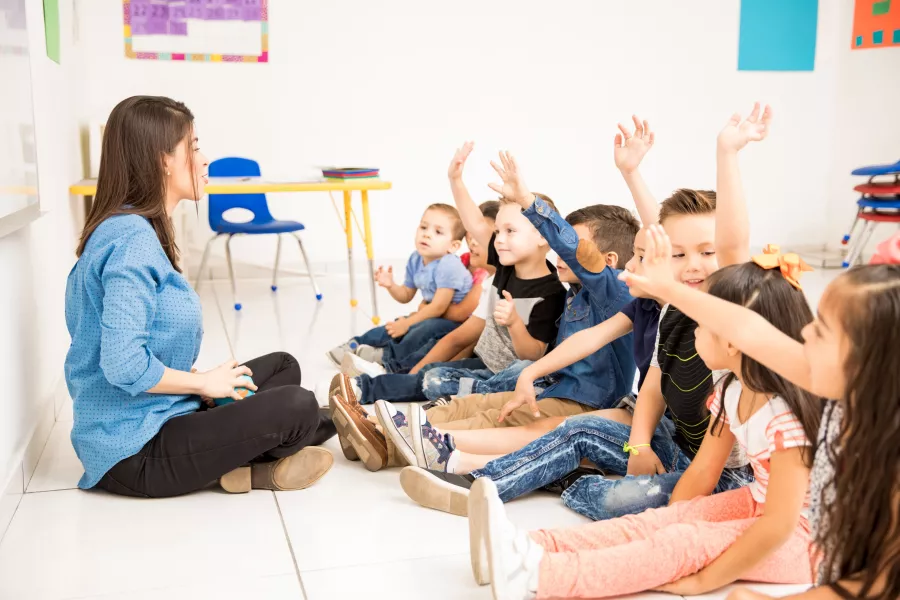
- Children gain familiarity with classroom routines like raising hands, sitting for circle time, and working in groups.
- Pre-K nurtures self-regulation and independence, skills crucial for kindergarten success.
Think of pre-K as the bridge between preschool and kindergarten; it ensures your child enters school with confidence, both socially and academically.
Key Differences Between Preschool and Pre-K
Although both programs serve young children and often share similar philosophies, there are some clear distinctions:
| Aspect | Preschool | Pre-K |
| Age Range | 21/2-4 years old | 4-5 years old (year before kindergarten) |
| Curriculum Focus | Play-based, social-emotional growth, and early skills | Kindergarten readiness, early academics, structure |
| Schedule | Flexible: part-time, half-day, or full-day | Often full-day with consistent routines |
| Environment | Nurturing, exploratory, less academic | More structured, mirrors a kindergarten setting |
| Main Goal | Introduce learning, independence, and social skills | Prepare children academically and socially for kindergarten |
Choosing Preschool or Pre-K: What to Consider
1. Your Child’s Age and Development
- Under 4 years old? Preschool is likely the right choice.
- 4–5 years old and heading to kindergarten soon? Pre-K will give them the skills and confidence they need.
Children develop at different paces; some may be ready for structured learning earlier, while others thrive with more play-based exploration before advancing.
2. Your Child’s Personality
- Preschool: Great for children just starting to build independence, who need a gentle introduction to group settings.
- Pre-K: Ideal for children who are socially comfortable and ready for more structured challenges.
Example: A shy 3-year-old might need time in preschool to adjust, while an eager 4-year-old might be ready for pre-K’s structured learning.
3. Family Goals and Schedules
Preschool often offers more flexibility in scheduling, ideal for families easing into childcare. Pre-K usually mirrors a school schedule, which better prepares families for the structure of kindergarten.
4. Curriculum and Philosophy
Not all preschools or pre-K programs are the same. Some follow Reggio Emilia, Montessori, play-based, or academic models. Consider which approach aligns best with your family’s values and your child’s learning style.
Benefits of Preschool and Pre-K Together
Many families choose preschool first and then transition to pre-K. This step-by-step journey offers children essential advantages:
- Gentle adjustment: Preschool helps children become comfortable with routines, group play, and spending time away from their parents.
- Social growth: Early practice with sharing, cooperation, and communication builds confidence.
- Academic focus at the right time: By pre-K, children are ready to strengthen literacy, math, and problem-solving skills.
- Smooth transition: The combination of both creates consistency and ensures children enter kindergarten confident and well-prepared.
Together, preschool and pre-K provide a balanced path that supports both emotional growth and school readiness.
Common Questions Parents Ask
Q: Can my child skip preschool and go straight to pre-K?
A: Yes, especially if they’re already 4 years old. However, preschool offers valuable early exposure to group learning and social development that can make pre-K easier.
Q: Is pre-K required before kindergarten?
A: In most places, pre-K is not mandatory, but many educators recommend it for stronger school readiness.
Q: Is there a difference between public pre-K and private pre-K?
A: Yes. The state usually funds public pre-K and may follow stricter curriculum standards. Private pre-K programs may offer smaller class sizes and varied teaching philosophies.
Q: How do I know if my child is ready for preschool?
A: Signs of readiness include curiosity, basic independence (like feeding themselves), comfort with short separations from parents, and interest in playing with other children.
Q: At what age is it best to start preschool?
A: Most children begin preschool between ages 2½ and 3, when they are toilet-trained or close to it and can handle short group activities.
Q: Will my child fall behind if they don’t attend preschool?
A: Not necessarily. Many children thrive at home, especially with engaged caregivers. Still, preschool offers structured opportunities for socialization and early learning that are hard to replicate at home.
Q: How is pre-K different from kindergarten?
A: Pre-K focuses on readiness, introducing early academics, social skills, and routines. Kindergarten is a formal school grade with higher expectations in reading, math, and classroom behavior.
Q: What should I look for when choosing between preschool and pre-K?
A: Consider your child’s age, developmental stage, and temperament, along with the school’s philosophy, class sizes, and how well the environment prepares your child for the next step.
Creating a Seamless Early Learning Journey
Preschool lays the foundation of comfort and joy in learning, which is just as crucial as academics at this stage, helping your child feel prepared for preschool. When it comes to preschool vs. pre-K, both play essential roles in getting children ready for kindergarten and beyond.
Preschool introduces little ones to routines, social skills, and curiosity-driven play, while pre-K builds on those experiences with more focus on early academics and confidence for school. The right choice depends on your child’s age, personality, and your family’s needs. For many families, the journey includes both preschool and pre-K, ensuring children feel supported every step of the way.
Preschool and Pre-K at KLA Schools
At KLA Schools, we recognize that every stage of early education is crucial. That’s why we offer programs beginning at 6 weeks old and continuing through kindergarten, providing families with a consistent, nurturing environment throughout their child’s formative years.
Our programs, inspired by the Reggio Emilia philosophy, emphasize creativity, collaboration, and independence. In preschool, children are encouraged to explore through play, curiosity, and social interaction. In pre-K, we prepare them for the exciting transition into kindergarten with early literacy, math, problem-solving, and self-confidence. Whether you’re beginning your child’s journey at a Hillsboro preschool or exploring pre-K options, discovering the right environment can make all the difference. Discover how our dedicated educators and thoughtfully designed classrooms provide the ideal balance of care, learning, and inspiration for every stage of early childhood. Contact us to schedule a tour or learn more about our programs.
We look forward to welcoming you!