Stimulation Tips for Toddlers: Ways to Encourage Healthy Development
Topics: Child Development
Age Range: Preschool
Toddlers are naturally curious, constantly learning, and eager to explore the world around them. Between ages one and three, children experience major growth in language, movement, problem-solving, and social skills. The good news is that you don’t need expensive toys or complicated activities to support your child’s development. In fact, some of the best stimulation happens through everyday routines and simple moments at home. Here are practical, parent-friendly stimulation tips for toddlers who go to preschools in Lakewood Ranch that encourage healthy development in fun and manageable ways.
1. Make play a daily priority
Play is one of the most powerful learning tools for toddlers. When children play, they build motor skills, develop language, strengthen memory, and practice problem-solving. It’s also how they learn to interact with others and regulate emotions. Try offering a variety of play experiences so your toddler can explore different ways of thinking and learning. Some easy activities include:
- Pretend play
- Building activities
- Simple puzzles and shape sorters
- Water play
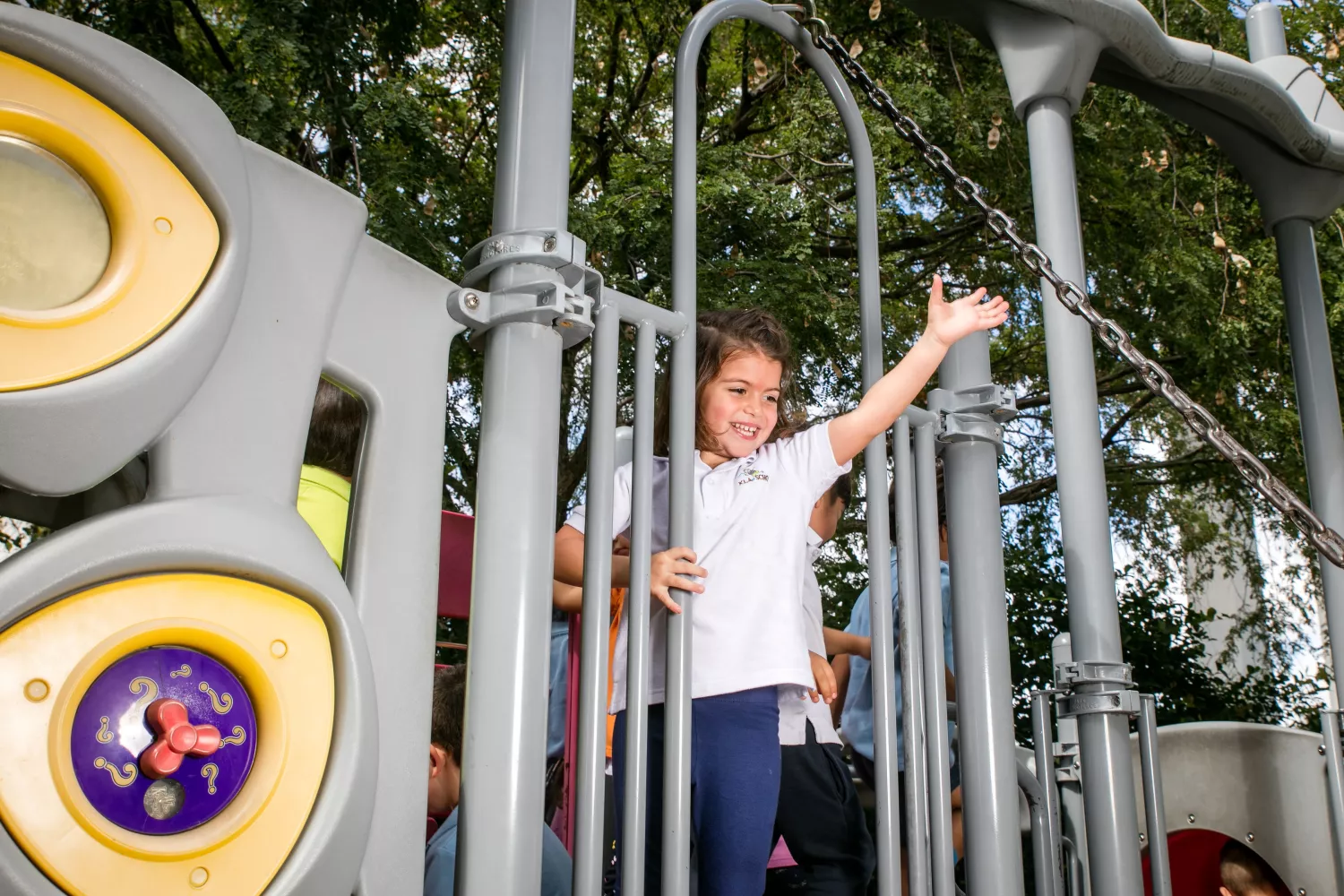
- Outdoor movement (running, climbing, kicking a ball, digging in the sand)
2. Encourage language through conversation
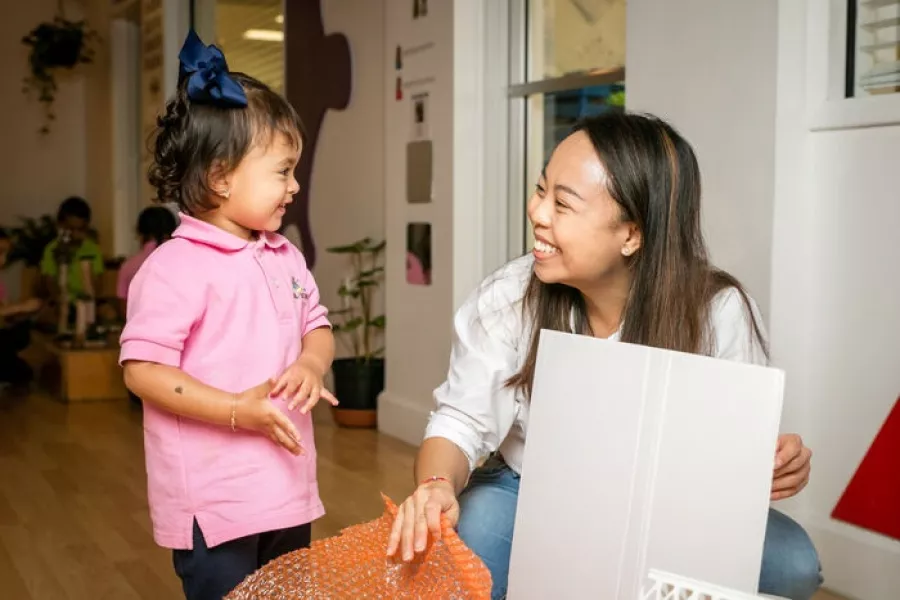
Toddlers don’t need formal lessons to build language skills, they need exposure to words all day long. One of the simplest stimulation strategies is talking to your child often, even when you’re doing routine tasks. Describe what you’re doing, name objects, and ask questions (even if they can’t answer clearly yet). You can also strengthen vocabulary by:
- Reading picture books together daily
- Singing songs with gestures and repetition
- Naming emotions
- Expanding on what they say
These small habits help toddlers understand communication, build confidence, and express themselves more easily.
3. Support independence with simple tasks
Toddlers love to feel capable. Giving them small responsibilities supports independence, coordination, and self-esteem. Tasks don’t have to be perfect, they’re meant to be practice. Try toddler-friendly activities such as:
- Putting toys in a basket
- Throwing laundry in a hamper
- Carrying napkins to the table
- Helping pour ingredients while cooking
- Choosing between two outfit options
These moments stimulate problem-solving and fine motor skills while also teaching routines and responsibility. Over time, your toddler will feel more confident taking on new challenges and participating in daily family life. This will also strengthen the skills they learn when attending preschools in Lakewood Ranch, helping to create a smoother transition into the classroom and encouraging positive habits that can be built upon each day.
4. Limit screen time and promote active engagement
Screens are everywhere, but too much screen time can reduce opportunities for real-life interaction, movement, and imaginative play, things toddlers need most. It is recommended to keep screens out of bedrooms and set clear boundaries. It also helps to create a simple media plan for your family, such as screen-free meals, screen-free playtime blocks, and consistent limits on weekdays. Instead of relying on screens for entertainment, focus on active options like reading, drawing, dancing to music, sensory play, or going for a walk. These activities encourage development in a more hands-on and meaningful way.
Healthy toddler stimulation doesn’t require a strict schedule or fancy materials. What matters most is consistent time, attention, and opportunities to explore. By focusing on play, language, independence, and balanced screen use, you can support your toddler’s development in ways that feel natural and enjoyable for the whole family. This way, what they learn during their time in the best preschools in Lakewood Ranch can be reinforced at home, helping them grow with confidence, curiosity, and strong daily routines.