What Artistic Skills Do Children Develop in Preschool or Daycare?
Topics: School Life
Age Range: Preschool
Art is an essential part of creative development in early childhood, especially in preschool and daycare settings. While it may look like simple play, art activities play a powerful role in helping young children grow and develop in multiple areas. Through painting, drawing, crafting, and creative exploration, children begin to build important artistic skills that support not only creativity, but also cognitive, emotional, and physical development. In quality preschools in Lakewood Ranch, art is not about creating perfect results, it is about the process, exploration, and self-expression. Here are some of the key artistic skills children develop and why they matter.
1. Fine Motor Skills and Coordination
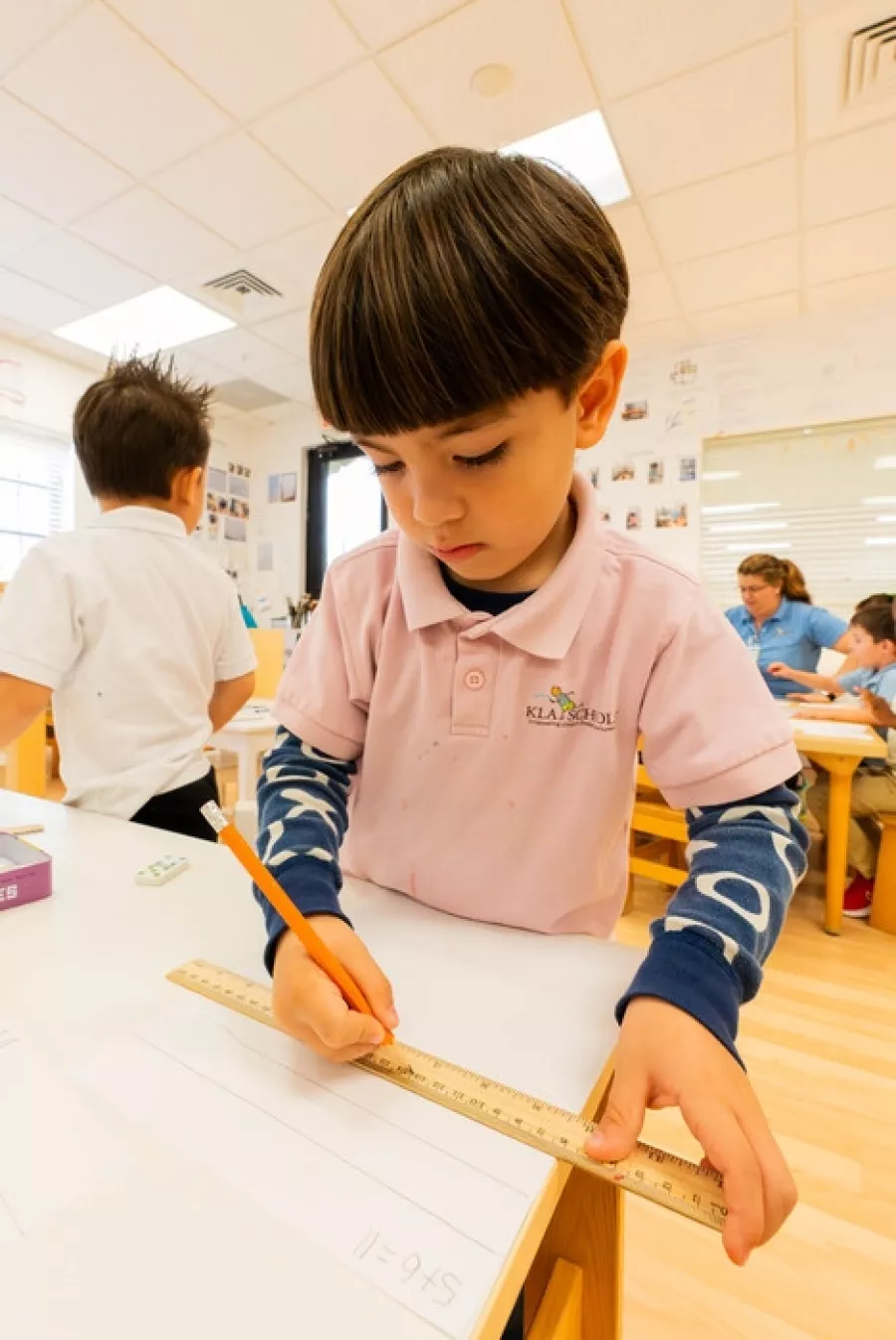
One of the most important skills children develop through art is fine motor control. Activities such as holding crayons, using scissors, painting with brushes, or manipulating playdough help strengthen the small muscles in the hands and fingers. These skills are essential for everyday tasks like writing, buttoning clothes, and tying shoes. As children practice gripping tools and making controlled movements, they improve hand-eye coordination and precision. Art provides a fun and engaging way to develop these skills without pressure, allowing children to practice naturally through play.
2. Problem-Solving and Critical Thinking
Art activities often involve decision-making and problem-solving. For example, a child may decide which colors to use, how to build a structure, or how to fix something that didn’t turn out as expected. These small challenges encourage children to think critically and try different approaches. They learn that mistakes are part of the process and that they can find solutions through experimentation. This mindset is incredibly valuable, as it teaches resilience and flexibility, skills that extend far beyond the art classroom.
3. Creativity and Self-Expression
Art gives children the opportunity to express themselves in ways that words sometimes cannot. Through colors, shapes, and textures, they can communicate their thoughts, feelings, and ideas freely. In preschool, there is no right or wrong way to create. This freedom encourages imagination and helps children strengthen creative development in early childhood. Whether they are painting a picture, building with materials, or experimenting with colors, they learn to make choices and explore new possibilities.
4. Focus and Attention to Detail
When children engage in art, they naturally practice concentration and patience. Completing a drawing, painting, or craft project requires them to focus on a task for a period of time. Over time, this helps improve attention span and the ability to follow through on activities. Children also begin to notice details, such as shapes, patterns, and colors, which strengthens their observation skills. These abilities are important for future academic learning, where focus and attention play a key role in success.
5. Sensory Exploration and Awareness
Art introduces children to a wide range of sensory experiences. From the texture of paint and clay to the visual stimulation of colors and patterns, children engage multiple senses at once. This type of exploration helps them better understand the world around them. It also supports brain development by strengthening connections between sensory input and cognitive processing. For many children, sensory art activities are not only educational but also calming and enjoyable.
Art is much more than a creative outlet, it is a powerful tool for creative development in early childhood. Through artistic activities, children who attend the top preschools build fine motor skills, express their emotions, solve problems, and develop focus and confidence. These skills lay the foundation for both academic success and personal growth. By encouraging creativity in a supportive environment, preschool programs help children discover their abilities, explore their imagination, and develop a lifelong appreciation for learning and self-expression.