Why Does Teaching Social Studies Matter in Early Childhood Development?
Topics: School Life
Age Range: Preschool
When people hear social studies, they often think of textbooks, memorizing dates, and long history lessons. However, social studies in early childhood education looks very different, and it plays a much more meaningful role than many parents realize. For young children, social studies is about understanding themselves, their relationships, and the world around them. By introducing these concepts early, educators create a strong foundation that supports both academic success and emotional development. Let's take a further look at this important subject.
What Is Social Studies in Early Childhood?
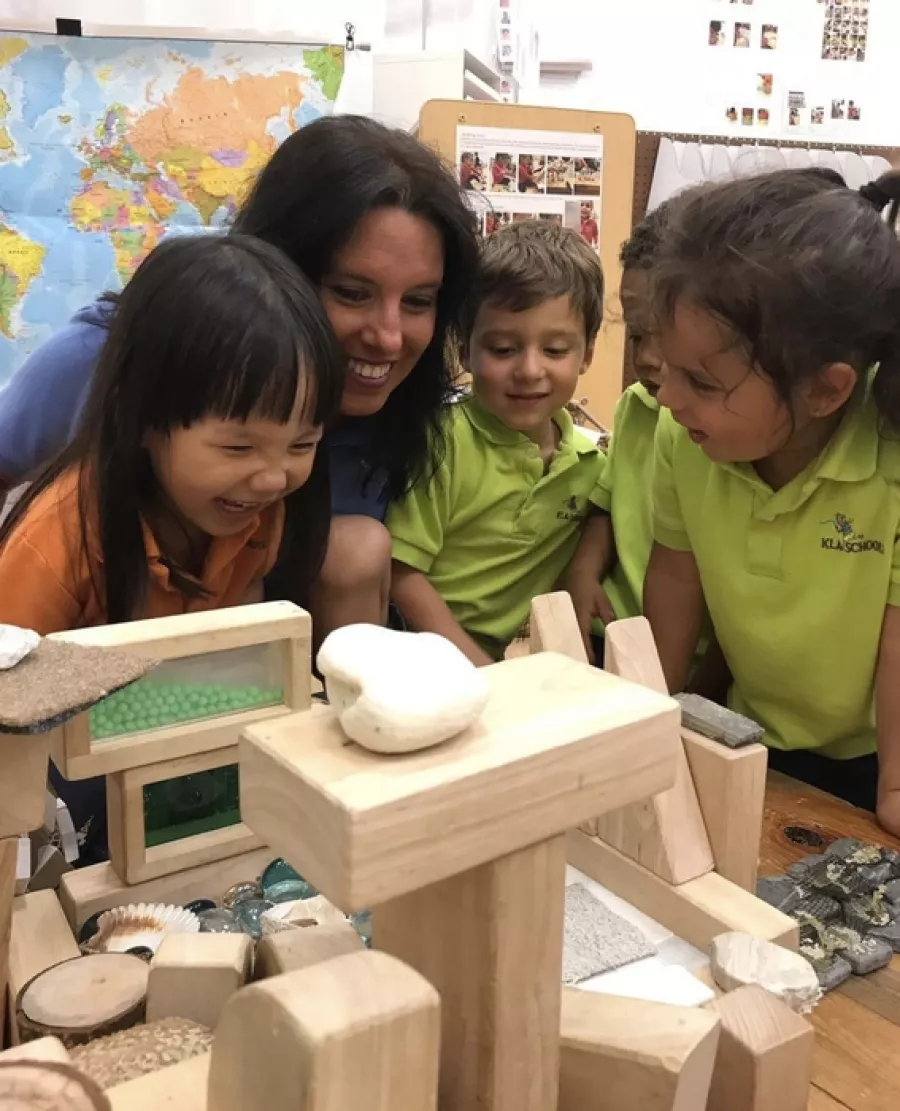
In early childhood settings, social studies focuses on helping children make sense of their environment in simple and engaging ways. It includes topics such as family, community, culture, geography, and basic history. Rather than learning from textbooks, children explore social studies through play, storytelling, and real-life interactions. For example, they might role-play different community helpers, learn about traditions from around the world, or talk about their own families and daily routines. These activities help children connect new ideas to their own experiences.
Social studies at this stage is also about building awareness. Children begin to understand that people can be different in many ways, and that those differences should be respected and celebrated. They start to recognize patterns in their environment, such as routines, roles, and relationships, which helps them feel more secure and confident.
Why Social Studies Matters for Young Children
Social studies is a vital part of the early childhood curriculum because children’s early experiences help shape their understanding of themselves, others, and the world around them. As Mardell (2011) explains, these experiences influence children’s attitudes as “citizens of their classroom, their schools, and of the larger community.” In preschool, social studies helps children begin exploring ideas about community, belonging, and participation in groups. Through everyday classroom experiences, children learn what it means to be a member of a family, a classroom, a neighborhood, and a community.
One of the most important benefits of social studies is that it helps children understand their identity and their place in the world. By learning about themselves, their families, traditions, and cultures, children develop a stronger sense of who they are. Social studies also introduces children to the people and places in their communities. Learning about neighborhoods, community helpers, maps, schools, and local environments helps children understand how communities work and how people contribute to them. In addition, social studies in early childhood encourages observation, questioning, and exploration, helping young children build early thinking and inquiry skills as they learn about the world around them.
Building Global Awareness and Lifelong Skills
Introducing social studies in early childhood also lays the foundation for global awareness and future learning. As children are exposed to different cultures, traditions, and perspectives, they begin to develop curiosity, openness, and respect for diversity. According to the National Council for the Social Studies (NCSS), social studies learning helps young children identify real-world problems and participate in creating an inclusive and caring democratic society. Through social studies, children explore social systems, relationships, and the values that shape everyday interactions. They also begin to recognize social cues and understand concepts such as fairness, inclusion, and respect in age-appropriate ways.
Social studies concepts in early childhood should connect to real-world situations that children experience in their classrooms and communities (Mindes, 2015). Topics such as neighborhoods, community roles, classroom rules, and current events help children make meaningful connections between their own experiences and the larger world around them. These learning experiences encourage children to ask questions, share ideas, and become active participants in their communities.
As you can see, social studies in early childhood is about much more than learning facts; it is about helping children understand themselves, connect with others, and make sense of the world around them. By helping children understand both themselves and others, social studies prepares them to become thoughtful, engaged, and responsible members of society. Our social studies classes introduce young learners to diverse cultures, community roles, and historical perspectives, fostering a sense of belonging and global awareness. Looking for a quality and complete educational program for your child? Contact our preschool today!