Rest to Rise
Executive Summary
Sleep isn’t just rest — it’s fuel for your child’s brain, body, and emotional well-being. During early childhood, when development occurs at a rapid pace, high-quality sleep plays a crucial role in memory, behavior, growth, and immune function. Yet in today’s fast-paced world, many families struggle to maintain healthy sleep habits.This whitepaper empowers parents with the science, risks, and practical steps needed to improve sleep in young children. Discover how a consistent sleep routine can help your child thrive academically, emotionally, and socially — setting the stage for lifelong well-being.The Science Behind RestChildren’s sleep is different from adults’ — and far more vital. Their shorter sleep cycles and longer sleep needs support brain development, learning, and physical growth.Non-REM Sleep:A balanced sleep cycle ensures children wake refreshed, focused, and ready to explore the world around them.REM
Sleep:Rapid eye movementSupports memory consolidationHelps with emotional processing and creativity
A balanced sleep cycle ensures children wake refreshed, focused, and ready to explore the world around them.
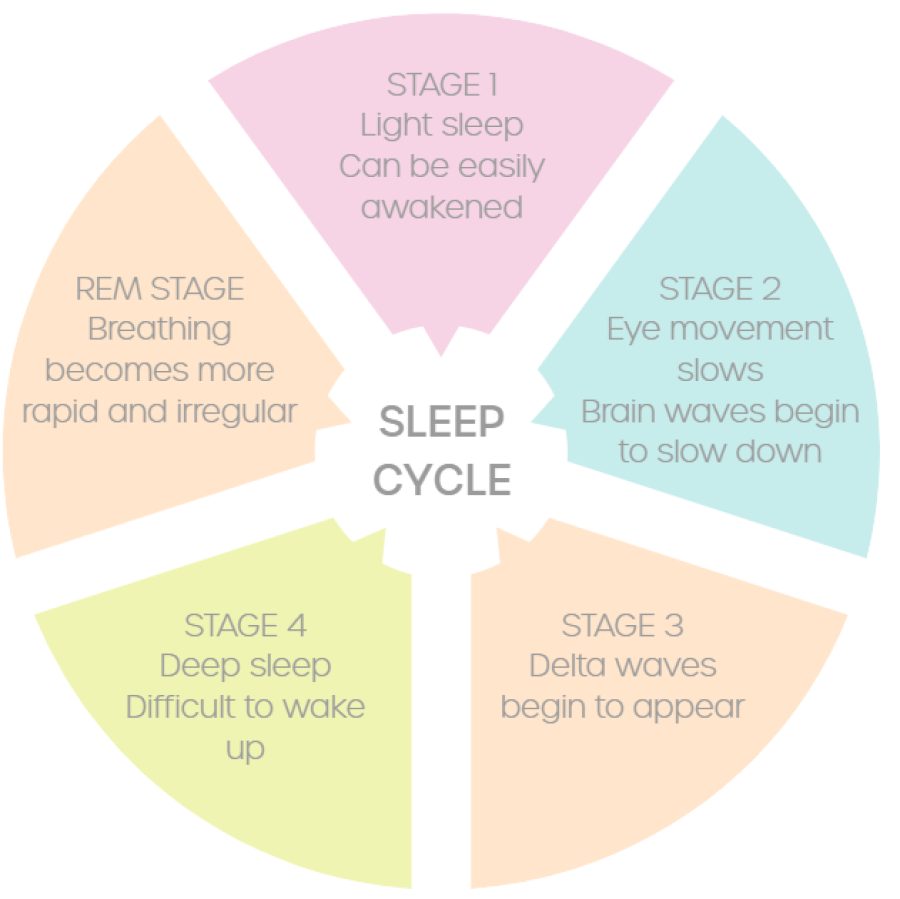
Stages of Sleep CycleRisks of Sleep Deprivation
Even a few nights of poor sleep can negatively impact a child’s behavior and school readiness. Long-term sleep deprivation leads to serious developmental risks.
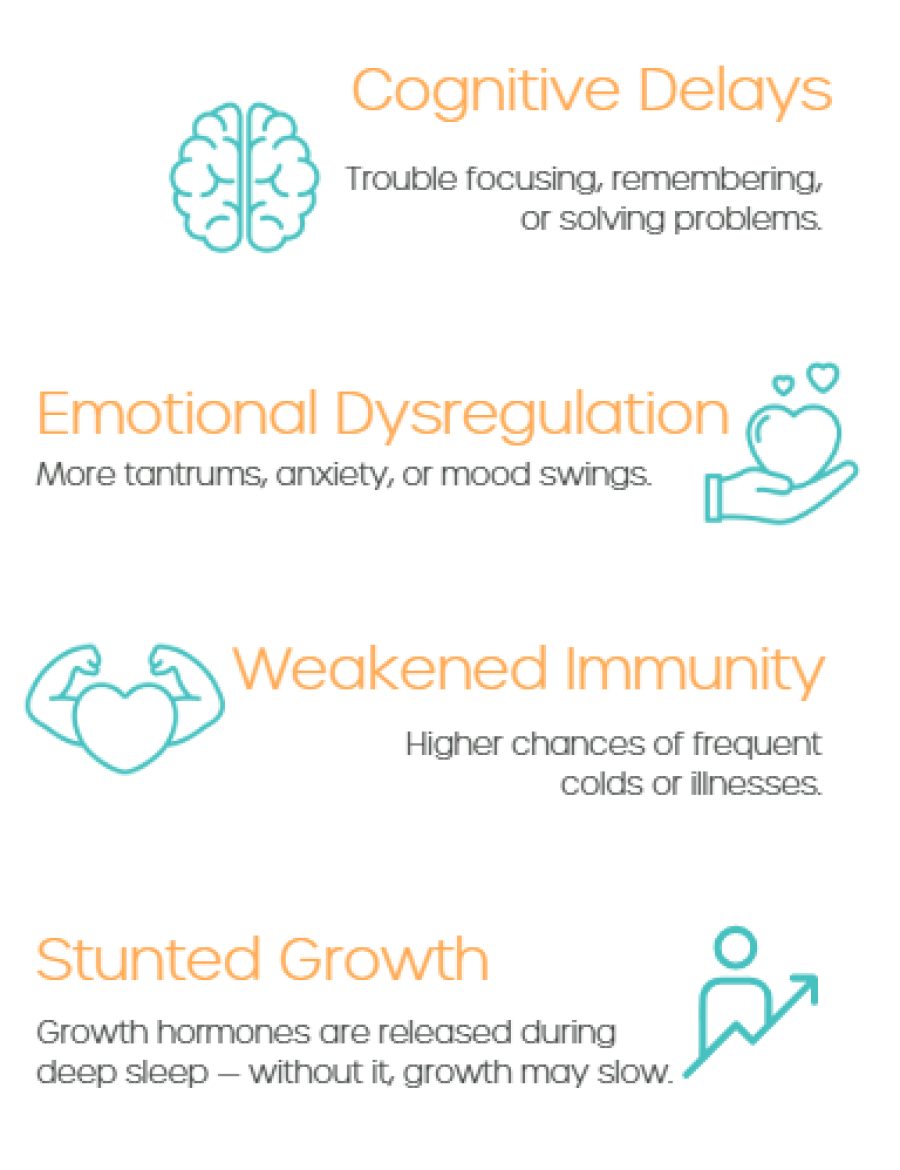
Risks of Sleep DeprivationSleep, Learning & Emotions: A Powerful Connection
Well-rested children are more focused, resilient, and confident learners. Sleep helps their brains store new information, manage emotions, and build strong peer connections.
Stronger Memory & Learning - Information sticks better after sleep.Emotional Balance - Rested children are less reactive and more adaptable.Social Readiness - Sleep supports peer interaction and self-regulation in group settings.
5 Sleep Habits
Help your child build strong, healthy sleep habits with these parent-tested strategies:
Stick to a Sleep Schedule: Set a consistent bedtime and wake time, even on weekends.
Wind Down Screen-Free: Turn off all screens at least 1 hour before bedtime.
Create a Cozy Sleep Space: Keep it cool, quiet, and dark with blackout curtains or soft white noise.
Stay Active by Day: Encourage outdoor play — sunlight boosts melatonin, a natural sleep hormone.
Use Calming Rituals: Try reading, quiet music, or gentle stretching before bed.

Sleep, Learning & Emotions: A Powerful ConnectionSleep and Resilience
Adequate sleep is essential for building and maintaining resilience, the ability to cope with stress, setbacks, and adversity. Well-rested individuals are better equipped to manage life’s challenges due to several factors:
Sleep builds resilience – it helps us better handle stress, setbacks, and challenges.
Managing stress – sleep improves emotional regulation, making it easier to stay calm during tough situations.
Boosts problem-solving – well-rested minds think more clearly and creatively.
Increases adaptability – sleep supports better decision-making and fresh perspectives.
Supports emotional control – people with enough rest are less likely to feel frustrated or angry.
Faster recovery from setbacks – good sleep helps you bounce back with a strong, positive mindset.
The KLA Connection
At KLA Schools, we believe that healthy sleep habits begin with responsive caregiving and predictable routines. From infancy through preschool, our classrooms are designed to support restorative rest in developmentally appropriate ways.
Babies (Baby Nido):Each infant’s individual sleep schedule is honored and updated daily in collaboration with parents. Teachers create a calming environment by dimming lights, playing lullabies, and offering pacifiers or sleep sacks as needed. Babies are rocked or soothed to sleep and placed safely on their backs in cribs, following safe sleep guidelines.
Toddlers (Nido & 2s):Children are given 2 to 2.5 hours of nap time each day, with gentle transitions to rest. Teachers may rub or pat backs to support sleep, and calming music helps signal wind-down time. Families provide comfort items from home, reinforcing consistency and emotional security.
Preschoolers (3s & 4s): Children are given 2 hours of rest time, but those who do not sleep can engage quietly on their cots with books, drawing materials, or soft toys. This respects each child’s evolving sleep needs while maintaining a restful space for all.
Across all age groups, daily parent communication includes sleep updates and alignment with preferred sleep schedules. This strong home-school partnership supports consistent sleep habits that extend beyond the classroom and into family routines.
References:
Books
Why We Sleep: Unlocking the Power of Sleep and Dreams - Author: Matthew Walker, Ph.D.The Sleep Revolution: Transforming Your Life, One Night at a Time - Author: Arianna HuffingtonSleep Smarter: 21 Essential Strategies to Sleep Your Way to a Better Body, Better Health, and Bigger Success - Author: Shawn StevensonThe Sleep Solution: Why Your Sleep is Broken and How to Fix It - Author: W. Chris Winter, M.D.Healthy Sleep Habits, Happy Child - Author: Dr. Marc Weissbluth
Websites
American Academy of Sleep Medicine: AASM guidelines on sleep and its role in overall health. https://aasm.org/National Sleep Foundation: Resources and studies on the importance of sleep and tips for improving sleep hygiene. https://www.sleepfoundationHarvard Medical School: Division of Sleep Medicine: Research on sleep cycles, sleep deprivation, and health risks. https://healthysleep.med.harva... for Disease Control and Prevention (CDC): Data on sleep deprivation and associated health risks. https://www.cdc.gov/sleep/inde... Institutes of Health (NIH): Studies linking sleep to mental health, cognitive function, and resilience. https://www.nih.gov/