Tips for Parents on the Transition From Home to Childcare
Executive Summary
Transitioning a child from home to a childcare environment is a significant milestone for families. This whitepaper provides practical tips and developmental insights to help parents support their child through this change. Drawing from expert research and best practices, we outline strategies that promote emotional security, social adaptability, and developmental progress.
Starting childcare is a major transition for young children and their families. It involves adapting to new people, routines, and environments. While this change can be exciting, it also presents challenges. Understanding developmental milestones and fostering social-emotional learning can ease the transition process.
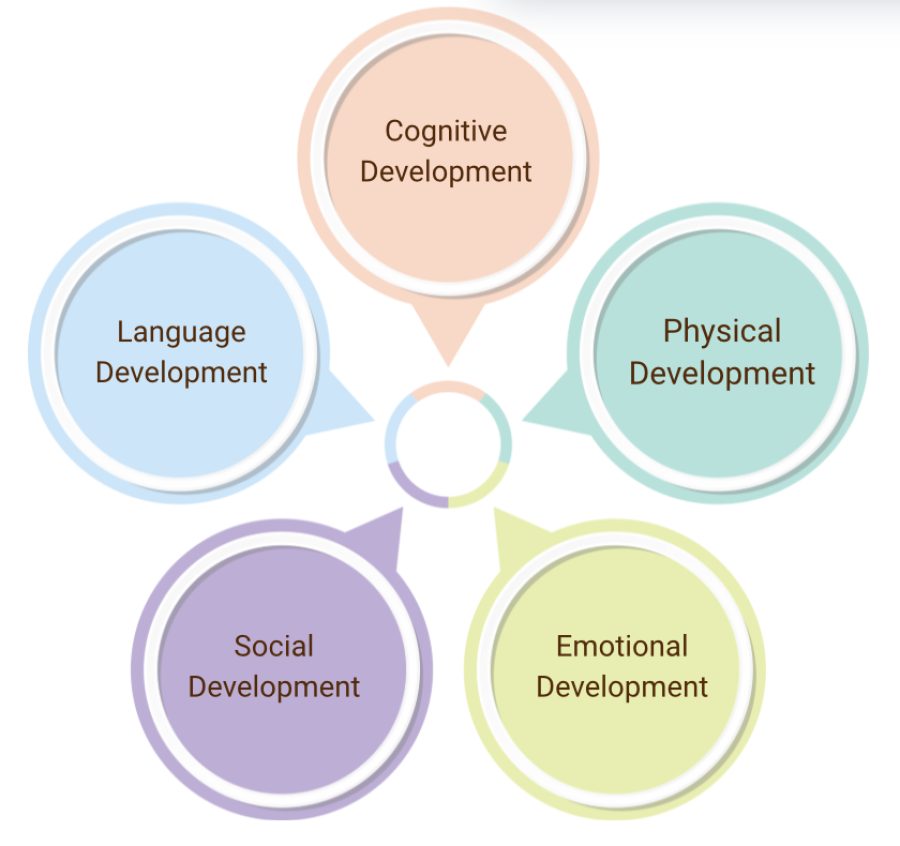
Core Areas of Development
Each age group’s developmental milestones connect directly to how parents can ease their child’s adjustment to childcare. Here’s how parents can use these milestones to support transitions:
Supporting a child's development during the transition requires understanding key developmental milestones.
“The early years are not preparation for life, they are life.” - Loris Malaguzzi (Founder of Reggio Emilia Approach)
6 Months to 12 Months
Why It Matters for Childcare Transitions?
Understanding motor and sensory development helps parents prepare their child for exploring a new environment.
Physical Development
Milestone: Sitting without support, crawling, and standing with assistance.
Example: Provide floor time with toys placed slightly out of reach to encourage crawling, helping children explore new childcare settings confidently.
Cognitive Development
Milestone: Recognizing familiar faces and responding to their name.
Example: Share photos of caregivers with your child before starting childcare to build recognition and reduce anxiety.
Language Development
Milestone: Babbling with an increasing variety of sounds.
Example: Talk about the childcare routine using your child’s name to create familiarity with new environments.
Social Development
Milestone: Showing preference for familiar caregivers.
Example: Gradually introduce your child to childcare providers to create trust and ease separation anxiety.
Emotional Development
Milestone: Expressing happiness through laughter and showing distress when separated.
Example: Use consistent drop-off routines and reassuring words to build emotional security.
12 Months to 2 Years
Why It Matters for Childcare Transitions?
Developing independence and curiosity enables smoother adjustment in group care settings.
Physical Development
Milestone: Walking independently, climbing, and beginning to run.
Example: Encourage safe exploration at home to build confidence in navigating new spaces.
Cognitive Development
Milestone: Understanding cause-and-effect relationships.
Example: Use simple cause-effect games like pop-up toys to promote curiosity and learning in new settings.
Language Development
Milestone: Saying simple words like "mama" and "dada."
Example: Teach simple words relevant to childcare, like "teacher," "play," and "friend."
Social Development
Milestone: Parallel play alongside other children.
Example: Arrange playdates to help your child practice being around peers.
Emotional Development
Milestone: Displaying temper tantrums due to limited emotional regulation.
Example: Teach coping words like "breathe" or "calm" to reduce outbursts during transitions.
2 - 3 Years
Why It Matters for Childcare Transitions?
Social and emotional skills become essential as children start forming friendships.
Physical Development
Milestone: Running, jumping, and beginning to climb stairs.
Example: Encourage outdoor play to build strength and stamina for childcare activities.
Cognitive Development
Milestone: Beginning pretend play and using imagination.
Example: Role-play school routines like "circle time" to familiarize your child with daily activities.
Language Development
Milestone: Using two- to three-word sentences.
Example: Prompt your child to express their needs using short sentences like "I want toy" or "Help me."
Social Development
Milestone: Playing cooperatively in small groups.
Example: Encourage cooperative games at home to teach sharing and taking turns.
Emotional Development
Milestone: Demonstrating increased independence.
Example: Let your child choose their backpack or outfit to promote independence before starting childcare.
3 - 4 Years
Why It Matters for Childcare Transitions?
Children gain problem-solving, self-regulation, and collaboration skills critical for thriving in group environments.
Physical Development
Milestone: Improving coordination and balance.
Example: Encourage activities like jumping games or obstacle courses to build coordination.
Cognitive Development
Milestone: Solving simple puzzles and following multi-step instructions.
Example: Practice following two-step directions like "Get your shoes and put them on."
Language Development
Milestone: Speaking in full sentences and asking many questions.
Example: Read books about starting school and discuss what to expect.
Social Development
Milestone: Making friends and taking turns.
Example: Model turn-taking and sharing during family games.
Emotional Development
Milestone: Recognizing and naming basic emotions.
Example: Use picture books or emotion cards to help your child label and express feeling
Social-Emotional Learning
Social-emotional learning is vital for a smooth transition into childcare. Here are actionable tips for parents:
Visit the childcare center with your child before their first day.
Practice the daily childcare routine at home.
Ask your child about their feelings and validate their emotions.
Demonstrate kindness, patience, and understanding.
The KLA Connection
Turning Transitions Into Growth Opportunities
At KLA Schools, we recognize that the transition from home to preschool is one of the most important steps for both children and families. To make this experience smooth and nurturing:
Gradual Integration:
We encourage families to visit our classrooms before the first day, helping children build familiarity and comfort with teachers and peers.
Consistent Routines:
Our educators partner with parents to establish predictable daily schedules that give children a sense of security.
Family Collaboration:
Parents are invited to share important routines, comfort items, and communication preferences so we can mirror home practices where possible.
Social-Emotional Focus:
Teachers use strategies such as emotion cards, storytelling, and mindful separation rituals to help children name feelings and adjust with confidence.
Warm Partnerships:
Families are always welcome to connect with teachers, ask questions, and participate in the school community, ensuring transitions feel like a shared journey.
By combining developmental insight with a Reggio-inspired environment, KLA Schools helps children feel secure, confident, and ready to thrive from their very first day.
Conclusion
Transitions can be challenging, but with preparation and supportive strategies, families can make the move from home to childcare a positive experience. By understanding developmental milestones and fostering social-emotional learning, parents can help their children thrive in their new environment.
Recommended Resources
Books:
The Kissing Hand by Audrey Penn
Llama Llama Misses Mama by Anna Dewdney
Owl Babies by Martin Waddell
Websites:
Trying Together
West Virginia Department of Health and Human Resources
Science Daily Childcare Research
References
Early Childhood Transitions: Supporting Children and Families (PDF)
Trying Together. "Transition to Child Care."
West Virginia Department of Health and Human Resources. "Making the Transition into Care."
Science Daily. "New Insights into Early Childcare Transitions."